 2 months Ago
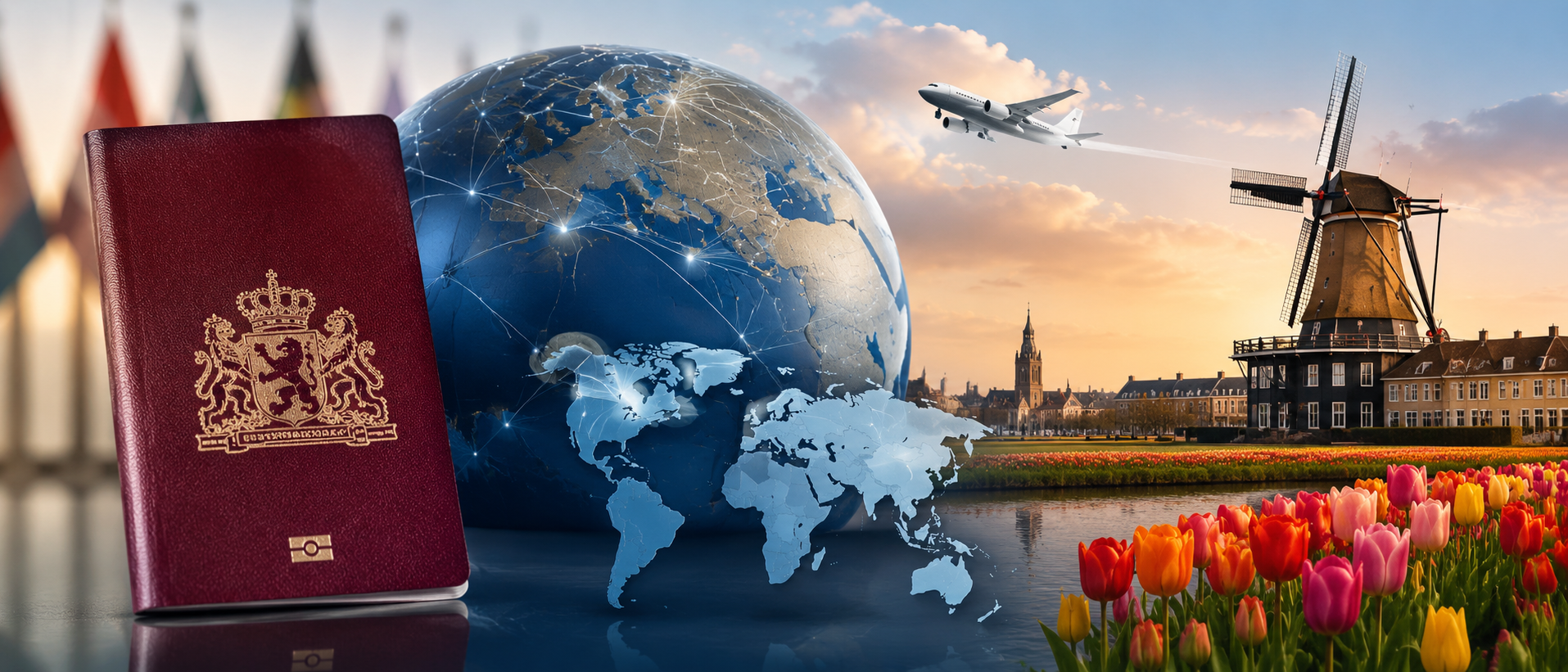
This ranking is built around what's called a mobility score, which essentially measures how freely a passport holder can travel. It looks at the number of destinations someone can enter without a visa, through visa-on-arrival access, via an electronic travel authorization, or through an eVisa that gets processed within three days.
What the Numbers Show
Dutch citizens can currently travel to 131 countries without needing a visa beforehand. On top of that, they can pick up a visa on arrival in another 43 nations. There are still 24 countries, though, where a full traditional visa remains necessary before departure.
Rankings like these rarely stay fixed for long, and this year is no exception. The United States, for instance, has slipped to ninth place, a notable drop for a passport that once sat much higher. Meanwhile, the United Arab Emirates has taken the top spot globally.
At the opposite end of the scale sits Afghanistan, ranked last at 96th place. Afghan passport holders can only enter three countries visa-free, and more than a hundred destinations require lengthy visa processes before they can even plan a trip. Iraq, Syria, Somalia, and Pakistan also find themselves clustered near the bottom of the list.
The Hospitality Paradox
One of the more interesting patterns to emerge from this year's data is what could be described as a hospitality paradox. Countries like the United States, Canada, Australia, and New Zealand give their own citizens impressive travel freedom, yet these same nations tend to keep fairly tight restrictions on who can enter their borders.
Flip that around, though, and you get the opposite story. Nations such as South Sudan, Nigeria, and the Democratic Republic of Congo are quite welcoming to foreign visitors, allowing easy entry. Yet their own citizens face visa requirements almost everywhere they try to go.
Small island nations have also been quietly climbing the rankings, largely by signing visa-free agreements with developing countries. Since these nations have such small populations, they're rarely seen as posing any kind of security threat. There's also an ethical dimension at play here, with some governments pointing to a moral obligation to support island nations that have been hit hardest by climate change.