 2 hours Ago
What the Court Found
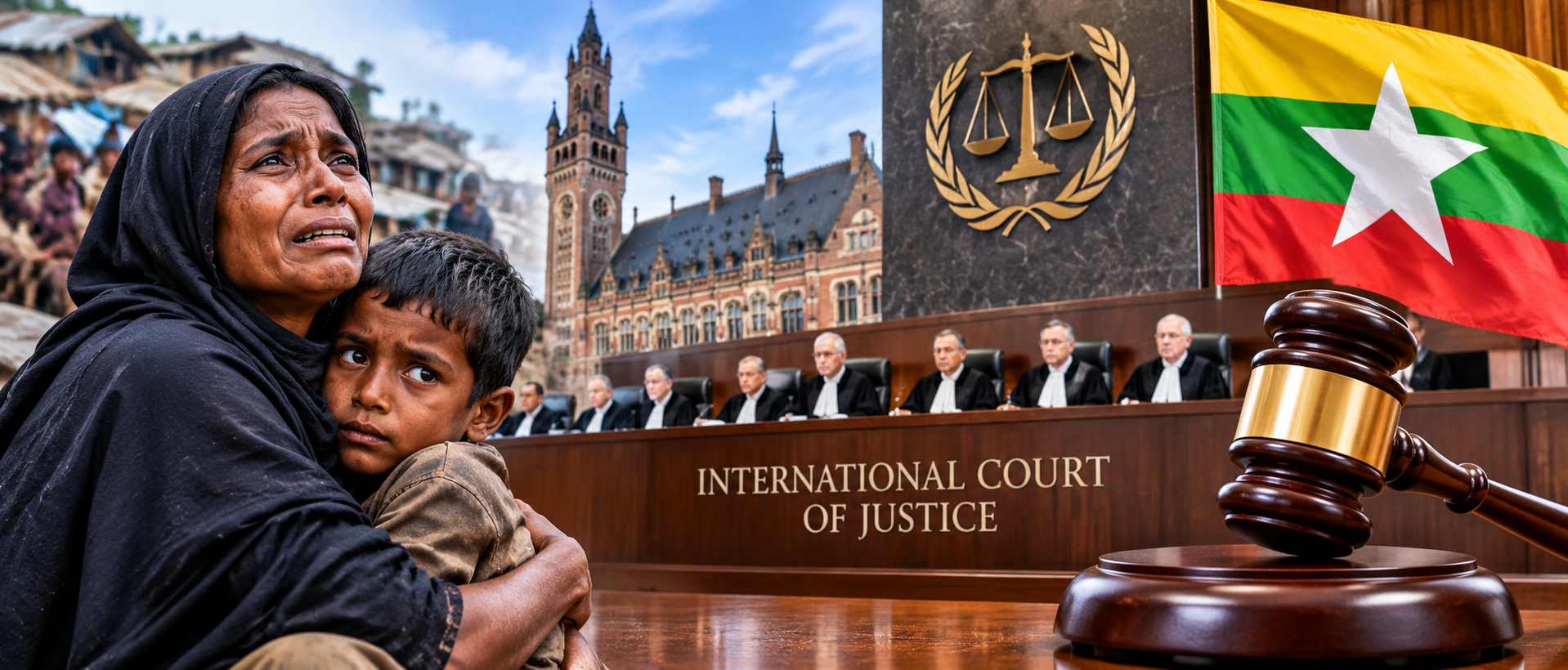
The judges described the events of 2017 as a large military push that uprooted Rohingya communities on a massive scale. Myanmar's security forces carried out indiscriminate killings and committed sexual violence. They also burned Rohingya homes on purpose, the court said.
The Genocide Convention bans countries from killing members of an ethnic group or causing them serious physical or mental harm. It also forbids deliberately creating living conditions meant to destroy a group, blocking births within it, and forcibly taking children from their parents. According to the court, Myanmar was responsible for several of these acts, not just one.
What Myanmar Must Do Now
The court told Myanmar to stop any further violations immediately. It must also take quick and effective steps to investigate everyone suspected of a role in the genocide, and prosecute them where the evidence supports it. On top of that, Myanmar has to pass laws that make sure such crimes never happen again.
The judges also ordered restitution in the interest of the Rohingya. That means allowing displaced people to return to their homes safely, willingly and with dignity, and reuniting separated families. This applies whether people were displaced inside Myanmar or abroad. Myanmar must also compensate the Rohingya as a group, and its individual members, for the harm they suffered.
How much Myanmar will pay, and what other reparations will follow, will be decided in a later phase of the case. The ruling is final and binding. The court, however, has very limited ways to enforce it.
Background and Reactions
Myanmar is a mostly Buddhist country, and the 2017 operation targeted the Rohingya, a Muslim minority. Its security forces drove about 730,000 people into Bangladesh. They razed villages and carried out mass rapes and executions. The United Nations called it a textbook example of ethnic cleansing. Today, around 1.2 million Rohingya live in tent camps in southeastern Bangladesh, in dire conditions.
Human rights groups welcomed the verdict. Maria Elena Vignoli of Human Rights Watch said it is a long-awaited acknowledgment of what the Rohingya have suffered under Myanmar's military. She added that it sets an important precedent for genocide victims seeking justice around the world.
Agnes Callamard, Secretary General of Amnesty International, called the ruling historic. In her view, it follows years of denial, impunity and suppression of the truth, and offers a rare moment of justice for survivors and their families. She also pointed to the court's view that genocidal intent can exist alongside other goals, including military ones. That, she said, matters for other pending ICJ cases, such as South Africa's case against Israel over alleged genocide against Palestinians in Gaza.