 23 minutes Ago
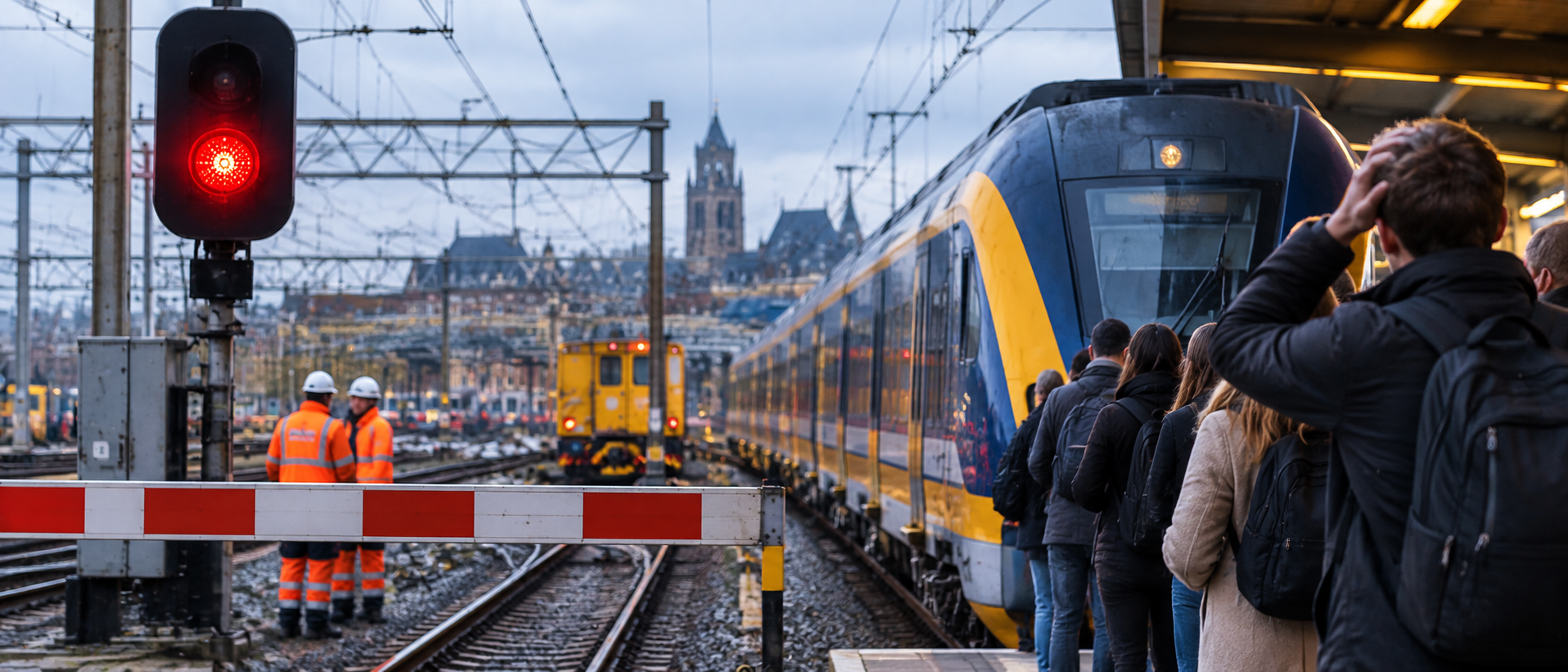
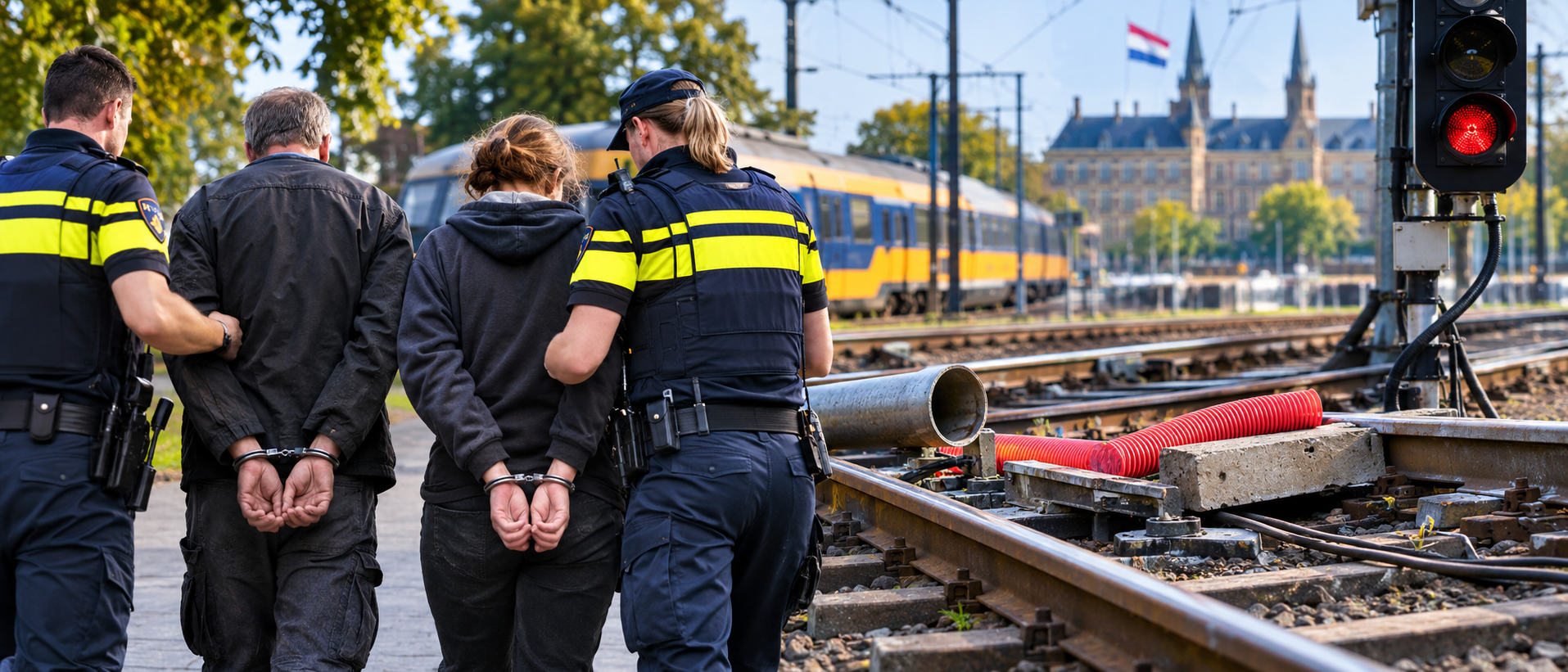
Whoever was behind it attached pipes, tubes, and other debris to sections of track, which interfered with rail switches. Signal lights were also tricked into showing red. The result was that large parts of the railway across the central, eastern, and northern regions of the country came to a standstill.
Who Was Detained and What Police Say
The suspects are a 49-year-old man and a 41-year-old woman, both from the province of Drenthe. According to police, they are suspected of passing on information at a meeting about how a disruption like the one on September 15 could be carried out on the railway.
Police have not said how the pair were identified. They did say that the domestic intelligence service AIVD helped out when the case first began. Both suspects were let go after questioning, but they remain under suspicion. Investigators admitted they don't yet have enough evidence to bring them before an examining magistrate, who would decide whether they could be held for up to two weeks before an arraignment at a district court.
From the start, experts believed the people responsible knew the rail system well. Jorn Pruntel of railway contractor ASSET Rail said the job was done with great skill and needed plenty of specialist knowledge. He added that those involved most likely wanted to cripple the network on purpose. Mirjam van Velthuizen, CEO of rail management firm ProRail, made a similar point soon after the incident, saying the culprits knew exactly where to go and that the plan was clearly thought out. The night before Prinsjesdag, she had warned that objects left on the tracks could cause derailments.
A Complex Case With Many Questions Still Open
Police have stayed quiet about the motive. They haven't said whether a foreign state or a terrorist act might be behind it. Some analysts, though, have suggested a political angle, pointing to a faction within the farming community that supports violence and sabotage to influence government decisions on nitrogen emissions and environmental protection.
Mark van den Oever, the frontman of the radical group Farmers Defense Force (FDF), said at the time that he wouldn't be shocked if some farmers were involved. Protests by farmers that day also included arson and vandalism. He said the farmers were demonstrating, but nobody was listening. His group never claimed the rail sabotage. Still, a message did circulate among members of various farming groups, urging them to wipe any potentially incriminating messages, photos, and videos from their phones. The left-wing group Extinction Rebellion, meanwhile, owned up to vandalism near the Prinsjesdag ceremony route in The Hague. It denied any role in the railway incidents or in the arsons on highway shoulders and viaducts.
The sheer scale of the case makes things harder. Police describe a complex investigation covering dozens of crime scenes. ProRail found debris interfering with tracks, switches, and signals in 30 different spots soon after the incident. A spokesperson said patrols would be stepped up, but pointed out that the company has 7,000 kilometers of track it simply cannot guard.
Police are also still searching for the driver of a station wagon or similar vehicle. It was seen driving over a speed bump on Griendtsveenseweg in Deurne just before 3:30 a.m. on the day of the sabotage.
Investigators say they have used all the necessary resources over the past two months, yet they still need more information about who was involved and why. Anyone who knows something, including details about early conversations or preparations for the plot, is urged to come forward. The anonymous tip line is 0800-7000 within the Netherlands, or +31 800 7000 from abroad. The regular tip line is 0800-6070, or +31 79345 9800 from outside the country.