 1 month Ago
Old Promises, Little Progress
One of the report's central points is that none of this is groundbreaking. The team notes that agreements on tackling fireworks, along with a detailed action plan, were already put together back in 2018. Yet looking at where things stand now, the panel admits that very little of that plan actually got carried out. Good intentions alone weren't enough, they say, and the various parties involved simply didn't push each other hard enough to follow through. The cultural change many had hoped to see among fans never really took hold either.
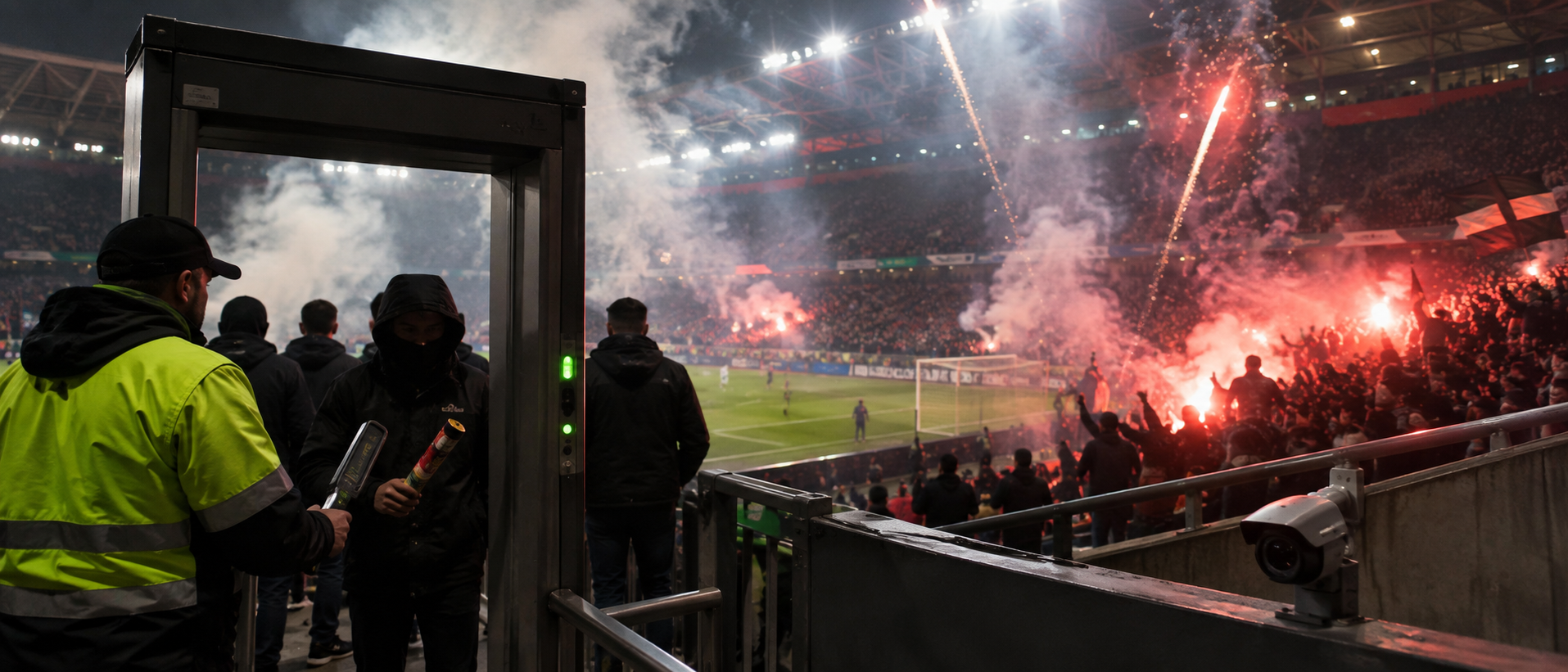
Identifying troublemakers remains another sticking point. The report singles out face coverings, balaclavas included, along with large cloths and banners, as major obstacles that make it far too easy for offenders to stay anonymous and avoid consequences.
Why the Report Landed Now
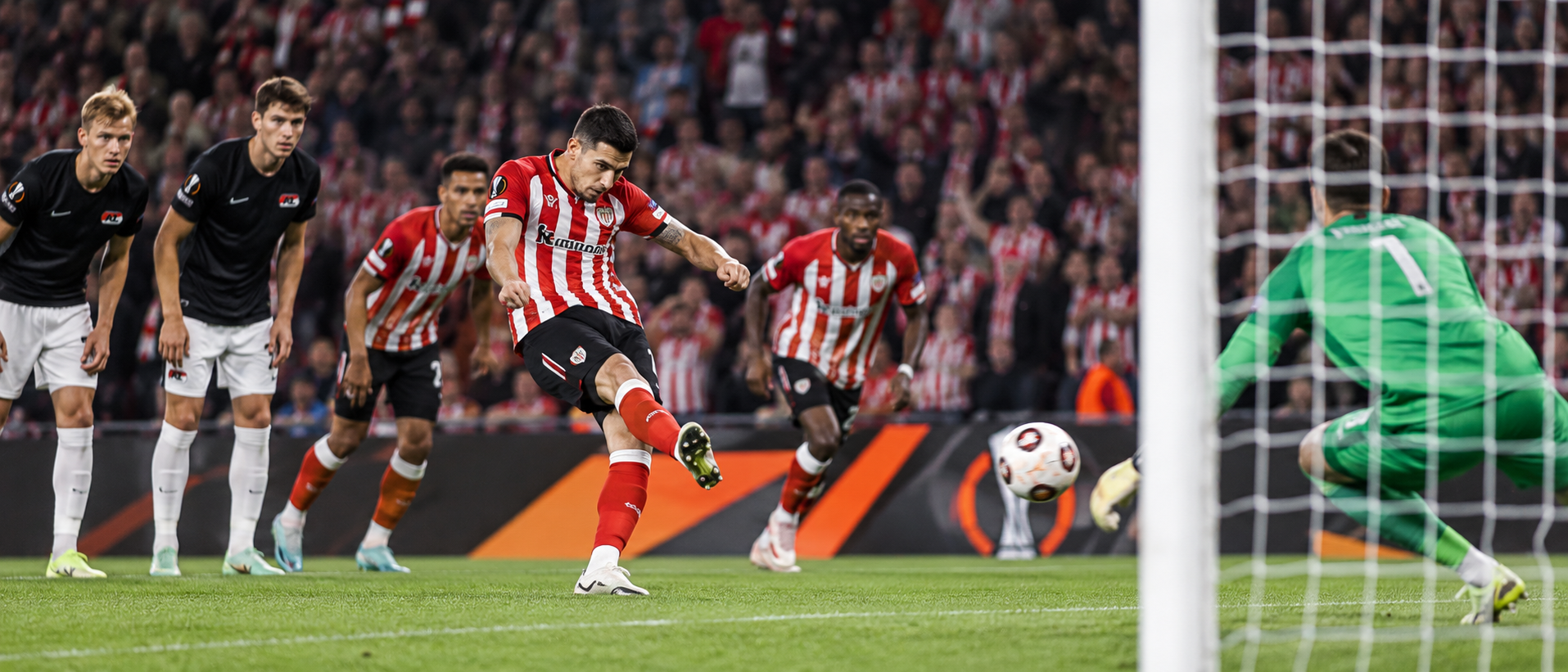
Interestingly, this report was finished back in July. Criminologist Henk Ferwerda explained that its release was delayed because of the political summer break in The Hague. But the timing shifted after violence broke out involving fireworks during the SC Cambuur–Feyenoord match on Sunday, an incident that left seven people hurt. Ferwerda described the scenes from that match as genuinely alarming, adding that it captured exactly the kind of problem the investigation had set out to examine.
The audit team itself is made up of a mix of current and former officials, drawn from municipalities, police forces, and football clubs. In their view, fireworks use at professional matches has become what they call a stubborn, deep-rooted issue. They also flagged something broader: many supporters who set off fireworks tend to cause trouble in other ways too, and not just on match days. This, they argue, points to a wider societal pattern rather than a problem confined to football alone.
A Cautious Look at Alternatives
The report doesn't shy away from more contentious ideas either. It notes that Norway and Belgium have started allowing fireworks at matches under specific, controlled conditions. For the Netherlands, though, the audit team believes there's only limited scope to try something similar. An upcoming nationwide fireworks ban, they add, will likely shrink that space even further. And even if such measures were introduced, the team doubts that ultra and hardcore fan groups would be willing to follow any regulated approach.