 3 months Ago
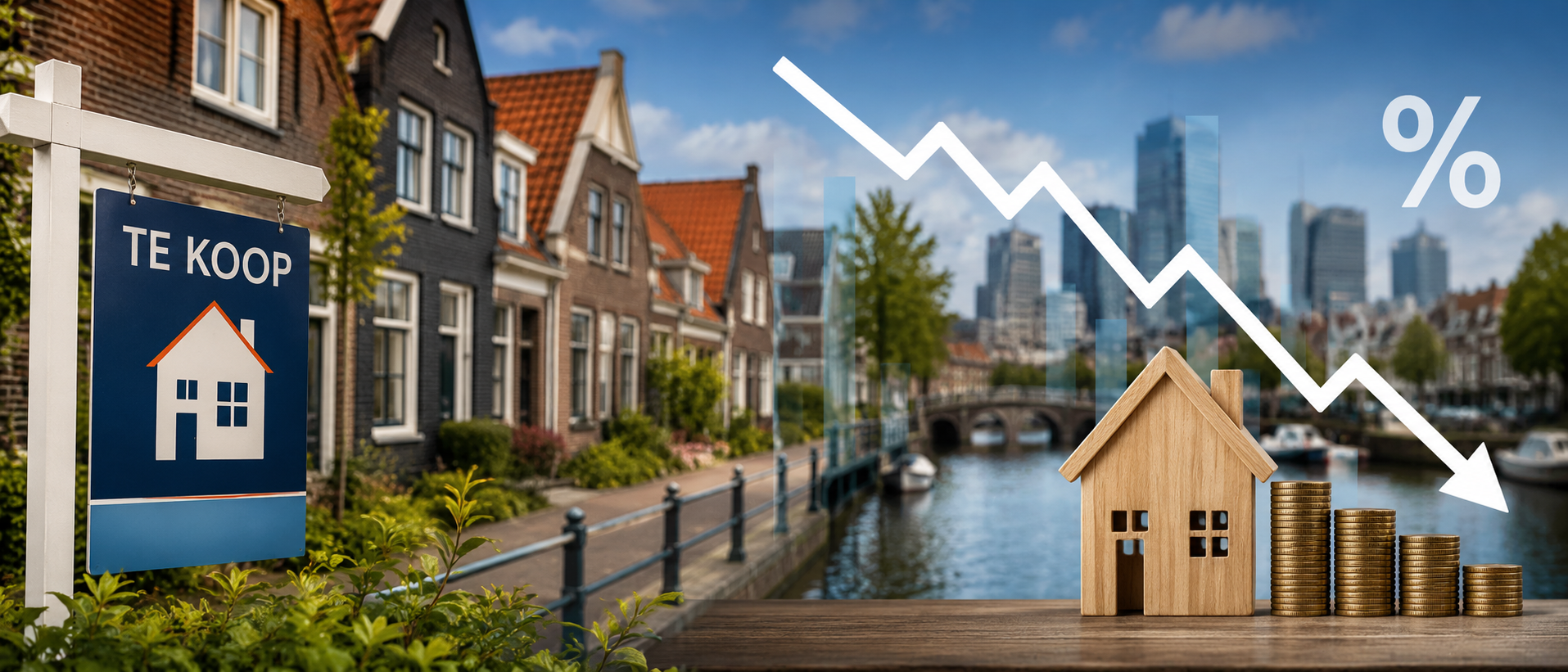
Looking ahead, home prices are still expected to rise, just not as dramatically as before. Forecasts point to a 3 percent increase in 2026, followed by a slightly bigger jump of 4 percent in 2027. The reasoning is straightforward: with fewer buyers in the market and borrowing costs higher, there's simply less pressure pushing prices upward.
Borrowers Feel the Squeeze
Since early 2025, mortgage rates have been on a steady climb, which means buyers can no longer borrow as much as they used to. This has hit first-time buyers particularly hard, since many were already stretching their budgets to the limit. With less room to maneuver, they're finding it much tougher to absorb rising prices when their mortgage capacity has shrunk.
Wage growth is expected to continue over the next two years, but it won't be enough to make up for the higher cost of borrowing. Add in a dose of economic uncertainty, and people are understandably more hesitant to dip into their savings for something as big as a house. Households, in short, are playing it safe when it comes to major spending decisions.
A Closer Look at the Numbers
Mortgage applications overall fell by 3 percent year-on-year in the second quarter, with the steepest drops coming from renovations, refinancing, and sustainability-related loans. Applications specifically for buying a home held steady, but that stability came from an unexpected source: young first-time buyers under 25 and existing homeowners under 35 picked up the slack, while every other age group saw declines.
Buyers under 25 are actually thriving right now, thanks largely to landlords offloading cheaper rental properties as a result of tighter regulations and tax changes. This group saw mortgage applications nearly double, jumping 96 percent compared to last year. Things looked different for the 25-to-35 bracket, though, where applications for home purchases slipped by 2 percent overall. Within that age group, first-time buyers filed 7 percent fewer applications, while those moving up to bigger homes saw a 17 percent increase.
Even though home prices have climbed 4 percent over the past year, the broader slowdown has been building for a while now. The average mortgage size in the second quarter came in at €365,850, just 1 percent higher than the year before, a sign that the rapid growth of previous years is fading.
Despite the cooling trend, nobody expects prices to actually fall anytime soon. The country's persistent housing shortage means demand will keep outpacing supply, even if fewer people are actively applying for mortgages. Higher rates may be putting the brakes on demand, but scarcity is still keeping homes expensive.