 2 months Ago
Brent Crude Drops Below 82 Euros
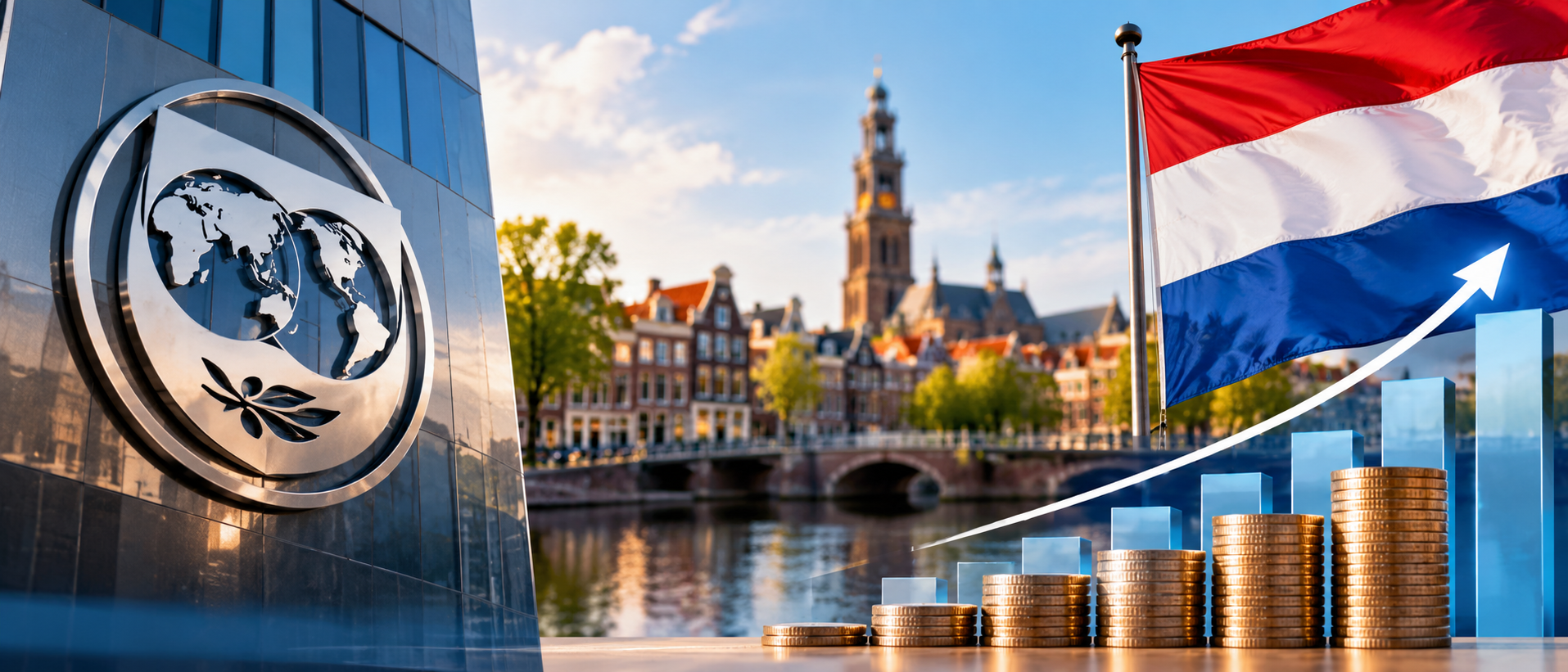
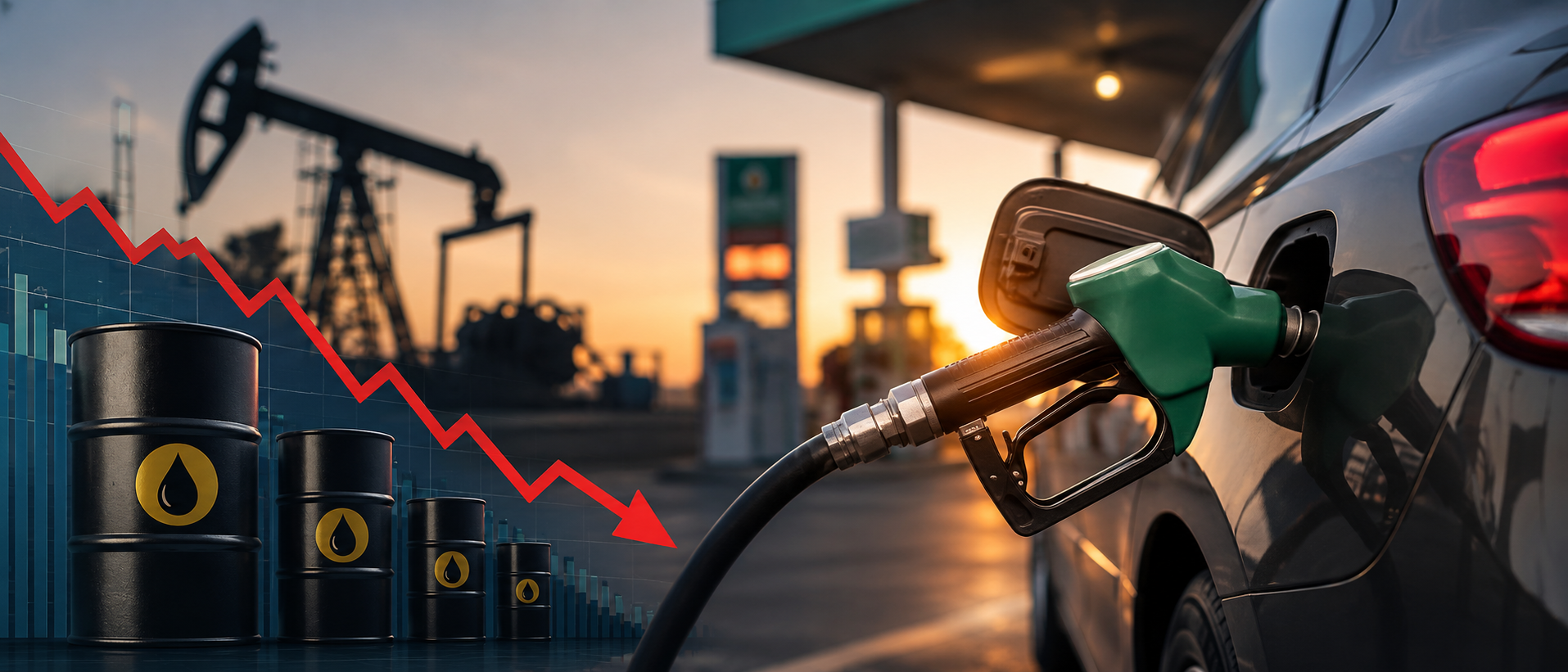
A barrel of Brent crude, the benchmark used across Europe, fell to just over 81 euros on Monday. That's a noticeable drop from the previous week, when the same barrel was trading above 88 euros. Markets often need a little time to catch up with these swings, and fuel prices are no exception — pump prices usually take a few days to reflect what's happening in the oil markets.
Adding to the shift, the euro also strengthened slightly, gaining 0.3 percent against the US dollar. Since oil is priced and traded in dollars worldwide, a weaker dollar tends to work in Europe's favor, making crude a bit cheaper for buyers on this side of the Atlantic.
Highway Fuel Prices Still Near Record Highs
Despite the drop in crude prices, the advisory price for gasoline sold along Dutch highways stood at 2.634 euros per liter on Monday, based on figures tracked by a consumer pricing organization. That's just 1.2 cents shy of the all-time high of 2.646 euros, which was recorded back in early May.
Fuel costs have been climbing steadily since late February, when conflict broke out involving Iran, pushing prices upward for months. Now, with tensions easing, drivers are hoping the trend finally starts moving in the other direction.
What Triggered the Turnaround
The de-escalation began Friday, when the United States called off its bombing campaign against Iran after roughly two weeks of continuous strikes. Iran responded Sunday by announcing it would halt any retaliatory action going forward, effectively bringing a tense chapter to a close, at least for now.
Even so, the situation remains delicate. Just last week, analysts were cautioning that global trade routes and oil supplies still faced real risks, especially as shipping companies grew more cautious about which routes to use. Tensions near the Bab el-Mandeb Strait in the Red Sea added to those worries, with Houthi rebels from Yemen targeting vessels heading toward Saudi ports. Whether the current calm holds will likely determine if Dutch drivers actually see cheaper fuel in the coming days, or if this turns out to be a brief pause before prices climb again.