 3 months Ago
From that point on, every unit of electricity drawn from the grid will incur full tax and standard retail pricing, while power sent back out will earn only limited compensation. According to industry voices, the real-world effects of this shift will show up mostly in how people run their homes and which energy contracts they choose to sign.
Why the Savings Will Shrink, Not Disappear
Michiel van der Linden, who works for energy supplier Vandebron, explained that the math behind owning solar panels is about to change in a noticeable way. He noted that panel owners will end up paying more once the net metering system disappears, since energy tax and VAT will apply to everything they consume. That said, he was quick to point out that households without solar panels will still typically face steeper annual bills than those with panels installed. The advantage isn't vanishing entirely, he said, just becoming more modest than it currently is.
Rethinking Daily Routines Around Sunlight
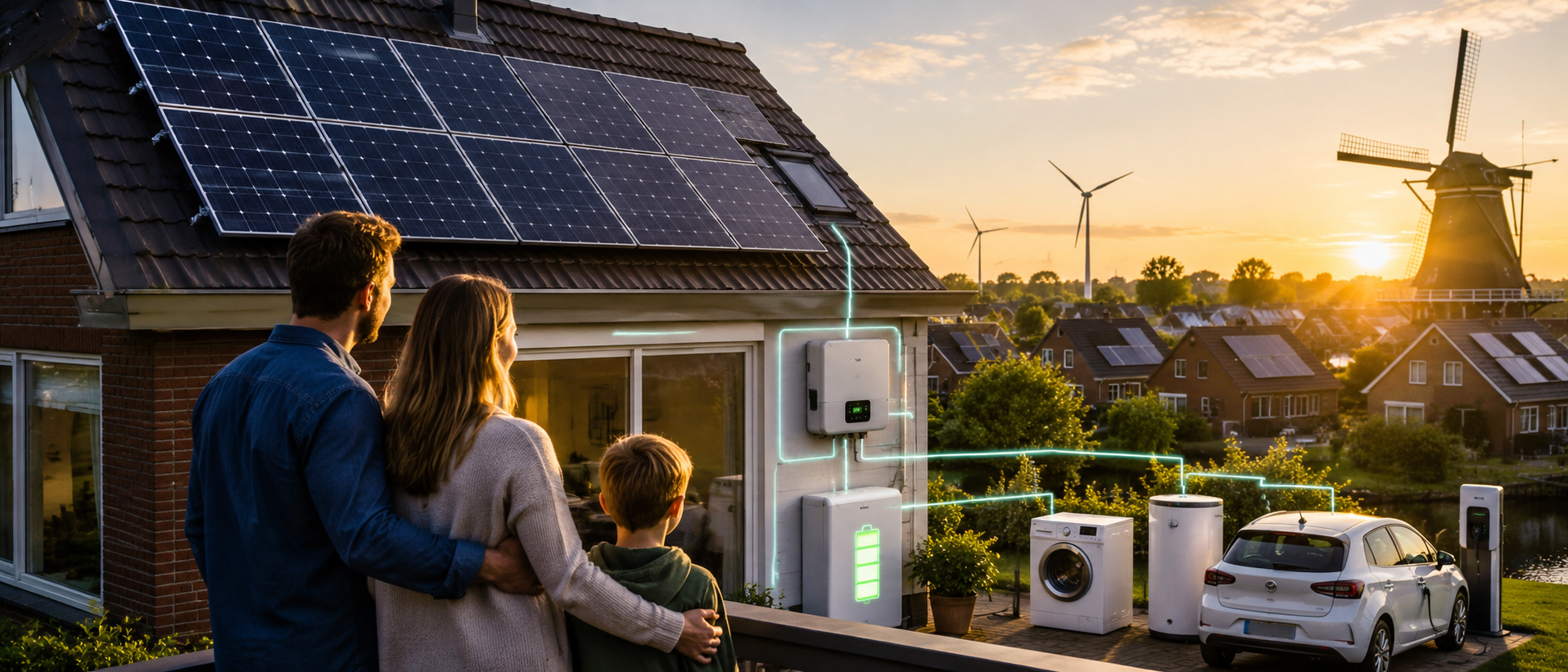
So what should homeowners actually do differently? According to experts, the smartest move is syncing household electricity use with the hours when solar panels are producing the most power. That means running the dishwasher, washing machine, dryer, or water heater during sunny stretches of the day, and charging an electric vehicle around midday whenever possible.
Of course, plenty of people simply aren't home during those peak hours, which is why automation is expected to play a bigger role going forward. Timers, smart plugs, and programmable charging setups can help households capture solar energy even when nobody's around to flip a switch manually. The underlying logic is simple: any electricity used straight from the rooftop panels is electricity that doesn't need to be bought from the grid.
Exporting Power Becomes Less Worthwhile
Once net metering ends, sending electricity back to the grid will no longer pay off the way it used to. Even though suppliers are required to offer at least half the wholesale electricity price through fixed and variable contracts until 2030, additional feed-in charges could shrink actual earnings to under 1 euro cent per kilowatt-hour.
Things get trickier for those on dynamic contracts, where export income will swing more dramatically and can even dip into negative territory on especially sunny days when wholesale prices drop. Still, experts caution against simply switching off solar systems whenever prices go negative. Grid electricity remains pricier overall thanks to taxes, fees, and VAT, so using your own solar power can still make financial sense even in those moments.
Homeowners are also encouraged to take a closer look at how their systems are set up. Certain inverters allow output to be scaled back when exporting stops being profitable, helping avoid unnecessary feed-in. That said, manually shutting systems off using basic switches is not recommended, as it risks damaging the equipment. Only manufacturer-approved controls should be used, and rigged or improvised solutions are considered a gamble. More sophisticated setups can lower production gradually and safely through software controls instead.
Batteries are increasingly entering the conversation too, offering a way to store leftover solar power for later use rather than losing it to low export rates. Research suggests a battery around 5 kilowatt-hours could be a sensible fit for many homes, though actual savings will depend heavily on individual usage patterns and contract types.
Choosing the right energy contract is also expected to matter more after 2027. Fixed contracts offer predictability but may come with feed-in charges that eat into export earnings, while dynamic contracts open the door to savings from price swings, provided households are willing to actively manage when they consume and export power. Even during periods of slightly negative wholesale prices, drawing power from the grid still tends to cost more once taxes and fees are factored in, meaning self-consumption often remains the smarter financial bet.