 7 months Ago
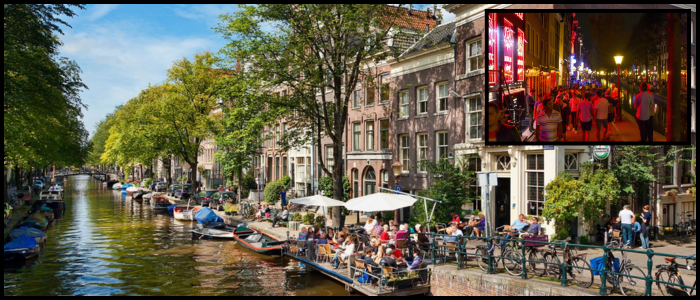
The city of Amsterdam is continually under pressure from tourism; in fact, last year, the city recorded just under 24 million visitors. The foundation has also taken legal action against the municipality of Amsterdam for failing to comply with its 2021 Tourism in Balance regulation that established a limit of no more than 20 million visitors per year. According to the foundation, this limit intends to protect the neighbourhoods and residents from being overrun because of tourism.
Earlier this week, Amsterdam's government stated to the court that the 20 million cap on overnight stays was not a legally binding commitment but rather an administrative estimate that could not be enforced by residents. However, the citizens' foundation maintains that there needs to be stricter controls on the number of tourists coming into the city and that the balance of residents should be restored.
According to the citizen's initiative, the additional 900 million euros generated from the increased tourist tax could be used to fundamentally change Amsterdam. Examples include converting thousands of hotel rooms into residential housing and planting one million trees in Amsterdam. The local city council (Gemeente Amsterdam) previously passed the Tourism in Balance regulation in 2021 after over 30,000 residents supported the citizen's initiative.
Even though the current tourist tax rate continues to be 12.5% until 2026, tourists are already being faced with increased costs. The new national VAT increase on hotel accommodations will raise the percentage from 9% to 21%. Thus, the combined tax burden for tourists on overnight accommodations can be around 33.5%. The city officials are currently monitoring any decrease in tourist numbers because of the VAT increase. Therefore, if high tourism continues, the city may consider raising the local tourist tax as of 2027.
As a result of this new revenue, Alderman Sofyan Mbarki is proposing to direct the additional revenue sources into the municipal real estate fund. The fund could be used to purchase properties in the central city (such as the Warmoestraat area) and convert the buildings into homes or neighbourhood-related businesses to improve livability in those areas.
Amsterdam has initiated various strategies to manage the future growth of tourism in the city. Starting in late 2024, hotels will be banned from constructing additional sleeping spaces, such as bunk beds or pods, during renovation. Beginning in April 2026, private holiday rentals will be limited to 15 total nights in leases per year for houses located in areas such as Centrum and De Pijp. Finally, the city plans to restrict the number of river cruise ships to no more than approximately 1,150 ships docking in Amsterdam on an annual basis by 2028.