 10 months Ago
Near Misses Highlight the Need for Caution
Both of these near misses occurred on January 19th and January 20th, 2001, when military tanker aircraft flew very close to commercial aircraft. One of the pilots involved reported having a frightening experience, stating the military aircraft was ascending vertically straight toward him, with no warning to indicate that a collision might occur. This pilot was shocked that a TCAS Resolution Advisory was not issued when the military aircraft was so close.Air Traffic Control acted quickly to give direct instructions to change heading, sending the military aircraft to a particular navigational waypoint, so that the aircraft could achieve more distance from each other. Air Traffic Control also warned the military crew that there was another commercial aircraft located 8 miles away, emphasizing the precariousness of the situation.
Aircraft Types Involved
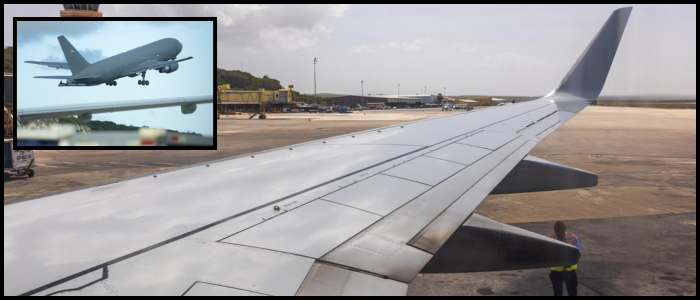
When asked about the military aircraft involved in these incidents, the military crews indicated that they were large widebody aircraft, and thought that they may have been Boeing 777s or 767s. The U.S. Air Force operates Boeing 767-2 (known as KC-46) as aerial refuelling tankers. Aviation analysts currently think that a KC-46 was involved in the second near-miss incident. However, it remains unclear whether the same type of military aircraft was also responsible for the first incident.In both of these incidents, the military aircraft were in civil airspace, and the military crews did not receive TCAS Resolution Advisories. This has caused a lot of concern for pilots and authorities who operate in the area.