 7 months Ago
High rates of Exposure to Violence
The research by Highberg surveyed 637 children, ages 9 to 13. The results indicated that 75% of the participants (which includes those children identified as victims, witnesses, or perpetrators) reported experiencing violence in one form or another, such as physical, verbal, or psychological violence.
In fact, 84% of the children indicated that they had witnessed violence, primarily occurring at /at their school or on school property. Among those who had been directly exposed to violence, 82% reported that it had occurred at or on the grounds of their school, while 23% indicated that it had occurred on the street. Thus, schools continue to be the two major environments in which children encounter adverse behaviours.
Personal Experiences Highlight Long-Term Effects
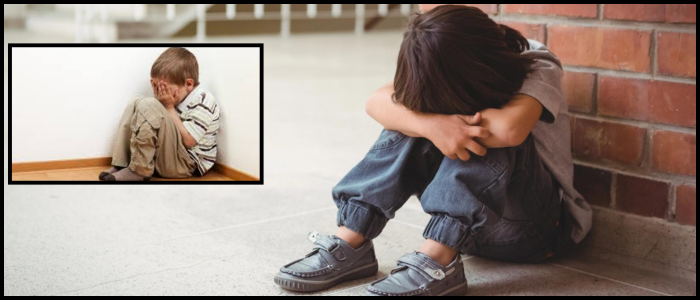
In several instances, the speakers will highlight their personal experiences and how deeply such incidents affect them. For example, Renée, a 12-year-old girl, discussed experiencing bullying for many years, both in person and online, beginning in group 5 and continuing into secondary school. She stated that her classmates would gather at her home after school, wait for her to come home from school, and send her threatening messages via WhatsApp. Renée remember the worst time was 3.5 years ago, but she continues to deal with the emotional consequences of being bullied and often questions her self-worth as a result.
Bram, a 19-year-old young man, discussed his childhood and the experience of having to live in a home that experienced domestic violence. Bram explained that he lived in constant fear, without knowing when violence would occur. As a coping mechanism, Bram used music and gaming as a way to deal with his home life. Roze, a 23-year-old young woman, described realizing that her home life was not normal when friends pointed it out and sought help from a professional, as well utilizing music to deal with her experiences.
Lack of Awareness and Need for Support
The survey results revealed that 39% of the children questioned during the survey, who witnessed violence, did not know how to respond. While 72% of the children surveyed felt generally safe, one-third of them were unsure what to do if they themselves were victims of violence.
Roline de Wilde, director of De Kindertelefoon, identified the lack of children who know how to ask for support as the most concerning part of the results. Many children fear the consequences, loss of control, and not being believed when they report violence. The organization manages approximately 25 calls or chats per day related to violence, which has increased from 22 calls per day in 2024.
Experts also noted that many children struggle to talk about their experiences with violence. Some children blame themselves for the violence they witnessed, or are not able to determine if what they are experiencing is normal. Such confusion and fear are among the reasons that children are unable to ask for help or to talk to a significant adult about their experience, making the existence of accessible support systems critical.