 1 month Ago
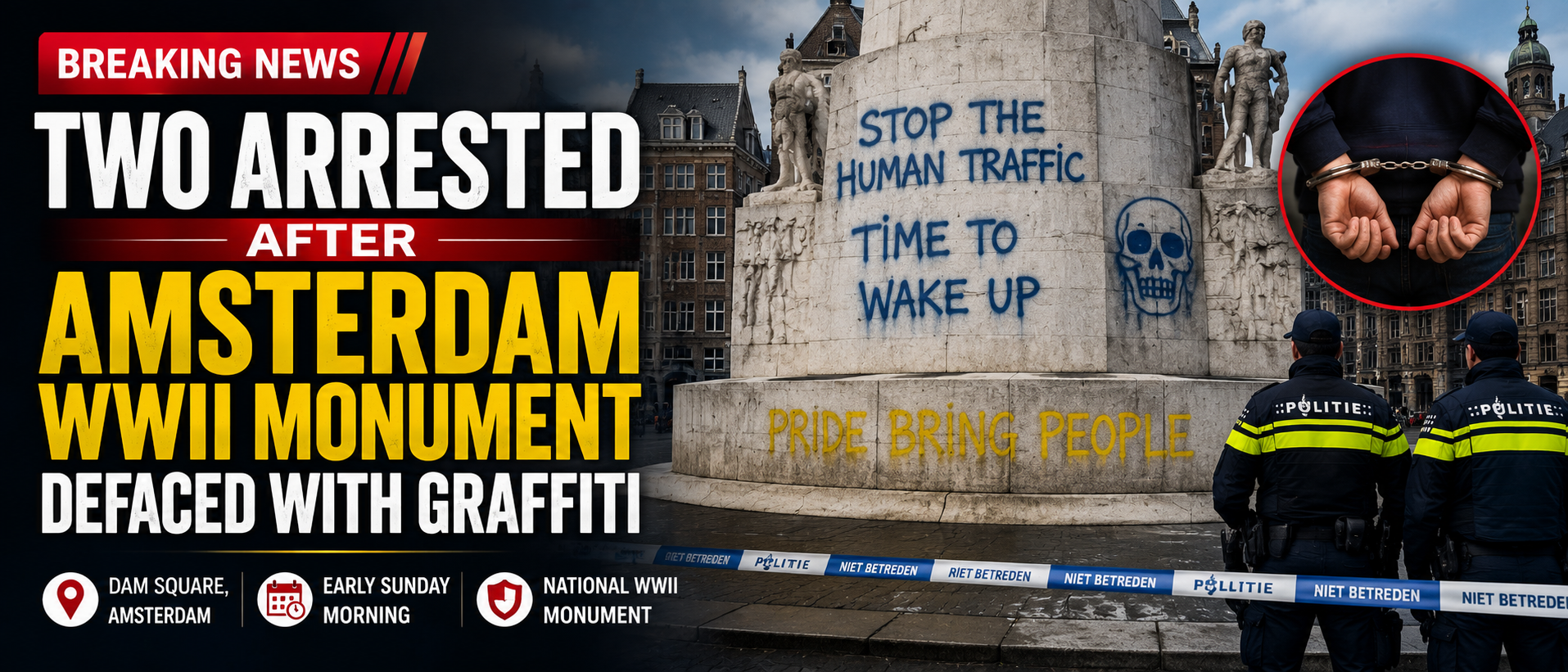
While officers were still at the scene waiting to transport the first suspect, a second man was spotted at the back of the monument applying lipstick to the structure. The 39-year-old Polish national was arrested on the spot without resistance. Police maintained a presence at the location and the monument remained closed off to the public until at least 9 o'clock in the morning as the cleanup operation got underway.
A Monument That Has Been Targeted Before
Sunday's incident is not the first time the National Monument has been defaced. In August of last year, a man sprayed the phrase "Never Again is Now" in red paint on the structure during a pro-Palestinian demonstration. That case went before a judge, who ruled the individual would not face punishment, citing in part that there had been no deliberate intention to cause permanent damage. The man was ordered to pay the cost of paint removal but faced no further legal consequences. The monument was also stained with red paint again on May 4 of this year, on the very day the Netherlands holds its annual commemoration of those who died during World War II, adding a particularly sharp edge to that particular act of vandalism.
Why These Incidents Matter
The National Monument on Dam Square holds deep historical and emotional significance for the Netherlands. Built to honour victims of the Second World War, it is a focal point for national remembrance and is visited by large numbers of people throughout the year. The repeated targeting of the structure, whether driven by political messaging or other motivations, has raised ongoing questions about how to balance free expression with the protection of sites that carry profound collective meaning. Each incident requires time, resources, and cost to remedy, and the pattern of recurring damage underscores the challenge authorities face in protecting open, publicly accessible memorials. The two men arrested on Sunday are expected to face further proceedings in connection with the damage caused to the monument.