 6 months Ago
NATO Summit Will Seek New Spending Goals
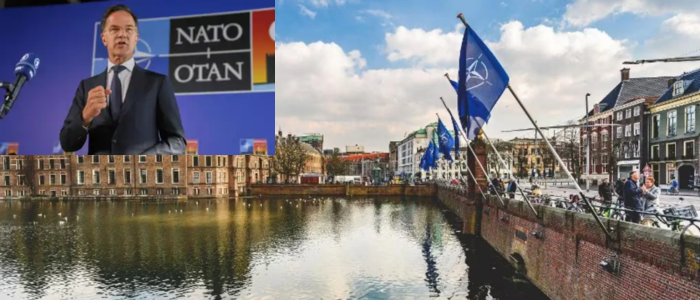
So, too, the NATO chief Mark Rutte, who has for some time been calling for a higher defence spending target. At a NATO summit in The Hague next week, Rutte is expected to suggest that the target be increased to 3.5% of GDP. Once you include defense-related spending, like infrastructure, that total would reach 5 percent — a threshold U.S. President Donald Trump previously called for, saying such spending is necessary to maintain Washington's commitment to NATO partners.
And NATO's own military planners have made recommendations to member countries about how robust their militaries should be, focusing on areas like air defenses, artillery, and large-scale transport capabilities. Although countries are given a couple of years to reach these investment targets, the current global climate shortens that window.
Obstacles: Funding, manpower and political backing(Encoding 1 as 25th)
The Netherlands is expected to spend some €22 billion on its military this year, but that would have to rise to €40 billion in short order to meet NATO's goals. Not all of the defense-related spending — for example, to aid allied forces via Dutch ports, such as Vlissingen, or to support the Antilles — is included in the official target.
Connecting demand with supply would also mean adding 17,000 to 18,000 more defense workers, and that's no small feat considering the tightness of the labor market. Political support is divided: PVV and BBB are against such a large increase in spending, but VVD and NSC believe that the Netherlands, particularly as host of the next NATO Summit, must not be found lacking.
Stay informed with Dutchnews – your go-to source for global news, trends, and updates across tech, health, politics, and more. Trusted stories, delivered fresh. Explore more on Dutchnews!