 6 months Ago
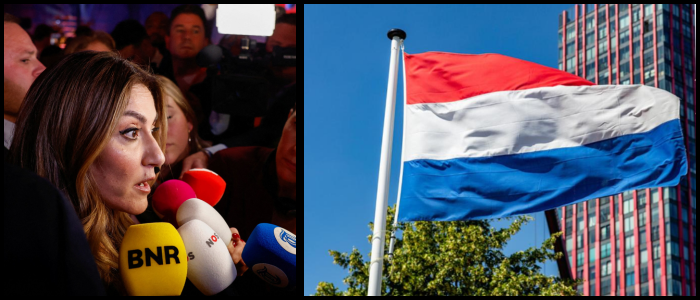
Yeşilgöz confirmed her endorsement on the Dutch political talkshow Buitenhof, when asked twice whether she supported the 5% spending target: "Yes, definitely," she responded.
She also backed the Dutch Prime Minister Mark Rutte's proposal for an extra 1.5% of GDP earmarked for defence infrastructure. What NATO military planners have done is they have provided detailed analyses in support of that higher budget," Yesilgöz said.
"I think it's very important that Donald Trump has called for this and that NATO military planners have underpinned it with that analysis," she added.
Progressive Transition Over 10–15 Years
However, the Netherlands would not be expected to hit the 5% spending target straight away, Yeşilgöz explained. Instead, she foresees a 10- to 15-year phase-in, with room for incremental budget hikes.
"That doesn't mean the government must immediately adhere to the norm," she said. "It's a long-term effort."
Before, Yeşilgöz called for an increase in the Dutch defense budget to 3.5% of GDP and her renewed position of a 5% target is a massive leap forward for the country.
Geert Wilders Under Attack by Coalition Partner
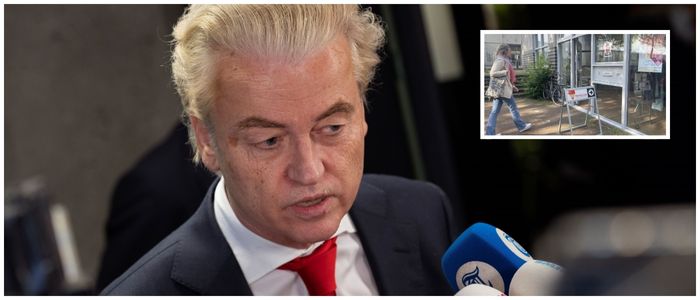
"Do you want that as prime minister?" Yeşilgöz said during a TV appearance, attacking Geert Wilders, the PVV party leader and a coalition partner, for being at the Conservative Political Action Conference (CPAC) in Hungary last Friday. The program featured a number of pro-Russian speakers.
"He's partying with a bunch of Putin friends on a weekend," Yeşilgöz said. "Russia and President Vladimir Putin are a direct threat to Dutch national security, not NATO and our efforts to strengthen defence," she added.
Upcoming NATO Summit Focus
The battle for greater NATO defense spending is likely to dominate the agenda of the NATO summit meeting in The Hague in late June. The talks also follow rising global tension and renewed attention to collective security among members.