 6 months Ago
Traffic Flows Free, Business Fears Unrealized
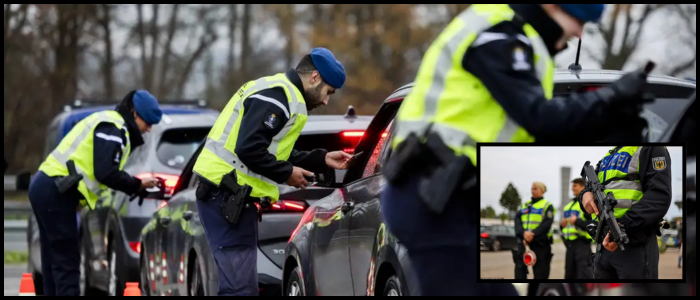
The Dutch travelers' association ANWB also confirmed that traffic was not being backed up because of the border controls; this is in contrast to similar traffic stops in Germany, where the A1 near Oldenzaal is often congested.
Initial fears have not yet materialised — like warnings from the German-Dutch Chamber of Commerce (DNHK) that €60 million of losses per month are looming. Member companies of the DNHK say the financial consequences are still manageable.
also the transport and logistics group TLN also reported that the average delay for cargo transport is approximately 20-30 minutes and sometimes longer. But they think these are manageable for businesses based by the borders.
Policy Call: Praise and Critic Eases After 6 Months
The border checks, which jettisoned the Mobile Security Supervision (MTV) system deployed by the Royal Marechaussee conducted the checks of receipts, have been held for half a year. They were initially roundly criticized by the border municipalities and employers' organization VNO-NCW for being bad for the local economy and for cross-border commuters.
In March, State Secretary for Asylum and Migration Marjolein Faber said 250 people have been refused entry for not meeting entry requirements. In April, she extended the controls for a further six months, saying the public order faced continued threats.
While facing the criticism, TLN and DNHK are calling for careful assessment of the checks in order to juggle between immigration control and maintaining what seems to be necessary logistics and open EU borders.