 55 minutes Ago
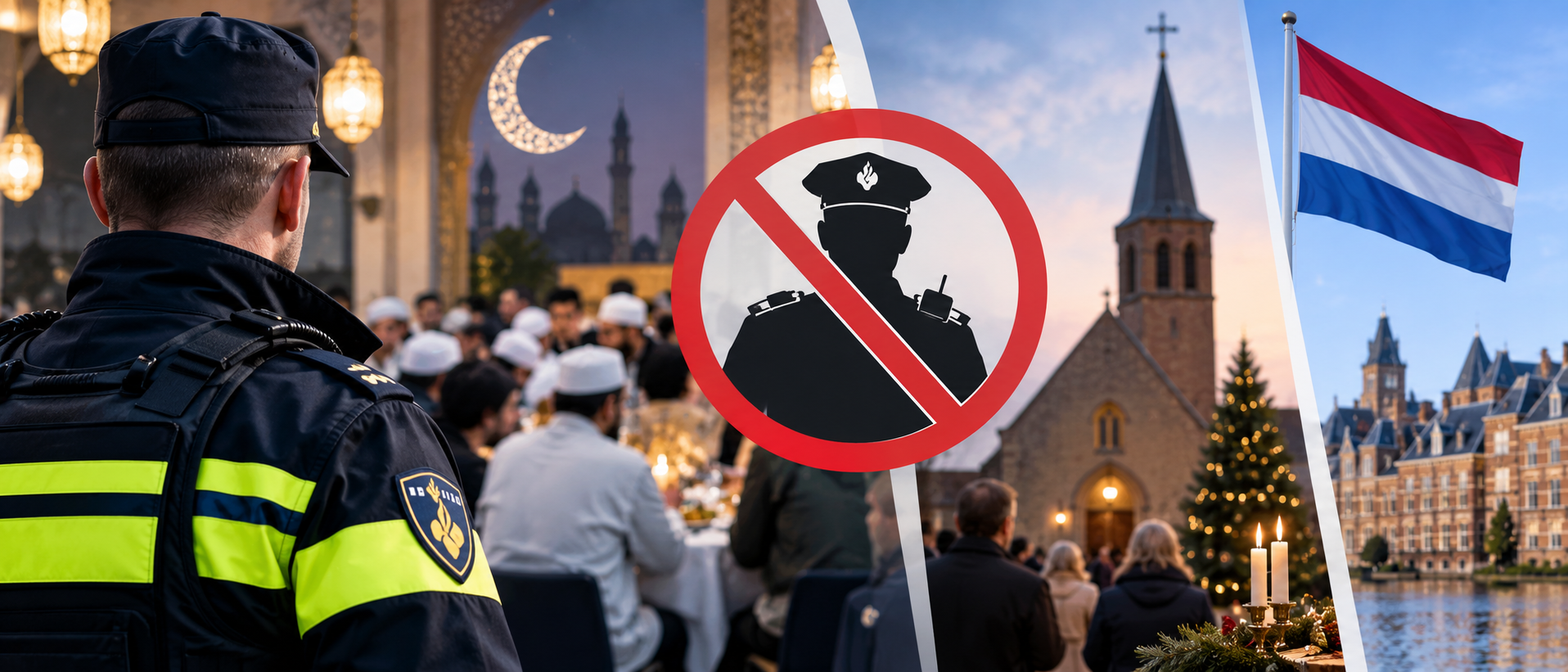
The changes would also curb how actively police take part in Ramadan events, a practice that has quietly become common in several Dutch cities over the years.
Why the Rules Are Changing
Police officers are already bound by what's known as the lifestyle neutrality code, which governs their conduct while working. But questions have lingered for some time over whether that neutrality is actually being upheld, especially given how often officers show up at Islamic Ramadan gatherings, and in some cases even help organize them.
Technically, the new rules would apply across the board, covering Christmas and Easter celebrations just as much as Ramadan ones. Still, most people involved in the discussion admit the real focus is on Islamic events. ChristenUnie leader Mirjam Bikker put it bluntly, noting she's never come across a police station sending out invitations for a Christmas carol evening, unlike what happens around Ramadan.
Tensions around this issue resurfaced earlier this year after the Midden-Nederland police unit organized an iftar dinner in Almere. Around the same time, Utrecht police referred to Ramadan as a "holy month" in a social media post, drawing further criticism. Amsterdam's police force has gone even further, having hosted Ramadan celebrations for more than two decades now. Recent versions of that event even included remarks from police chief Peter Holla and Mayor Femke Halsema.
What the New Framework Would Mean
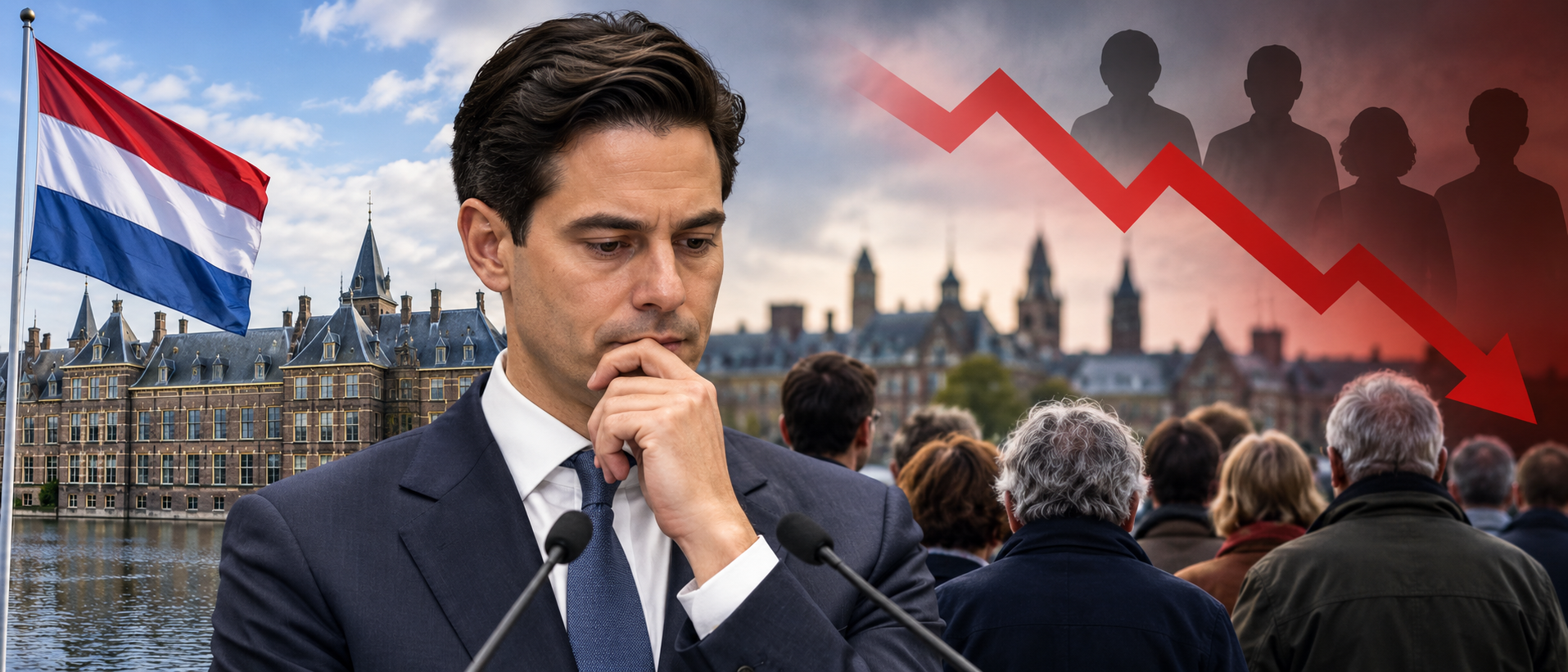
Under the proposed operational framework, officers would largely be banned from organizing, helping run, or personally attending outside religious gatherings while on duty. There is one exception carved out, though: a "functional visit," meant to help police stay connected with local neighborhoods and communities, would still be permitted.
For a while now, a sizeable chunk of the Tweede Kamer has been pushing for clearer boundaries on this front. Parties like the SGP and JA21 previously attempted to limit police involvement in iftar events, but that earlier motion didn't gather enough votes to pass. This time around, though, Minister Van Weel and police leadership appear ready to act on the demands of a broader coalition, including the VVD, PVV, CDA, JA21, FVD, Group Markuszower, BBB, SGP, CU, 50PLUS, and independent MP Mona Keijzer.