 13 hours Ago
Why Israel Took the Step
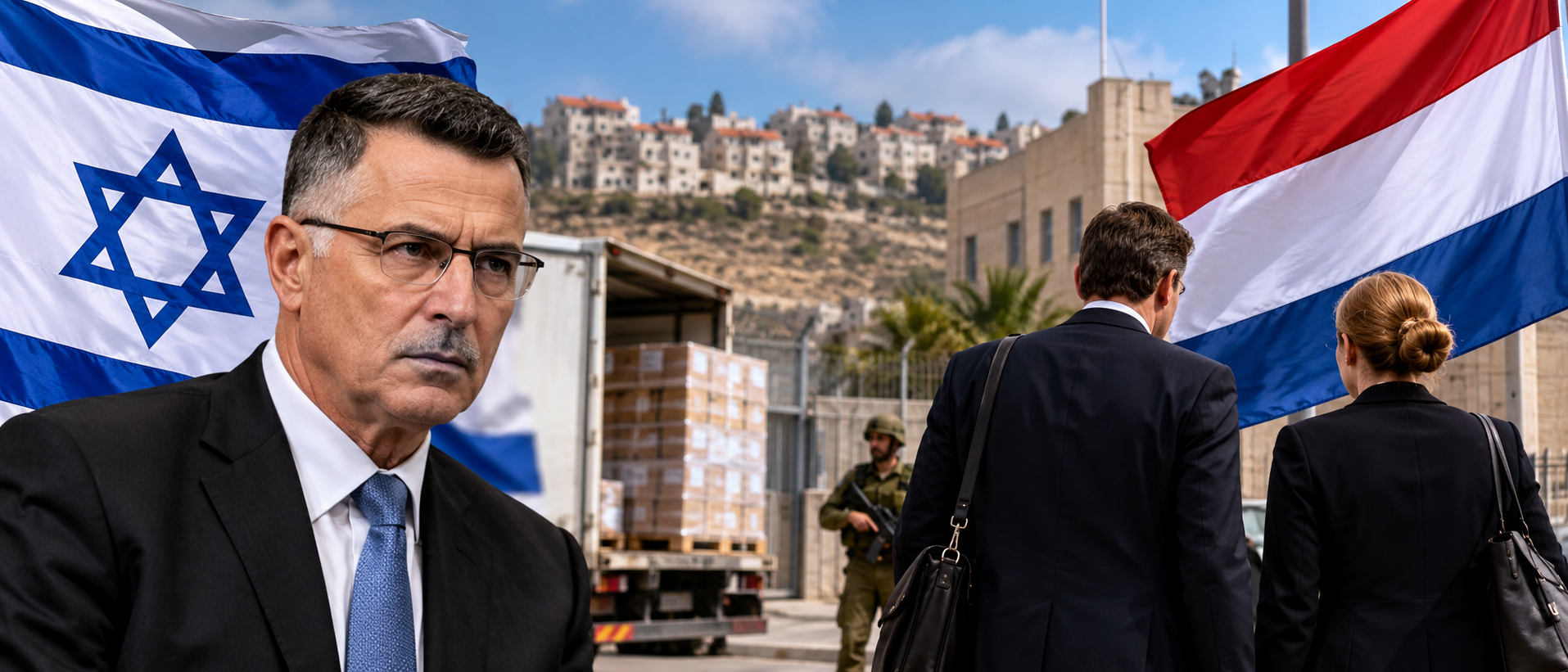
Israeli Foreign Minister Gideon Saar explained the decision in a post on X. He linked it directly to the Netherlands' new ban on imports from occupied territories. These are areas of the West Bank that Israeli settlers have seized from Palestinians, often through violence.
This is not the first time Israel has targeted Dutch diplomats. Earlier, it moved to expel two Dutch embassy employees who worked at the international support center for Gaza (IGCS) in Kiryat Gat. That plan was later dropped.
A Relationship That Slowly Cooled
After Hamas attacked Israel on Oct. 7, 2023, killing 1,200 people, the Dutch government quickly stood with Israel. As the war in Gaza dragged on, though, the warmth faded.
In February 2024, the Netherlands stopped exporting F-35 fighter jet parts to Israel following a court ruling. The Cabinet was later proven right in the dispute, yet the exports never restarted. A month after that, then-Prime Minister Mark Rutte warned of sanctions if Israel launched a large-scale attack on Rafah in southern Gaza. No measures followed, and ties did not get better. The EU also held back from sanctioning violent settlers.
The Cabinet made up of PVV, VVD, NSC, and BBB took no action against Israel, and the PVV has long backed the country. When Maccabi soccer fans were attacked in Amsterdam in November 2024, the Israeli government reacted with fury.
The Shift in Dutch Policy
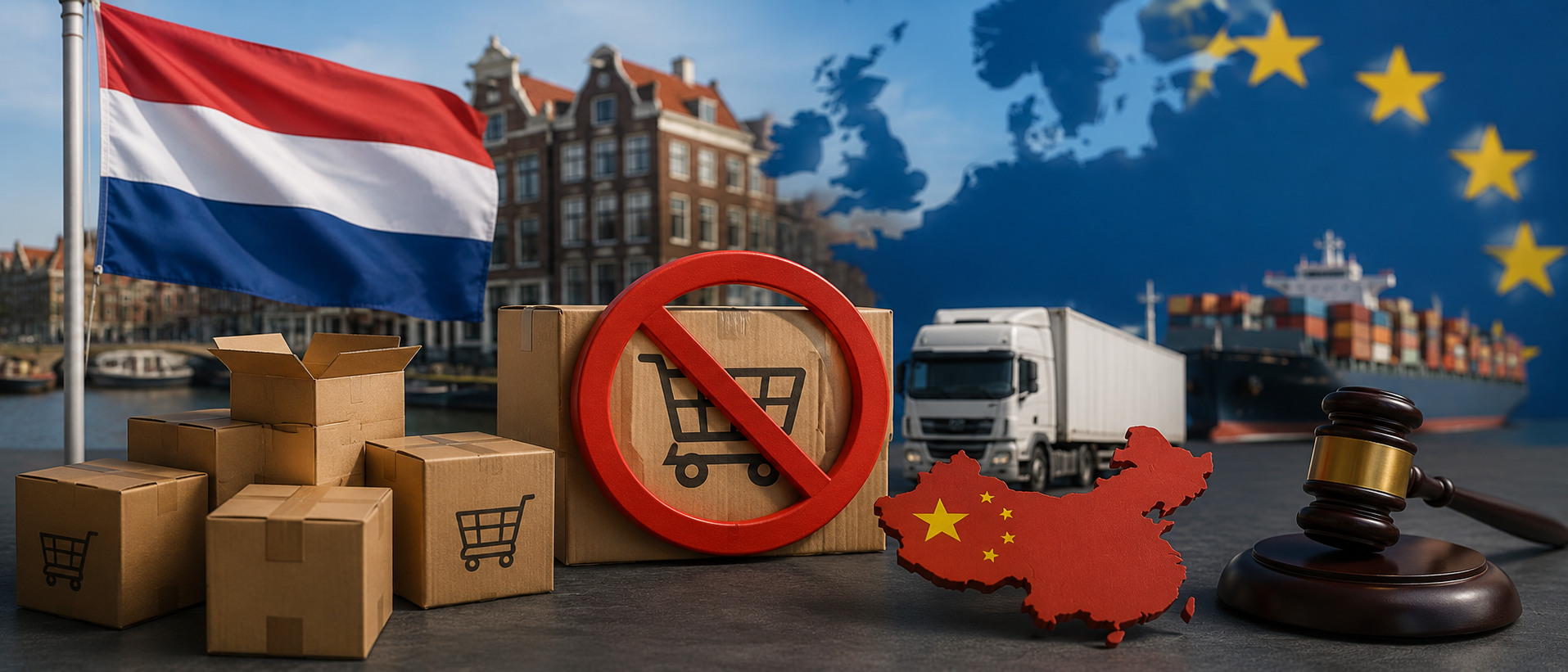
Things changed after the PVV left the Cabinet last June. A month later, the Netherlands added two extremist ministers from Netanyahu's government to its sanctions list. In September, the outgoing Cabinet announced plans for an import ban on goods from the settlements.
The new Cabinet carried that plan through. In May, the Council of Ministers approved the trade ban, and it took effect last week. Israel's response in Ramallah came soon after.