 12 hours Ago
What the New Decree Covers
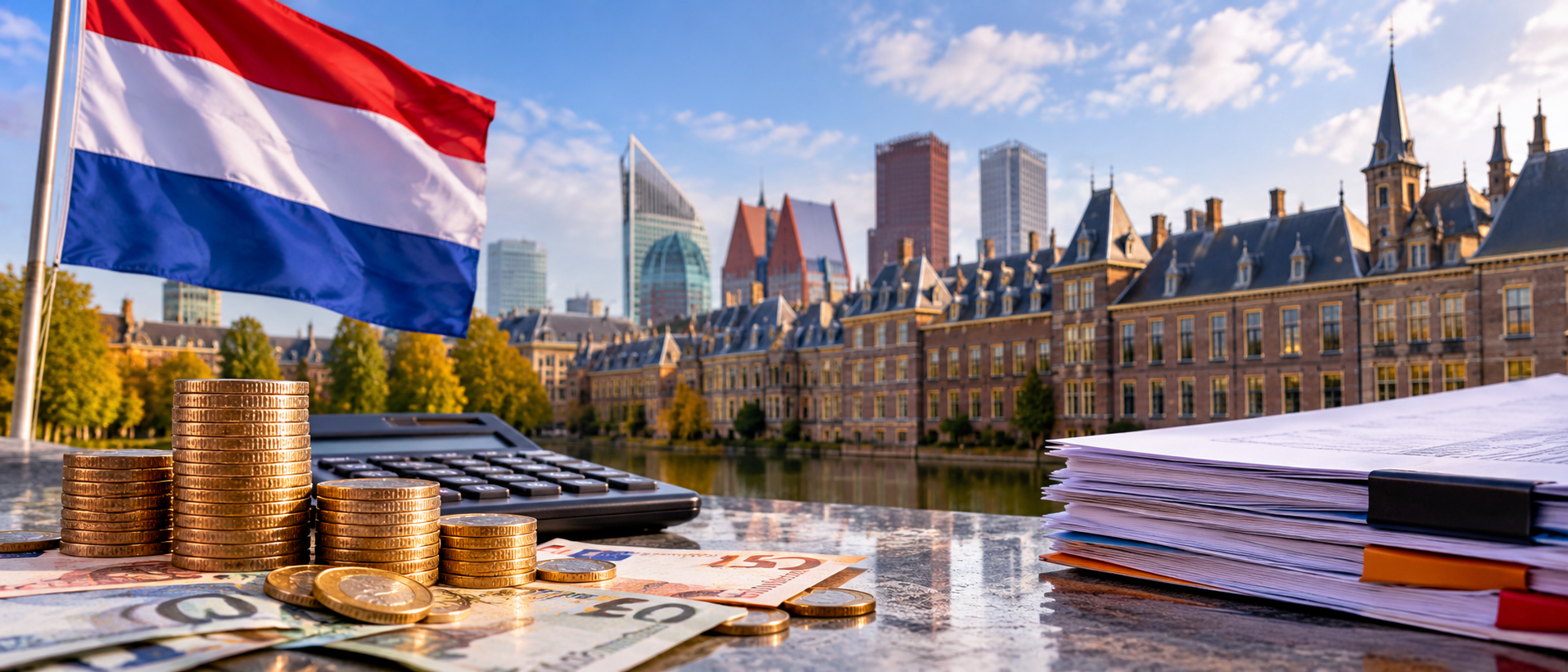
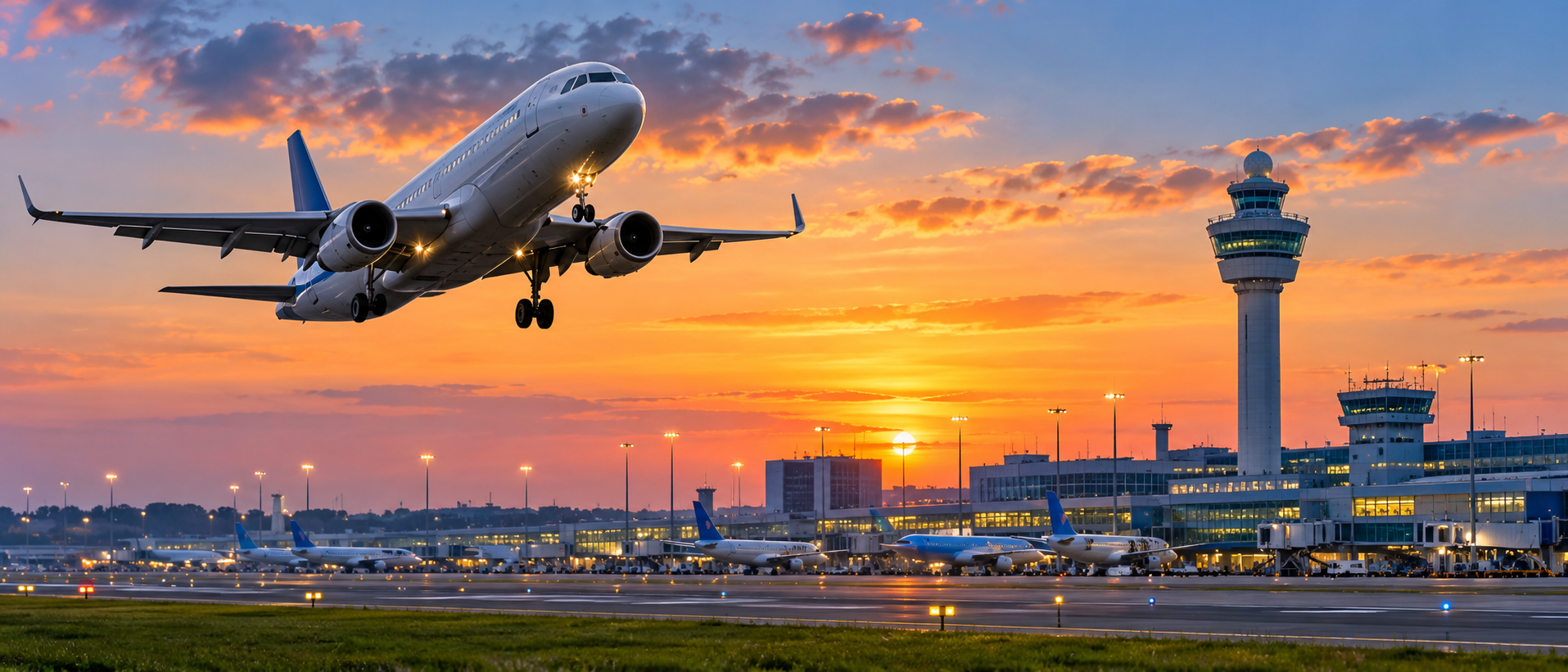
The decree sets fresh rules for Schiphol on noise, flight numbers, aviation safety, runway use and harmful emissions. It is the first update of its kind in 18 years, so the change has been a long time coming.
The government hopes the cap will cut the nuisance felt by people living near the Netherlands' largest airport by 20 percent over a full 24 hours and by 15 percent at night. There is some room for growth later, though. If newer, quieter aircraft manage to bring noise levels down, the decree allows for more flights. Infrastructure Minister Vincent Karremens described the task as a balancing act between reducing the burden on local residents and meeting the needs of an open economy that leans heavily on aviation.
Left Wants More Relief, Right Wants More Flights
Even with majority backing, the decree drew criticism from both sides of the political spectrum. Left-wing parties said residents deserve more relief, while right-wing parties wanted room for more flying in the name of the economy.
PRO and PvdD argued that such a modest cut will not ease the noise, sleepless nights and health problems facing the roughly 175,000 people who live near the airport. "A hundred thousand people are literally being made sick by this," said PvdD MP Ines Kostic. PRO MP Suzanne Kröger went further, calling the small reduction a "slap in the face" for residents. She compared it to the fracking earthquakes in Groningen. Both parties also pointed to a 2024 court ruling, in which a judge found that the government had repeatedly put the aviation sector ahead of local residents.
On the other side, Groep Markuszower, JA21, BBB and VVD stressed how much Schiphol matters to the economy and to the thousands of jobs around it. They want flight numbers to rise, as long as quieter aircraft bring noise down enough. Parliament will vote on that proposal next week.