 6 months Ago
Under that measure, the minister would have been able to outlaw such clubs directly, with a judicial review that would come only after the ban was put in place. Critics said that the law jeopardized basic rights and the balance between citizens and government.
Civil Liberties Concerns Raised by Key Parties
The proposal was voted down by the BBB, whose support was necessary to pass the proposal. Senator Robert van Gasteren sounded a note of caution that the bill would tamper with legal safeguards and fall into the wrong hands of future governments with political motives.
Even the PvdA voted against it this time, despite having co-authored the original proposal years ago. As the joint Senate faction with GroenLinks, the party was opposed to it until the judicial rules were changed in 2022, now enabling the courts to more easily ban the organizations already.
"In this way organisations that are not actually criminal can be called to account" and it is dangerous for the democratic rule of law, Senator Jeroen Recourt (GroenLinks-PvdA) made it clear.
Political Fallout and Disputed
The rejection prompted a furious response from VVD leader Dilan Yeşilgöz-Zegerius, who slammed her coalition partners for dismissing a plan which she argued would make the country safer. She described the result as "inconceivable" on social media platform X.
For its part, PVV's Ilse Bezaan challenged the idea, though: "Who can stop such a law from being misused for political vendettas or personal feuds?"
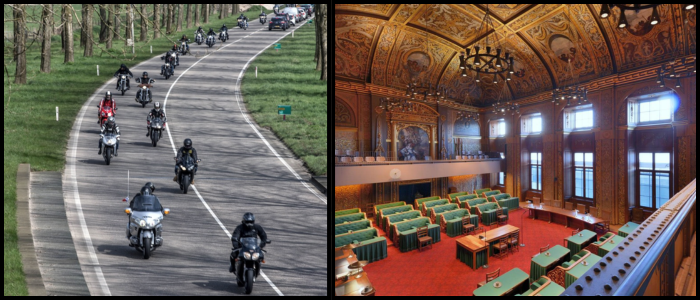
The existing civil legal pathway to outlaw outlaw motorcycle gangs is still an option and was most recently used to ban clubs including the Hardliners. The Senate's refusal suggests widespread concern that to give over executive powers without imminent judicial oversight.