 6 months Ago
Increase in local restrictions
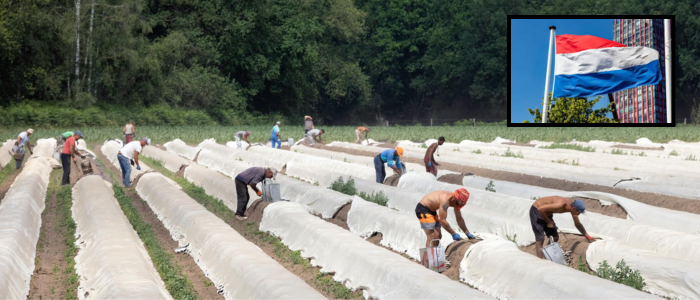
According to a recent EenVandaag survey, 13 Dutch municipalities are now imposing a limit on the number of migrant workers allowed to live within their area. That is a notable increase compared to just three municipalities that did so in 2020. The survey, in which 157 municipalities participated, also found that another 11 municipalities are considering introducing similar rules.
Most municipalities cited concerns about social cohesion, pressure on housing and general quality of life as important reasons for imposing the limits. For example, Peel en Maas has limited the number of migrant workers to 10% of the total population – approximately 4,500 people – a figure that has already been reached. As a result, the municipality no longer issues permits to additional migrant workers.
Other examples include Zaltbommel, which has set a maximum of 2,000 international workers but currently houses 852, and Altena in North Brabant, which has stopped issuing new permits for large-scale housing because the set capacity has been reached.
Call for national policy
Monique Kremer, chair of the Advisory Council on Migration, acknowledges the pressures municipalities face, but believes that local limits are not a complete solution. Instead, she suggests that cities reduce the number of businesses that rely heavily on migrant labor. "Many municipalities invite businesses that need large numbers of migrant workers, but these people also need housing," she says.
The council has previously recommended that the Dutch government consider a national cap on migrant workers to ensure that their contributions benefit society as a whole and not just meet economic needs.