 6 months Ago
Scientific Work Disrupted Across the Netherlands
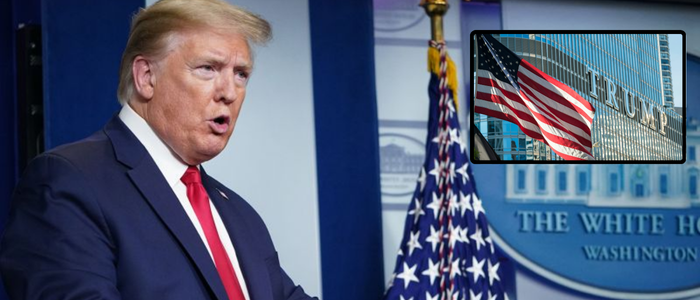
A joint investigation involving NU.nl, Investico, De Groene Amsterdammer, and Hoger Onderwijs Persbureau surveyed over 200 scientists across nearly every Dutch university. One-third of the 210 respondents reported that Trump's policies had affected their work. Specifically, 14 said collaborations with American colleagues had ceased, 26 experienced cancellations or changes in conferences and visits, and 20 said research funding had been lost or made uncertain.
Additionally, a fifth of the affected scientists said vital data had vanished. Seventeen researchers reported that critical datasets or software they depend on are no longer accessible. For instance, the American Demographic and Health Survey (DHS), a crucial source for global medical data, has been paused. This has impacted Dutch researchers studying infection control, HIV, and other medical fields. UMC Utrecht's epidemiologist Sanne Peters noted the loss of DHS data related to transgender people and youth sexual orientation.
Climate Data Access Also Threatened
Climate science has also been affected. The U.S. National Oceanic and Atmospheric Administration (NOAA), which gathers global climate data, has reportedly slowed or stopped updating key datasets. These datasets, collected through thousands of ocean buoys, are essential for accurate weather forecasts. Without this data, forecast quality may decline, said Sjoert Groeskamp from the Netherlands Institute for Sea Research (NIOZ).
Despite growing concerns, Dutch universities have not adopted a unified response. While some institutions are taking independent steps, there is no national strategy in place to support researchers affected by the U.S. policy changes.
Stay informed with Dutchnews – your go-to source for global news, trends, and updates across tech, health, politics, and more. Trusted stories, delivered fresh. Explore more on Dutchnews!