 1 year Ago
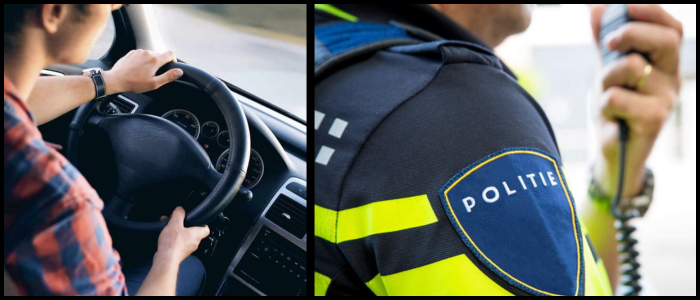
Police say they cannot say precisely why it is on the increase. Although an increased number of checks may have contributed to the higher amounts, no explanation was found. In previous years, the majority of impaired drivers were found with alcohol only. Now, it is drug-related offences — sometimes but not often with alcohol — which constitute the bulk of cases. Saliva is usually a screening test, with confirmatory testing done on blood.
Experts warn of long-lasting impairment
The Trimbo Instituut's drug researcher, Steven Biemans, comments: "Those using do so for two reasons: in the first place there are those convinced that they are better drivers when they are on drugs they know are having an impact, and also those thinking that they are free of any problems because they have stopped feeling any effects. Drug effects last longer than perhaps many users appreciate, he cautioned.
"One dose of ecstasy can be retrieved in a test for up to 40 hours, multiple doses for more than two days," Biemans said. The gold standard is not driving at all is about a day for regular users. He added that police testing devices are calibrated to detect this 'prolonged period of impairment'.
Police say doped driving has led to deadly accidents. Biemans stressed that the inconvenient testing has nothing to do with making things difficult for drivers — rather, the measures are to counter risk: "You're simply less alert that entire time without even being aware of it.
There are higher risks for young drivers and mixed-use
Last year's survey by TeamAlert found that 90 per cent of young people object to drugged driving, yet many still believe myths — ecstasy makes people alert, or cannabis has a calming effect. These thoughts are not only wrong and unsafe, but deadly, says TeamAlert's Saar Hadders. With drugs and alcohol combined, the risk of a crash is 200 times higher, she added.
Young drivers are at particular risk because their brains are not fully developed, said Hadders. "Getting home fast can trump long-term thinking, and peer pressure may prompt them to drive friends while they're under the influence."
To tackle the problem, TeamAlert is rolling out a campaign next month targeting teenagers. The message: "Sober driving is not a new experience."
Biemans encouraged drug users to see how long exactly the substance could keep them impaired beforehand. He recommended reaching the Trimbos Instituut's drug info line during the week and asking a designated "drugs bob" — a person designated to stay sober, or not take a risky cocktail of drugs. He also cautioned that fatigue, prevalent at multi-day events, can impair drivers even more.