 4 months Ago
The Legal Backdrop: Supreme Court Strikes Down Tariffs
The court's ruling was a substantial blow to the Trump administration's trade agenda. Judges determined that Trump had overstepped his authority by invoking the Emergency Economic Powers Act of 1977 as the legal basis for imposing the tariffs. With that foundation knocked out, companies that had been paying those duties found themselves in a position to pursue refunds. The administration has reportedly set aside a staggering $166 billion to cover repayments to businesses that overpaid as a result of the now-invalidated measures.
Heineken confirmed through a spokesperson that the lawsuit has been filed, though details — including the exact amount the company intends to reclaim — have not yet been made public. The brewer is far from alone. More than 3,000 companies are reportedly pursuing similar legal claims against the administration, with major names like Costco, FedEx, and UPS among those seeking reimbursement.
Trump Fires Back With a New Tariff
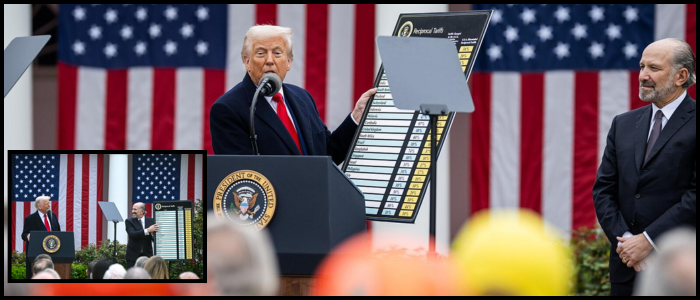
The president made no secret of his frustration with the court's decision, saying publicly that he was deeply disappointed by the ruling. He also issued a pointed warning to businesses, telling a financial news channel that companies choosing not to file for refunds would "not be forgotten" — a comment widely interpreted as political pressure aimed at discouraging corporate action against his trade policies.
Trump moved quickly to counter the ruling. Within a short time, he signed a new decree imposing a flat 10 percent tariff across the board, this time citing a 1974 trade law as his legal authority. He argued the new measure does not require Congressional approval — a direct response to one of the Supreme Court's key criticisms of the earlier tariffs. The revised tariff is set to remain in place for a maximum of 150 days, leaving businesses in a state of continued uncertainty as the legal and political battle over trade policy shows no sign of slowing down.