 7 months Ago
Arriva has stated that They Will Not Raise Fares Due to Increased Diesel Costs
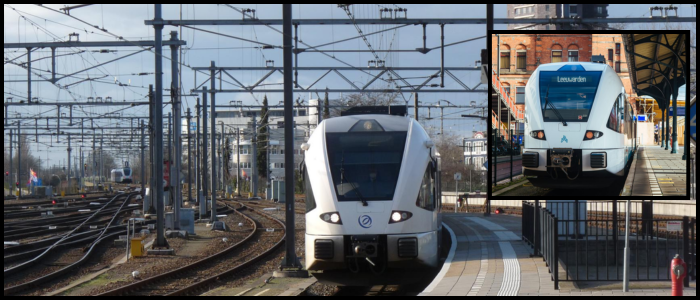
Arriva has advised that all ticket prices are set at the start of the calendar year before passengers purchase tickets and remain fixed for the entire year, which means that diesel prices will not affect what current Arriva passengers are paying at present. Arriva did not provide any specifics on how they are managing increased costs from higher diesel prices; however, they have explained that it is a matter of sensitivity to business.
Approximately 17 rail lines use diesel trains for their passenger services, and the combined distance of these lines is 551 kilometres. The majority of these diesel train lines are located in Friesland, Groningen, Overijssel and Gelderland, with smaller segments of the lines located in Limburg and Noord-Brabant. All diesel train lines in the Netherlands are required to be free from diesel emissions by 2050. The company has indicated that they expect to adjust future ticket prices through the Landelijke Tariefindex, which is used to reflect changes in energy prices from one year to the next; therefore, it is possible that ticket prices for Arriva could change in the future as a result of ELTI.
Hedging Strategies Utilized by Other Transport Providers
Other transport providers have been more forthcoming about how they have been managing their costs during periods of volatility. One example of an alternate use of hedging strategies is KLM Airlines; KLM has hedged against changing fuel prices by locking in future prices of kerosene or making financial arrangements to cover the cost of kerosene if market prices exceeded the fixed rate.
In 2022, KLM reported that it had successfully hedged positions related to the price of oil due to the Russian invasion of Ukraine, resulting in over 500 million euros of gains, which helped offset the increase in the price of oil. KLM has also announced that it will pursue hedging activities into 2026; however, KLM acknowledges that its current and future prices for tickets will still increase as a result of higher fuel prices.
Another example of a company that has hedged against crude oil is the Dutch national railway (NS). NS has primarily hedged its electricity costs as its trains do not run on diesel; this protects against fluctuations in the electricity market. NS has also expressed concerns with current global geopolitical developments and how they impact the cost of providing train service to customers.
Broader Impact on the Transportation Industry
The increase in diesel prices is placing a strategic burden on other segments of the transportation industry. The KNV (Kamer van Koophandel) represents the healthcare transportation industry, touring coach and taxi operators. They have stated that the pressure on margins for these types of operations is compounding the overall cost of providing services, especially since they cannot pass the increased cost of diesel on to their customers in full.
TLN (Transport en Logistiek Nederland) has also pointed to the rising diesel prices as a growing issue for logistics providers. This is particularly true for shipping companies that transport goods in their vessels through inland waterways, as several logistics companies have already reduced their fuel consumption by conservatively managing their fuel usage in relation to their operational expenditures.