 11 months Ago
September's increase follows several months of fluctuating inflation, with August recording the lowest reading to this point in the year, while April recorded the highest reading of 4.1 percent.
Economists suggest that inflation in the Netherlands has been due to a mixture of energy prices, fuel costs, and general trends with European economies.
Energy and Fuel Considerations
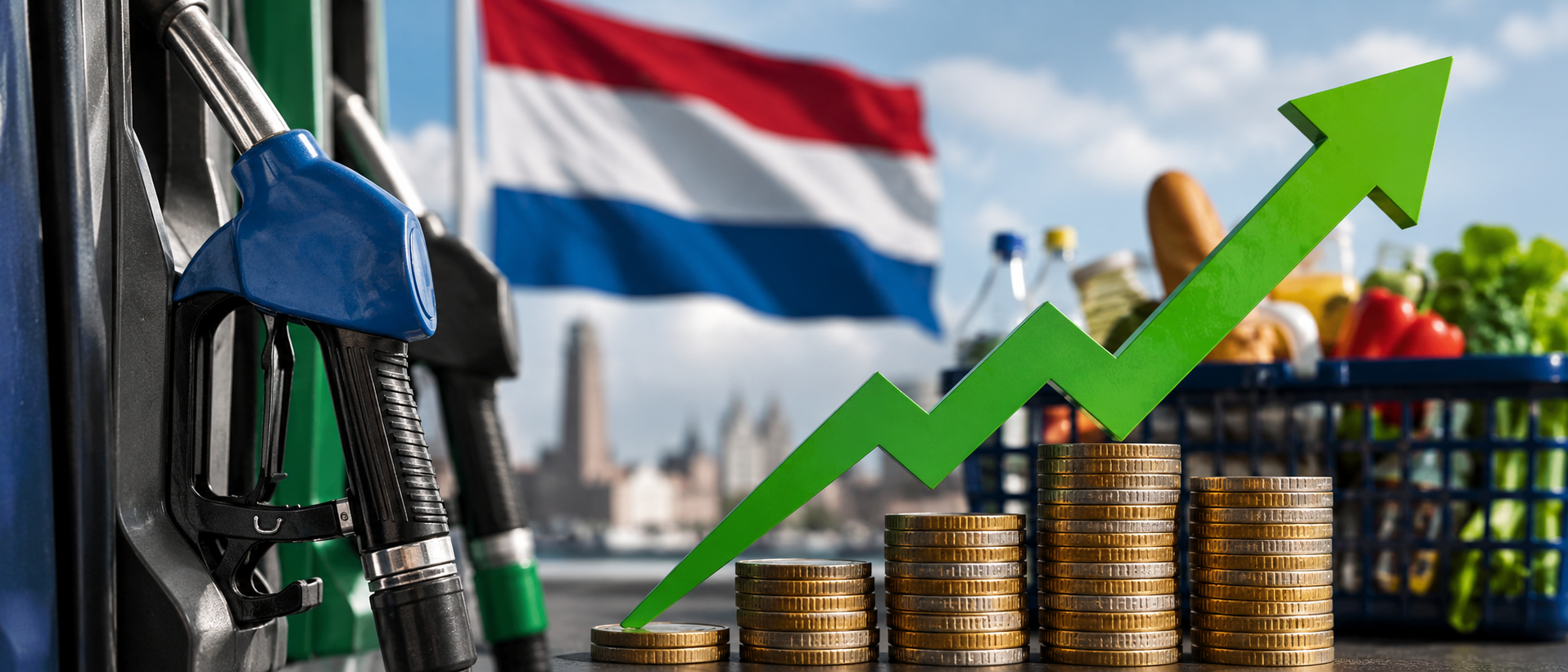
One of the factors for the increase in inflation in September is the rise in energy and fuel costs of upwards of 4 percent, in comparison to the same month one year before. In comparison, the annual increase year-over-year in energy and fuel in August was only 1.6 percent.
An increase in energy prices impacts households and businesses alike, with costs reflected across everything from electricity and heat to transport.
There is no end in sight for household finances, as continued rises in energy prices impact for many membersFor families, it translates into higher monthly utility bills, and for businesses, it means more cost of production and transportation.
Economists are of the view that these increases are often transmitted through the economy, impacting prices of goods and services regardless of energy
European Context
Taking inflation in the broader European context, the harmonized European measure excludes housing ownership costs, shows Dutch inflation was at 3 percent in September after being 2.4 percent in August.
The harmonized measure used in all EU member states gives a way to compare inflation rates across countries, and this measure helps put Dutch inflation into context with other European countries. Overall, it finds inflationary pressures across Europe, though they vary across countries as local conditions, energy prices, and supply-chain factors differ.
Eurozone Inflation Expectations
Later today, Eurostat will provide its initial estimates for the eurozone consumer price indices for September. Economists are anticipating eurozone inflation to be 2 percent this month, compared to 2 percent in August.
This will be an important number since it is signaling the overall stability of prices in the euro zone and likely the central bank's monetary policy intentions.
The increases in inflation in the Netherlands and the eurozone have implications related to interest rates, savings, and living costs. Central banks allocate significant amounts of time and resources to tracking inflation, since inflation in prices sustained over a period could erode the purchasing power of households and affect growth prospects.
Impact on Consumers and Economies
In the case of Dutch consumers, increased inflation equates to higher costs of everyday goods and services. Everything from grocery costs and mobility, through energy use, consumers are seeing a slow creep up in household costs. In this case, 3.3 percent is not alarming, especially not compared to some recent history, though it is a meaningful change to household budgets, and especially for those on a fixed income.
For businesses, increased inflation shows increased costs of operation. This is likely to factor into companies reevaluating prices for goods and services as they directly attempt to address the costs of operation. This can also have implications on whether or not consumers are going to choose to spend less on discretionary items, due to an increase in price in the good or service.
Economists would typically remark that moderate inflation is normal in a booming economy, and higher prices or inflation tends to have a higher price than there was previously, and with sudden increases, particularly tripling in some instances, can create significant pressures on consumers or the operation of businesses.