 1 year Ago
Spy Responsibilities
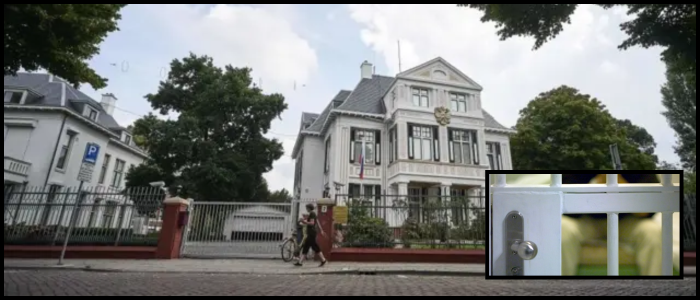
They were tasked with doing some hacking in The Hague, but authorities say they used what is called a "Wi-Fi sniffer" device when walking the streets around Europol, Eurojust and the Canadian embassy. Authorities indicated that the two suspects were contacted via the messenger app Telegram.
The arrests took place last Monday after a tip from Dutch intelligence (AIVD). One suspect has been detained for at least 14 days, while the other is under house arrest monitored by electronic devices. Both boys appeared on Thursday before examining judges.
Family Reaction and Potential Consequences
The father of one of the alleged spies described the raid as, "We live a quiet life, and then the next moment eight men with balaclavas storm into the house. They had a search warrant, went up, and said, Espionage – someone said. Providing services to a foreign power. We received very little explanation beyond that."
He characterized his boy as a good student, plays hockey and has a part-time job at a supermarket. "He doesn't go anywhere when he has free time and shows no desire to go outside to travel and explore the world. Who would know?"
Experts say that under the strengthened Dutch law against state interference, espionage charges can carry a maximum of eight years. Bart Schuurman, a researcher on Russian interference, called the allegations "unique for the Netherlands…" Schuurman continued to articulate that "disposable agents" are commonly used by foreign powers when they reach out to prospective spies on Telegram since they are anonymous, and it is much more difficult to trace them.