 4 months Ago
Widespread Disruption Across Key Routes
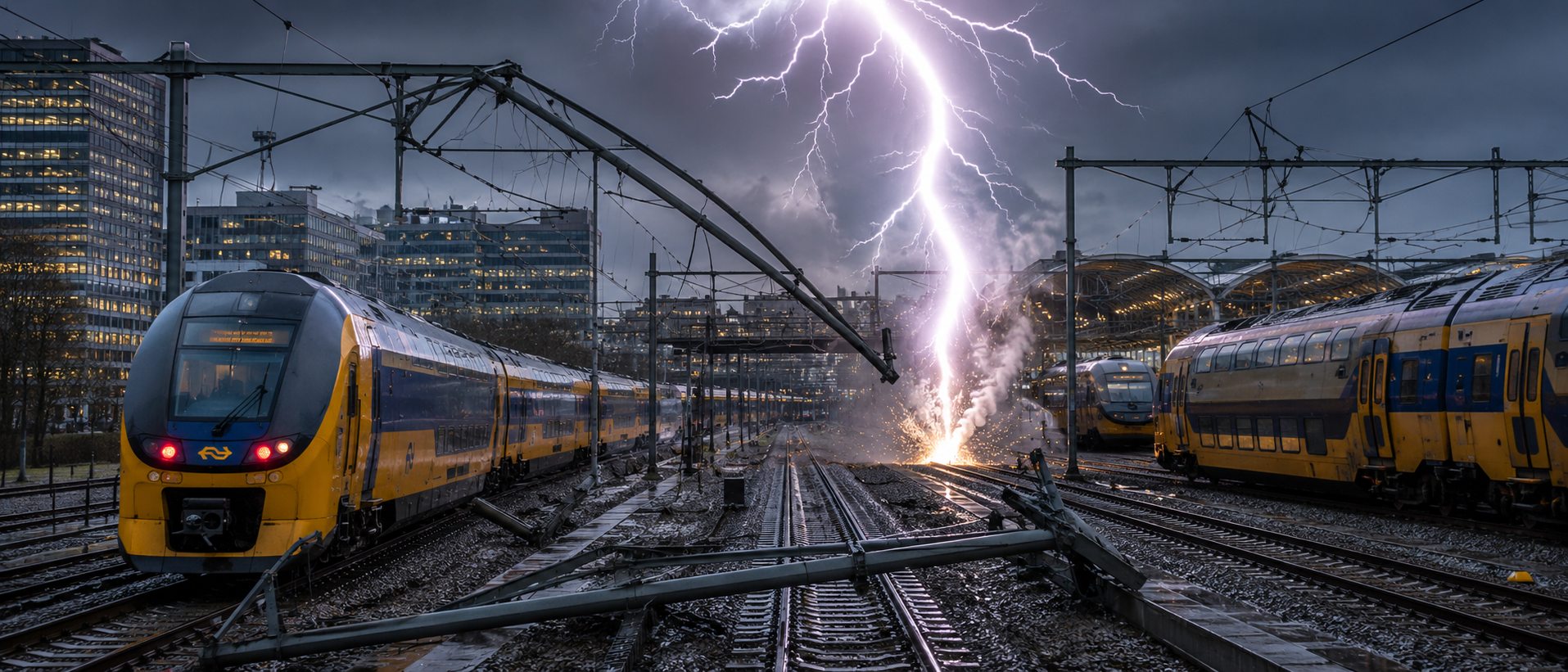
The damage occurred between Utrecht and Breukelen, where critical rail infrastructure was struck, leaving multiple systems offline. Rail infrastructure manager ProRail confirmed that an investigation was underway to assess the full extent of the damage before any repairs could begin. Until that assessment was complete, there was simply no way to confirm when trains would roll again.
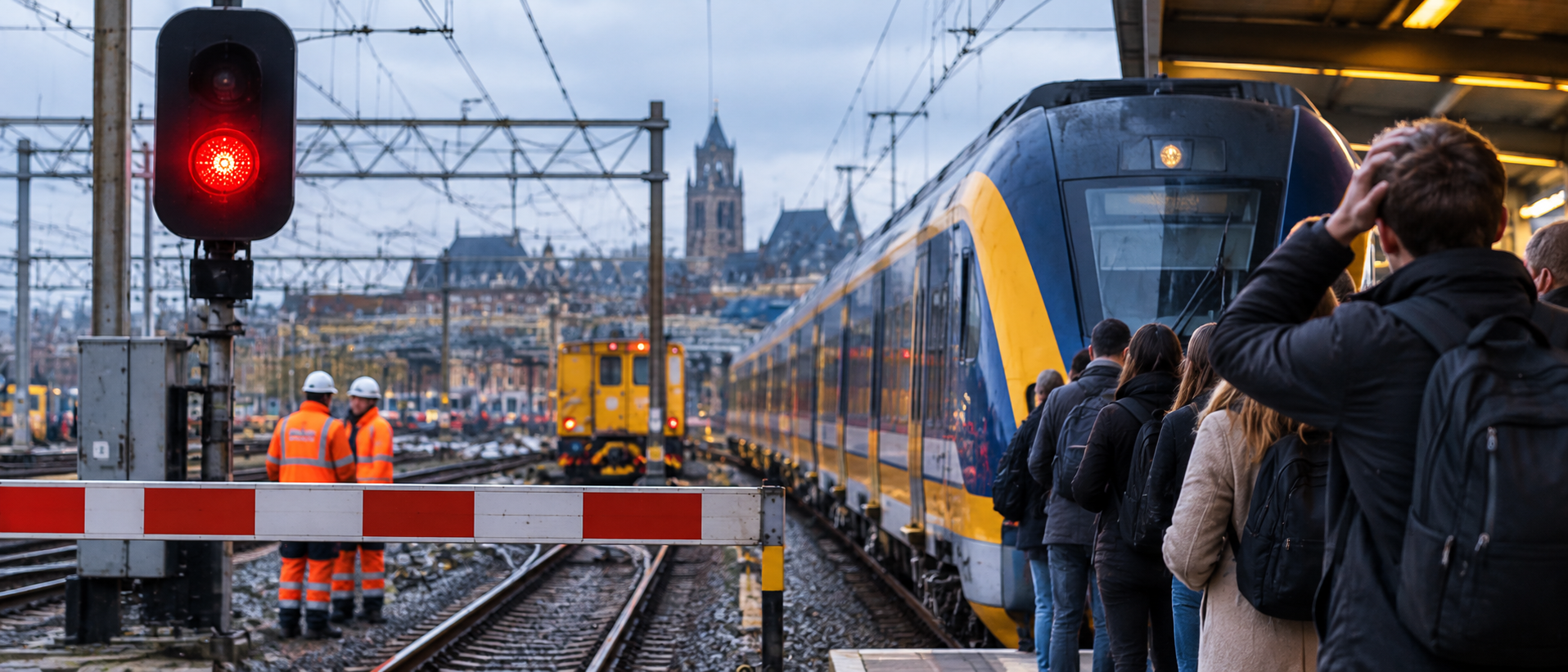
The disruption didn't stop there. Trains also stopped running between Utrecht Vaartsche Rijn and Driebergen-Zeist. On top of that, a separate lightning strike reportedly hit the power supply at the Kijfhoek freight yard in Zwijndrecht, causing multiple switches to malfunction and adding another layer of trouble to an already difficult situation.
Routes connecting Utrecht with Rotterdam, The Hague, Eindhoven, Arnhem, Amersfoort, and Gouda were all affected to varying degrees. Fewer Intercity trains were available on several of these corridors, and passengers were told to expect slower journeys and packed carriages.
What Passengers Were Told
The national railway operator advised travelers to delay their trips if at all possible or find alternative ways to get around. Those who had no choice but to travel were warned to build in extra time. Limited service was expected to resume from around 1 p.m., though disruptions could stretch well into the evening hours, potentially until 7 p.m.
Even after trains began moving again, a full return to the normal timetable was expected to take several more hours. Trains needed to be repositioned across the network before regular service could properly restart. Utrecht's central role in the Dutch rail system made the situation particularly complicated — nearly every major route in the country passes through it in some way, meaning a problem there doesn't stay local for long.