 4 months Ago
What the Pass Offers and How It Works
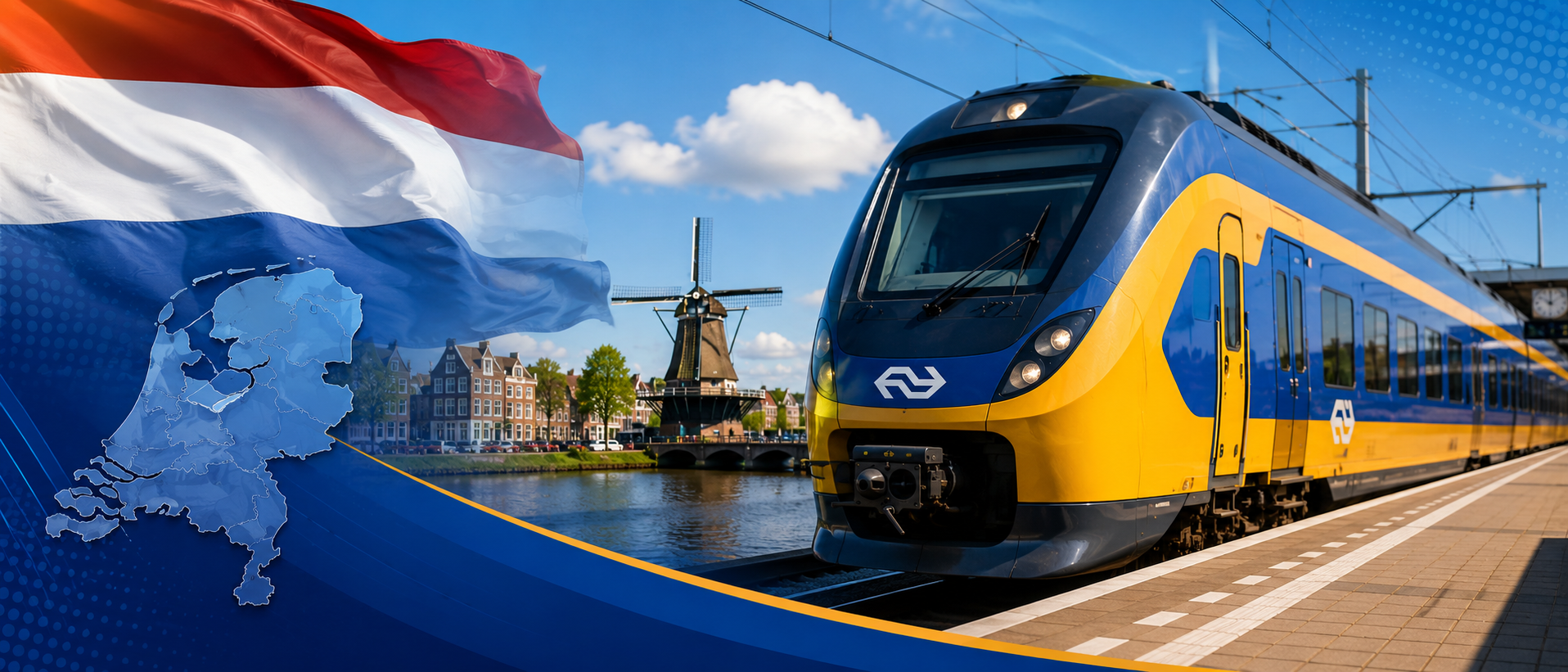
At just 49 euros per month, the Nederland Dal Vrij Trein gives holders unlimited off-peak train travel across the Netherlands. It will be available through the NS website as well as at ticket machines located at stations. People who already hold an NS Off-Peak Free subscription will also benefit from the reduced rate automatically.
The subscription runs through August 31, covering roughly 2.5 months in total. However, travelers can only subscribe for a maximum of two months, and any renewal or extension works on a full monthly basis. One important detail: the pass will still operate through the OV-chip card system, even as transport operators continue phasing it out. Bertram confirmed this transition should not be disrupted by the new scheme.
Why the Government Introduced This Deal
The initiative came about at the request of several political parties, including GroenLinks-PvdA, largely in response to rising energy costs tied to the conflict involving Iran. The goal is to encourage more people to use public transport during the summer months.
Bertram acknowledged uncertainty around demand. "It is not yet possible to say how many people will make use of this product," she said, noting it is something entirely new for the Netherlands. Rail operators will maintain their existing timetables regardless of how ridership changes. As for extending the offer into September, that is off the table. Authorities want to avoid overcrowding during what is traditionally the busiest month of the year for train operators.