9 months Ago
CAVV Encourages Proactive Defence
The CAVV report underlines the fact that a country need not be able to stop genocide on its own but must do "whatever is minimally available" it can do towards preventing it. This ought to include steps such as those that might discourage would-be or actual genocidal perpetrators. The committee recommended a range of possible approaches, such as public denouncements, tighter visa restrictions, and financial asset freezes.
The report specifies that, when diplomatic means of prevention have been exhausted, the Genocide Convention calls for countries to apply stronger diplomatic pressure and rethink their policy. The International Court of Justice said genocide has not been proven, but it also ruled that "there is a real and imminent risk" of irreparable prejudice to the rights protected under the convention. This is sufficient to trigger exercisability of a nation´s international law responsibilities (CAVV).
Situation in Gaza Raises Alarm
International law experts, along with several human rights organisations, accused Israel of committing a genocide against the Palestinians of the Gaza Strip. The ongoing conflict, which started on 7 October 2023 and claimed the lives of more than a thousand Israelis in just one day when Hamas initiated an attack, has only compounded the existing humanitarian crisis that already ravaged Gaza.
For the fifth time since this began, which according to AFP now shows Israel having killed at least 60,933 people in Gaza, including 18,430 children. That is the equivalent of one in every 36 people living in Gaza being killed in the conflict, with more than 90 deaths daily. Some are still missing under the rubble, so these figures are estimates. To one side, more than 150,027 have been wounded, with 40,500 children and babies also included.
The penury of food has exacerbated the crisis. Starvation caused by blocked aid access has killed at least 180 people, including 93 children and babies. Today, one in ten children in Gaza is starving.
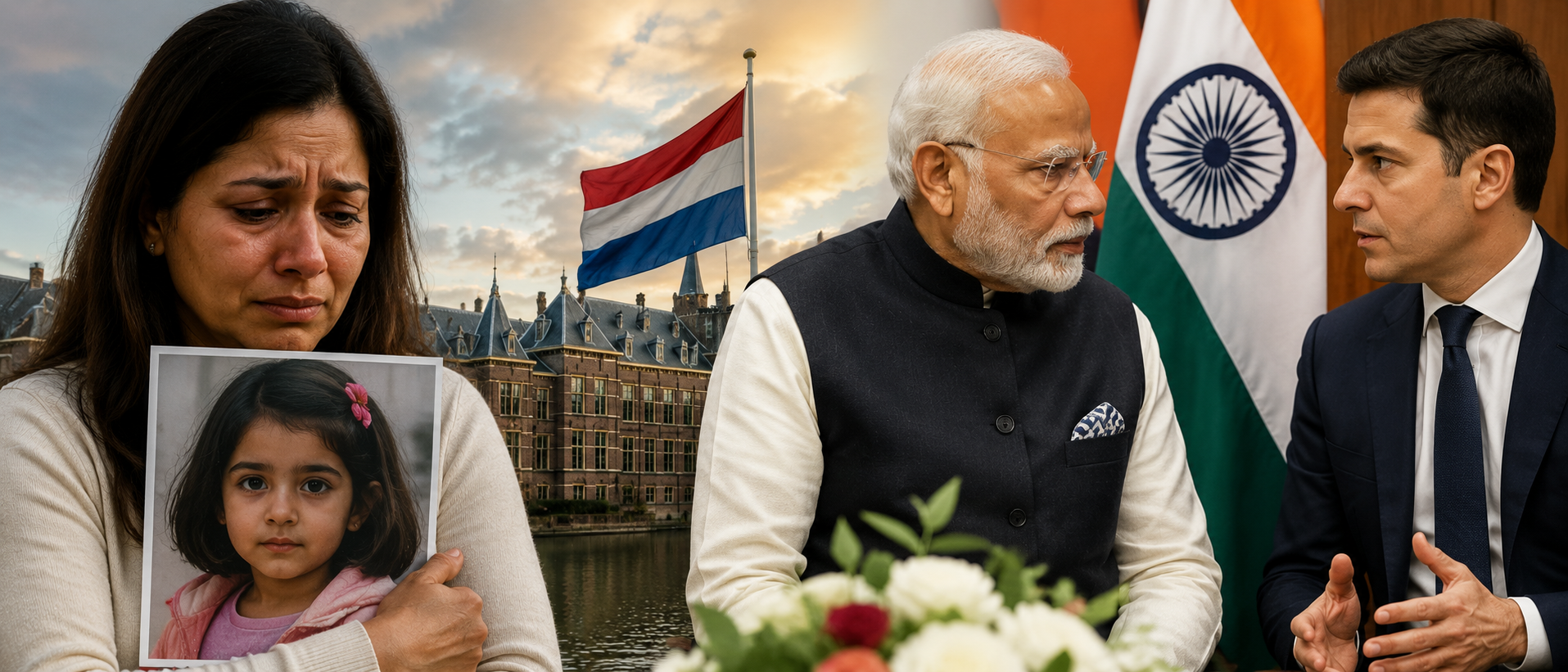
The Dutch government has thus far primarily leaned on its diplomats in treating the matter. Yet, of late, it has adopted increasingly firm stances such as denying entry to two Israeli ministers from the far right. More robust steps would likely be necessary in line with the country's legal and ethical obligations, according to the CAVV report.