1 year Ago
Critical Materials and their Global Significance
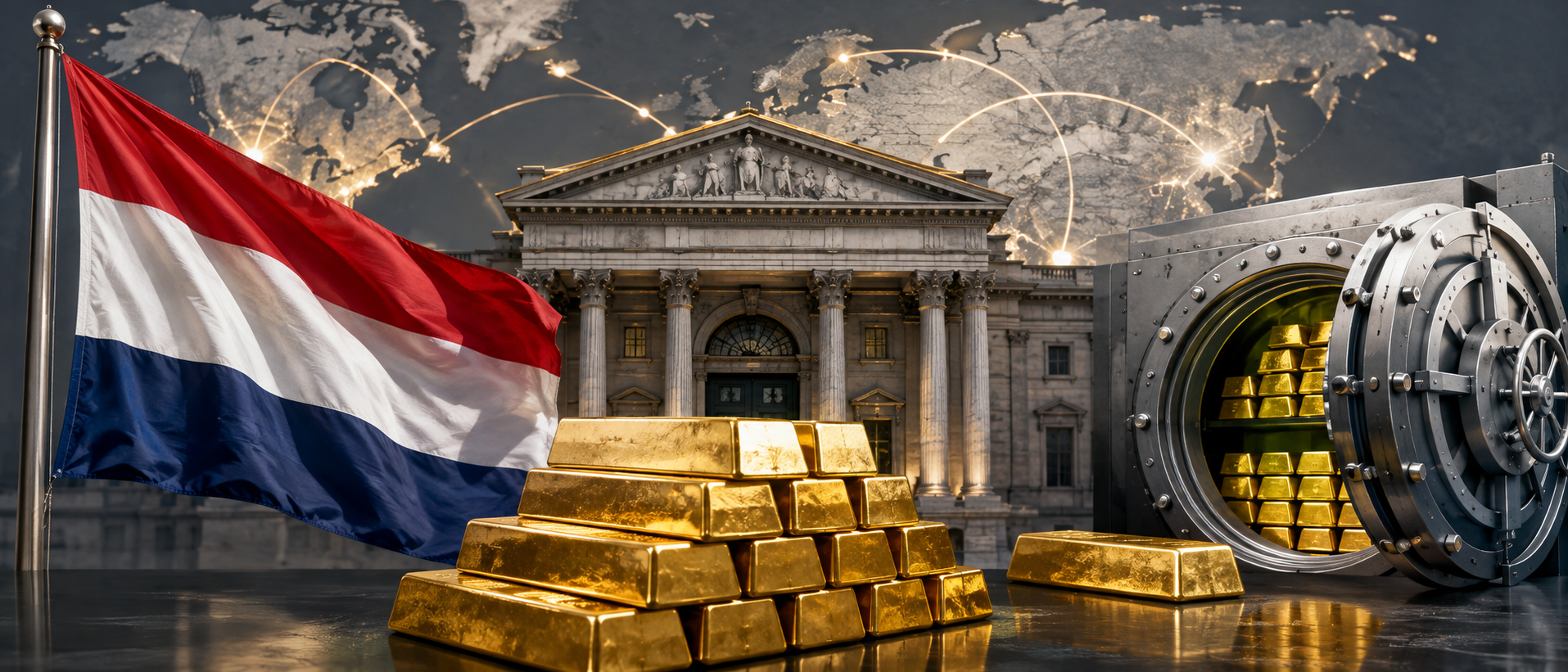
Resources, in particular cobalt, rare earth metals, and lithium, are in significant demand across the world and are essential inputs to green energy processes, technology, healthcare, defence systems, and nearly everything that is produced, such as solar panels, microchips, batteries, etc. Their limited availability and vulnerability to supply chain shocks mean it is difficult to substitute or replace materials.
The Netherlands gets the majority of its barite, bismuth, cobalt, magnesium, manganese, strontium, tantalum, and fluorspar from China. Thus, with those figures, China is the Netherlands' largest supplier of critical materials, and Germany is second. The total supply of critical materials into the Netherlands was valued at €22.3 billion in 2024, including materials that were re-exported around Europe.
China's Global Supply Role
China holds the lead in the global critical materials marketplace. It is the leading extractor of 11 unique materials and has the largest reserves for 9 of the 11. Following in production are the US, South Africa, Turkey, and Congo, but not with China's production capacity. Additionally, China holds the largest processing volume of 19 critical materials, so they are at the centre of the global supply mechanism for critical materials.
Through finished products, critical materials also continue to flow into the Netherlands. In 2024, the Netherlands imported €58.4 billion worth of materials and products, which contained critical materials, mostly from China. Definitions for products include laptops, tablets, solar panels, mobile phones, routers, lithium-ion batteries, inverters, components for computers, and everything else. Again, roughly half of the products that were imported did not stay in the Netherlands and were transported to other European countries.