 5 months Ago
Protests and Arrests Overshadow the Ceremony
The trouble began before the 8 p.m. observance even started. Nine demonstrators, among them activist Frank van der Linde, were detained after refusing to move to the designated area for protests. They had been carrying signs, including one that read "Nooit meer is nu!" — Dutch for "Never again is now!" Police gave them the chance to relocate, but when they refused, officers stepped in.
Three more individuals were arrested beforehand for shouting and disturbing public order. Then, at the most sensitive moment of the evening, a man began shouting during the two minutes of silence itself and was taken into custody. Despite it all, the silence was described as passing nearly without incident overall.
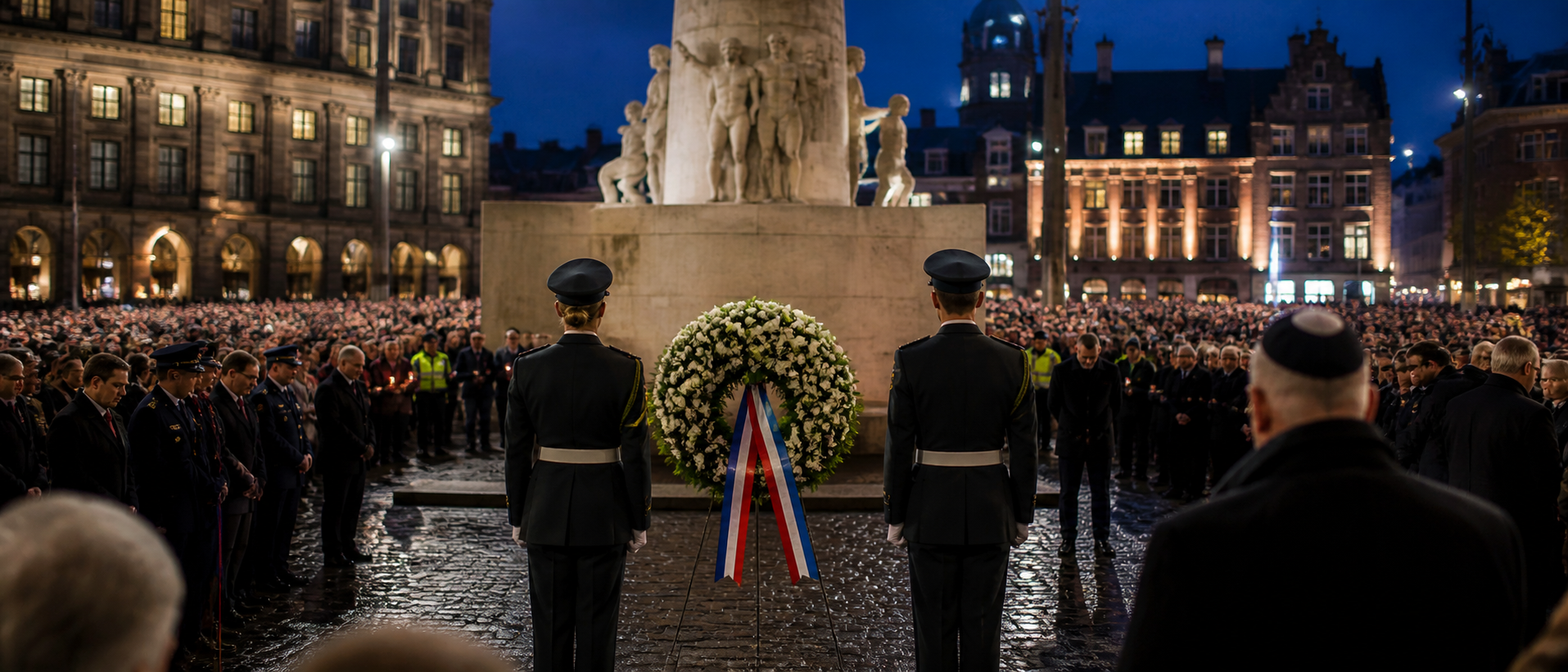
King Willem-Alexander and Queen Máxima attended the ceremony, laying a wreath at the National Monument as is tradition. Amsterdam Mayor Halsema called the evening a success, saying it was a dignified and beautiful commemoration, and thanked police, emergency services, volunteers, and cleaning crews for making it possible. The scene, however, reflected a growing tension that has surrounded this ceremony in recent years. Last year, two people were arrested after the silence for shouting "Free Palestine," and in 2024, attendees were required to register in advance. Capacity at the Dam was not full, continuing that same cautious trend.
A Nation Pauses to Remember
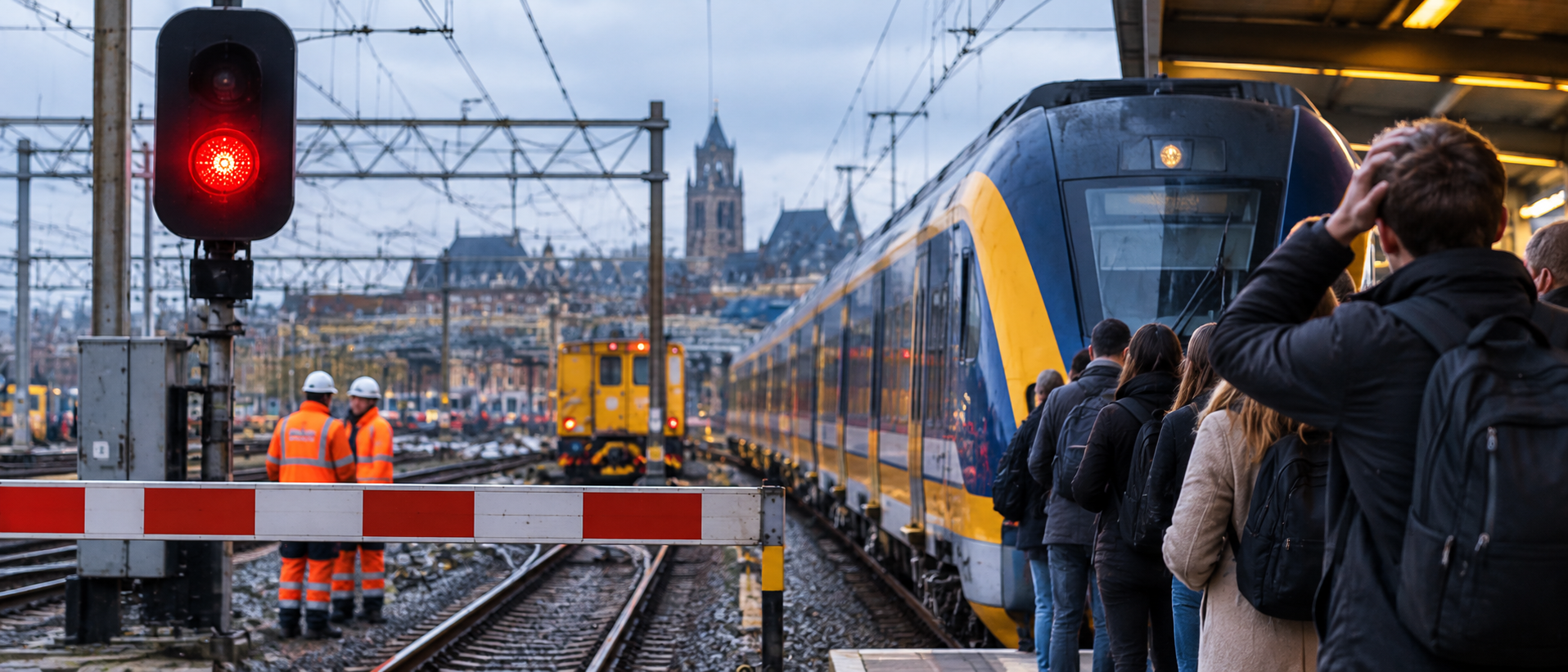
Across the Netherlands, the remembrance was felt far beyond Amsterdam. Trains came to a complete stop nationwide for the two minutes of silence, and railway stations fell quiet so both passengers and staff could take part. Ceremonies were held at several historically significant locations, including the Waalsdorpervlakte — a site between The Hague and Wassenaar where more than 250 resistance fighters were executed by Nazi forces during the occupation. Silence was also observed at the former concentration camp Kamp Amersfoort, where tens of thousands were once imprisoned, and at the National Military Remembrance on the Grebbeberg near Rhenen.
Earlier in the day, nearly 4,000 Dutch war dead were honored at the cemetery in Loenen, Gelderland, through music, a minute of silence, the first verse of the national anthem, and wreath-layings. Around 500 people attended an alternative remembrance on the Lange Voorhout in The Hague, now in its second year and organized by former officials and diplomats.
As remembrance wound down, Liberation Day began. Shortly after midnight on Tuesday, the Liberation Flame was lit in Wageningen outside Hotel de Wereld — the very place where German forces signed the retreat order on May 5, 1945. Wageningen Mayor Vermeulen lit the flame alongside 105-year-old Dutch veteran Johan Geneuglijk and 103-year-old British veteran Robbie Hall. Geneuglijk reflected simply but powerfully: the liberation demanded enormous sacrifice, and that must never be forgotten. The ceremony also honored the story of Klaartje de Zwarte-Walvisch, a Jewish woman imprisoned at Kamp Vught in 1943 before being deported and murdered at Sobibor, portrayed by actress Hanna van Vliet. About 2,500 relay runners then carried the Liberation Flame onward to municipalities across the country.