1 year Ago
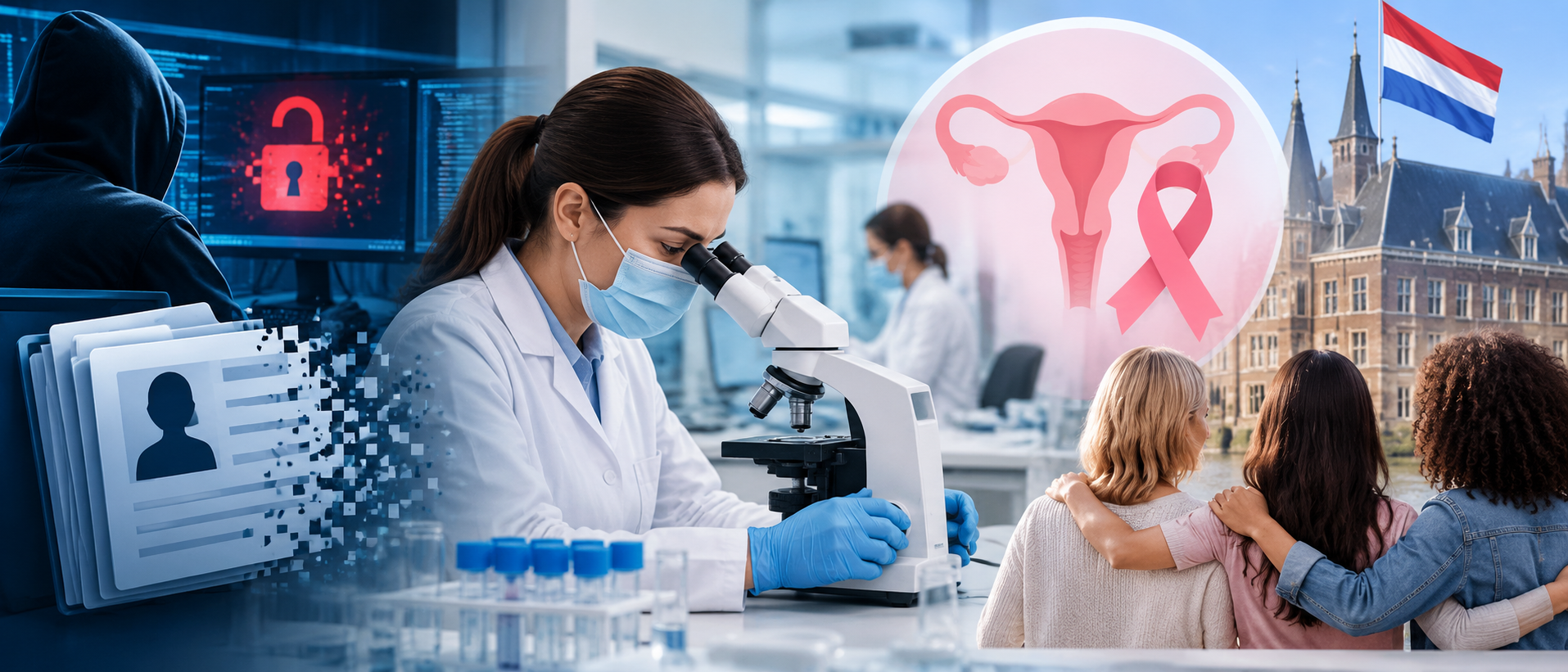
Demissionary Health Minister Jansen presented the National Women’s Health Strategy (Nationale Strategie Vrouwengezondheid) on Friday – a program that will support a €27,5 million budget stretched over the next five years.
Of the overall sum, 15 million euros will be allocated to research into diseases that affect women uniquely or more severely. Another €12.5 million is designated for research on pregnancy and childbirth.
Medical Research Needs to Play Catch-up
Quoting Minister Jansen explains that for decades, most scientific research was carried out on a male body and then conclusions were applied to women automatically.
But that premise has turned out to be deeply flawed. “Conditions affecting men and women tend to manifest differently in women,” she said. In addition, some conditions — endometriosis and pelvic disorders, for example — predominantly affect women and are woefully under-studied.
One example Jansen pointed to was the years-long diagnostic delays for endometriosis, a chronic disorder where tissue resembling the lining of the uterus grows outside the organ.
“Today, it now takes on average seven to twelve years before a woman receives a diagnosis,” she described, noting that in that period women are in pain, are experiencing a lower quality of life, and are subjected to unnecessary health care costs.
A National Network for Women’s Health
The new strategy also stresses the importance of improved information sharing. A nationwide network will be set up that connects researchers, health care providers, businesses, insurers, and patient associations.
Together, they will help populate a public platform that provides up-to-date and comprehensible information on women’s health.
“The end goal,” said Jansen, “is that women get the care when they need it.”
Through reducing longstanding disparities in medical understanding and treatment, the Dutch government wants the strategy to help improve women’s health and drive down long-term costs for society.