 1 year Ago
Intentional Silence Fueled Fear and Misinformation
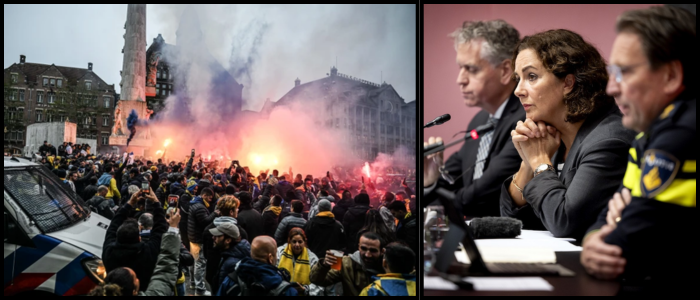
The report focuses on a 90-minute wave of violence against people thought to be Jewish, Israeli or supporters of Maccabi. Even as the incidents wound down, false accounts about them continued to spread on social media, including false claims of hostages, manhunts and pogroms. "The authorities shared very little or nothing during the night," the report states, a decision officials later conceded was made deliberately, because they had no facts yet confirmed that they wished to add to the rumors.
But that silence was also a source of fear on the part of Maccabi fans and added to the simmering disinformation. At the time, police said they had 'contained' the situation, but with no further announcements, members of the public grew alarmed. Only two pieces of official information came: a police update at 1:40 a.m. and a terse statement from the city at 9 a.m. condemning the violence. A fuller reply was put off until a press conference three and a half hours later.
Demand for Improved Crisis Communication in the Future
The reaction spread more widely. Firebrand Dutch politician Geert Wilders called the events "a Jew hunt," Dutch Prime Minister Dick Schoof issued a statement, and Israeli Prime Minister Benjamin Netanyahu arranged for evacuation flights home. This combination of real and fake reports over the course of several days was a deeply unsettling experience that continued to drive public anxiety, the report said.
The cautious communication has been defended by Mayor Femke Halsema, who said premature commentary could confuse the region. "Fact-finding must always precede informing the public," she said to the city council.
But the report's authors urge local authorities to focus more on the reduction of risks, even if all of the facts are not known. Another review also criticised the "scrambling" of politicians and media to take a position before the facts had been established, cautioning that this put too much strain on the public and police forces in question.