 1 year Ago
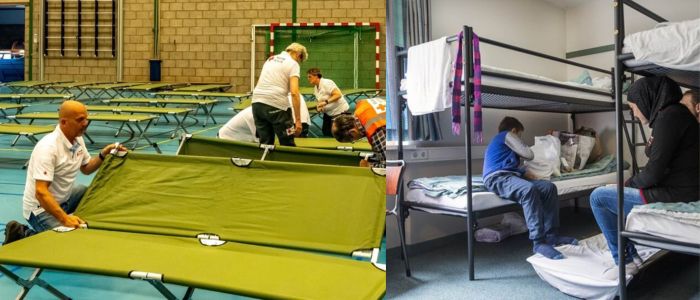
COA has repeatedly cited the high expenses of emergency shelters, where asylum seekers often stay for a short period before being shuffled elsewhere. This patchwork system perpetuates a cycle of chaos, what the agency now refers to as “the mother” of all challenges in the reception.
Emergency Shelters Unsustainable
Joeri Kapteijns, Director of COA, even stated that sustainable funding is crucial next to the implementation of the Asylum Distribution Law. “We are not asking for more money, but for wiser spending,” he says. “Peace and stability on reception are both important for residents and staff and also for the municipalities.”
Its demand has been for the government to enact multiyear financing that makes it possible to establish solid basic reception centers. When not used for asylum reception, these facilities could serve other housing requirements, maximizing their use.
Due to short term budgets at COA, they have a difficult time obtaining long term agreements from municipalities even though the Asylum Distribution Law encourages municipalities to open shelters.
Other municipalities demur, realizing COA cannot guarantee continued funding. Therefore, constant dependence on expensive emergency sheltering persists as families are uprooted and moved, which has a detrimental effect on our children.
Political Uncertainty Weighs on It pressure on for it
The future of the Asylum Distribution Law is unclear. The upcoming Schoof I Cabinet aimed to dismantle this, however it was thwarted when the government fell after internal infighting between PVV leader Geert Wilders. The PVV is now trying to repeal the law by means of an amendment to the Asylum Emergency Measures law which will be debated on Thursday in parliament.
MP Marina Vondeling (PVV) is also working on a plan to criminalise being without papers. COA is currently calling on the Cabinet to include in the next national budget structural multi-annual funding, in order to guarantee a more humane, less expensive, and more stable asylum reception.