 5 months Ago
A Decade of Rise, Then a Steady Fall
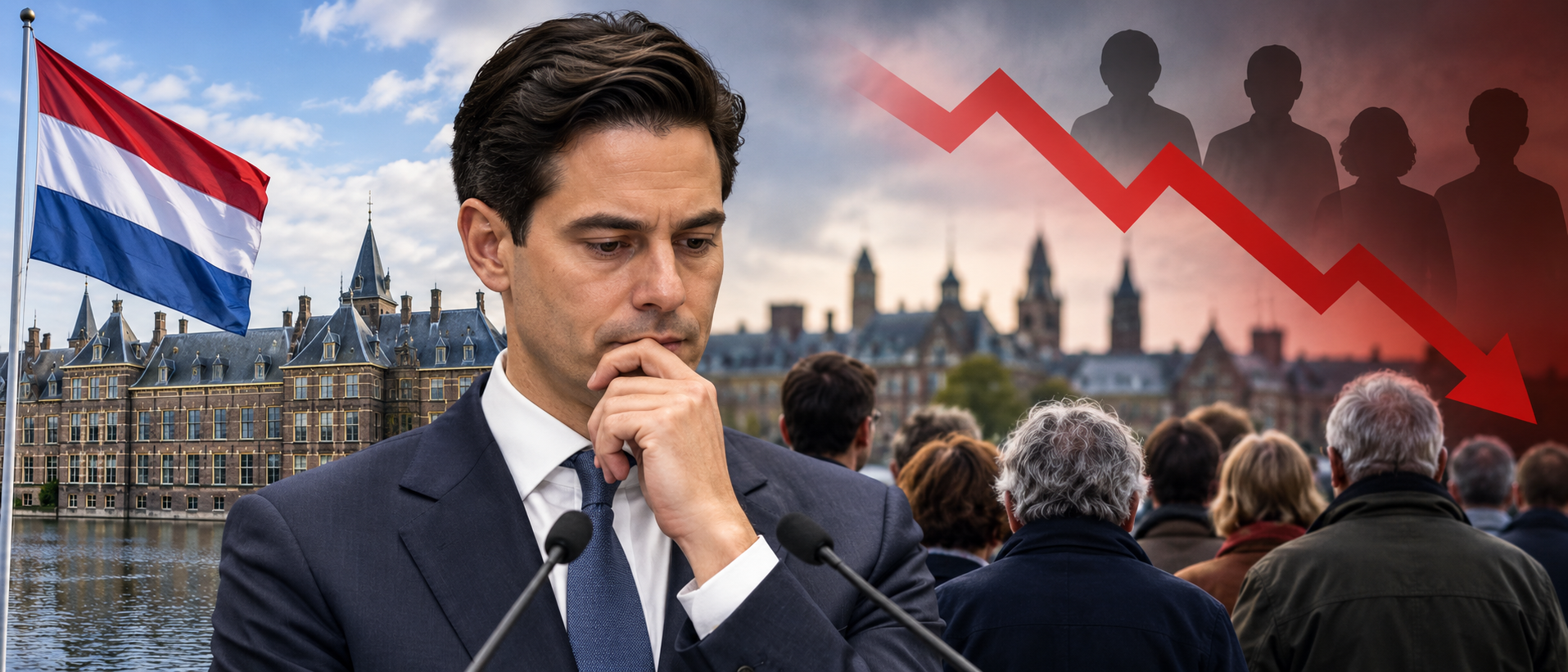
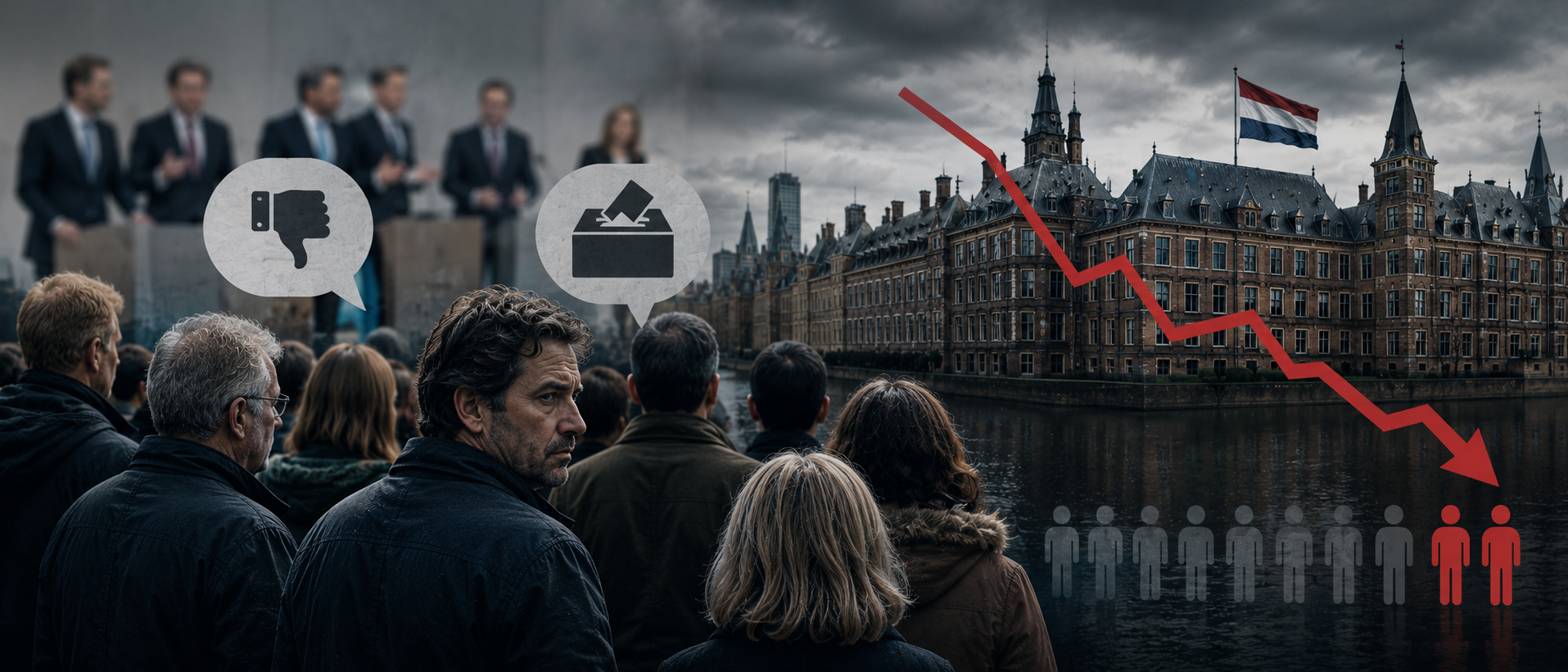
It was not always this bleak. Through most of the last decade, trust was actually climbing. By 2020, nearly 40 percent of Dutch people had confidence in their politicians, and more than half viewed parliament favourably — figures that reflected a relatively healthy relationship between the public and its institutions. Then came the coronavirus pandemic, and something shifted. Confidence began slipping year after year. By 2025, only 21.2 percent trusted politicians in The Hague, and parliament's approval had fallen to just 24.6 percent. There was a brief pause in that decline in 2024, but it did not last.
That said, some perspective is worth keeping in mind. Despite the sharp drop, Dutch confidence in politicians and parliament still sits relatively high compared to most other European countries — a sign that the erosion, while real, has not yet reached the depths seen elsewhere on the continent.
Who Trusts Whom, and Where
The generational divide in these numbers is genuinely interesting. Young people between 15 and 25 are actually the most trusting of political institutions, while those aged 65 to 75 are the most sceptical. CBS sociologist Tanja Traag has a straightforward explanation for this. Younger people have not yet accumulated enough political experience to form firm judgments, so they tend to give institutions the benefit of the doubt. Older people, on the other hand, have lived through enough political disappointments to view things more critically.
Geographically, trust is not spread evenly either. In the northeast of the country, only about a third of residents expressed confidence in political institutions on average between 2016 and 2025. In the Randstad regions, that figure was considerably higher at 45 percent — a gap that points to a deeper urban-rural divide in how people relate to national governance.
Where trust is actually growing is at the local level. Confidence in municipal councils has risen every single year since it was first measured in 2022, reaching 55 percent in 2025. Traag suggests this is because people tend to know their local representatives personally and see them dealing with issues that directly affect daily life. Confidence in civil servants and the European Union also remains solid, with roughly half the population expressing trust in both — a notable contrast to the mood around national politics.