 1 year Ago
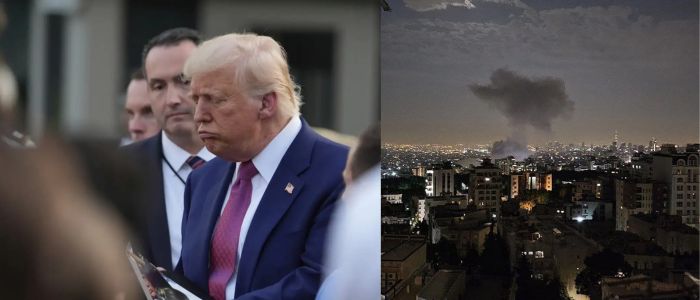
The U.S. government promptly distanced itself from the raid, referring to it as a “unilateral” act by Israel. Talking to Fox News, Secretary of State Marco Rubio stressed the United States was not involved in the strikes and warned that Iran should not retaliate against American personnel or embassies.
“Our priority remains the protection of U.S. forces in the region.” He also said the Israeli government had explained the action as being “necessary for its self-defense.”
Confusion as diplomatic efforts fall apart
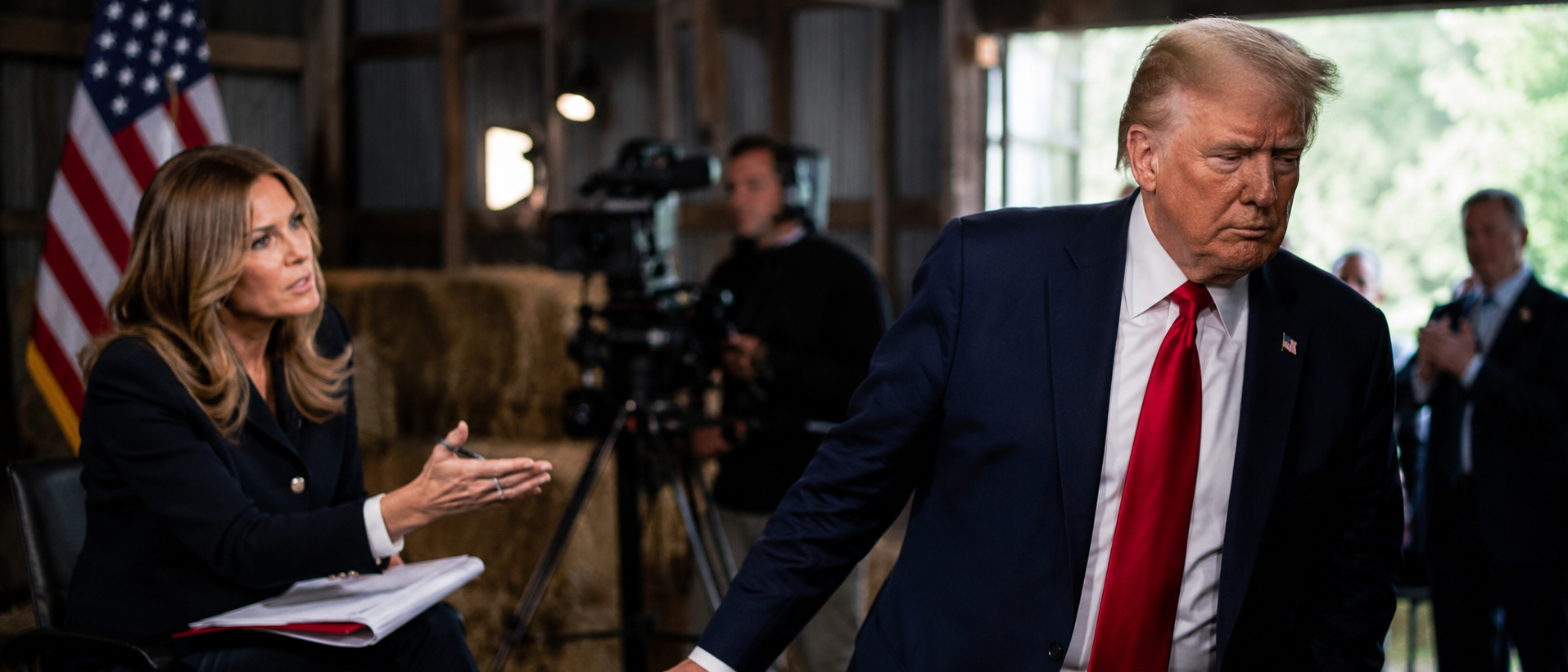
The strikes followed only hours after President Trump had urged Israel not to go forward, saying that he prefers a diplomatic resolution and that a military strike could “blow up” ongoing talks with Iran. Trump had hoped to reach a new deal that would keep Iran from developing nuclear weapons, saying, “We are not very far from a good agreement.”
These comments came after Trump had already ordered non-essential US staff to leave regional bases earlier in the week fearing a potential escalation. The US envoy, Steve Witkoff, was also gearing up for the sixth round of talks with Iranian officials in Oman, thought to be a last chance to keep diplomacy hanging on.
Israel’s move, on the even of new talks, raised suspicions among Israelis opponents that it was intended to torpedo the talks.
Some US officials acknowledged that it seemed there was a divergence of policy between Washington and Jerusalem. There had also been contradictory reports about whether the strikes had been coordinated with the US, with an Israeli media outlet reporting they had, while US officials claimed they had not.
Detractors point to past policies as a cause of today’s instability.
Some critics contend that Trump administration policies — most notably its exit from the 2015 nuclear agreement, the Joint Comprehensive Plan of Action (JCPOA) — have made the Middle East more dangerous, with war a more likely prospect. That move, they argue, undermined attempts to limit Iran’s nuclear development and diminished American leverage in the region.
“The attack was a deliberate attempt to undercut diplomacy, just as the president and administration were working to restore credibility to the United States’ position on the Iran nuclear agreement,” said Senator Chris Murphy (D-Connecticut), adding that it was an indication of how little trust both friends and foes have that US leadership can be trusted.
“This is a disaster of Trump and Netanyahu’s making,” he said, adding that the region stands at the brink of a fresh, potentially catastrophic, conflict.
He said that Iran likely would not have made as much progress toward nuclear capabilities by now if the original deal had remained in place. “Iran would not be this close to a nuclear weapon if Trump and Prime Minister Netanyahu hadn’t recklessly and rashly killed the nuclear agreement, which put a lid on Iran’s nuclear abilities and united the world in containing Iran.”