 3 months Ago
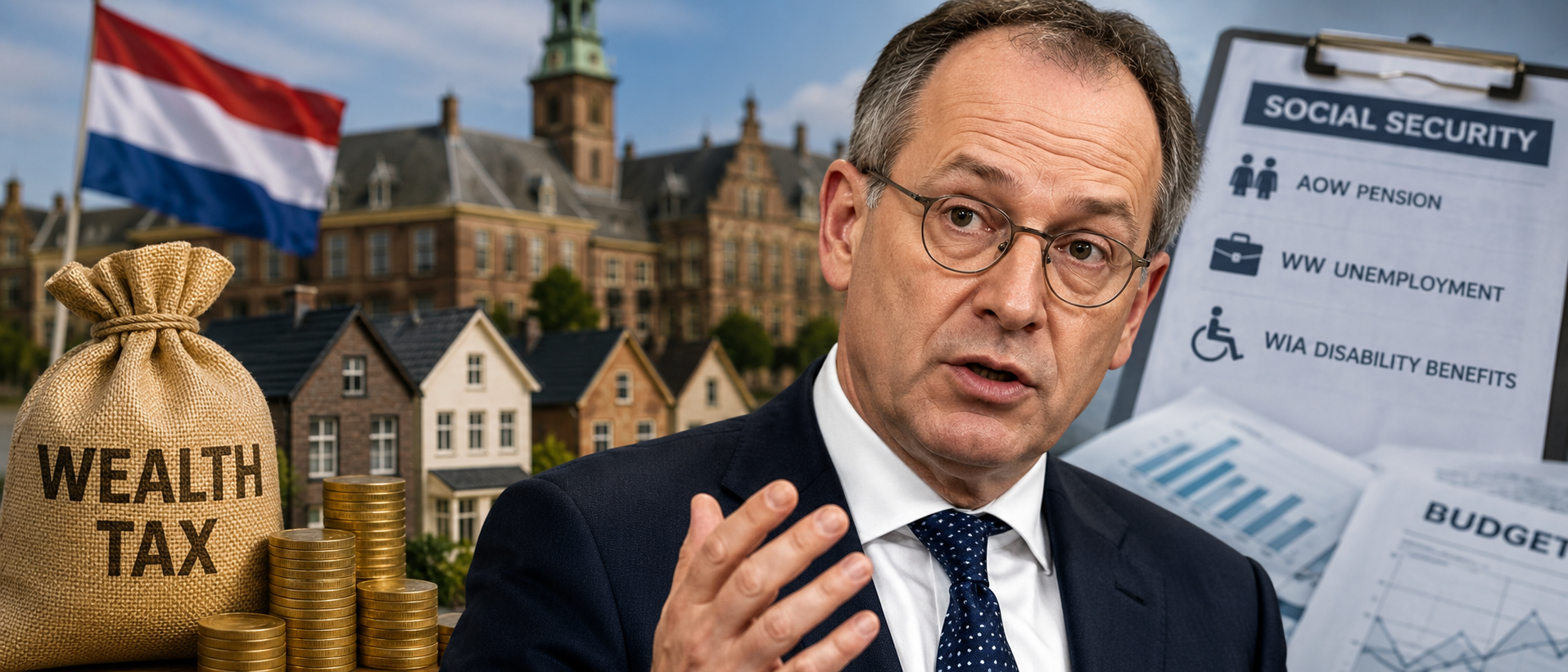
Discussions between the Cabinet, labor unions, and employer groups over the future of the country's social security system have hit repeated roadblocks. The proposed cuts touch some of the most sensitive parts of the welfare system, including the state pension scheme known as AOW, unemployment benefits under the WW program, and disability support through WIA. Among the ideas being floated are trimming how long people can claim unemployment benefits and overhauling disability benefit rules to bring costs down. Pension policy and healthcare spending are also part of the broader cost-cutting conversation.
Minister Wants Wealth Tax Kept in Play
Speaking about the ongoing negotiations, Vijlbrief made clear he doesn't want to take a higher wealth tax off the table just yet. He explained that if the eventual agreement with unions and employers falls short of the savings targets laid out in the coalition's own budget appendix, the government will need another way to close the gap. "A higher tax on wealth should not be taboo," he said plainly.
The minister also expressed a broader preference for raising new revenue over slashing existing government commitments. He argued that a Cabinet unwilling to act on either front, spending or revenue, risks accomplishing very little. In his words, he'd rather lead a Cabinet willing to move on both sides of the equation than one that freezes up entirely.
As an example of a policy worth protecting, Vijlbrief pointed to the government's push toward offering free childcare. He said he feels the country is essentially at a point where delivering on that promise can no longer be delayed.
Coalition Divide and Wider Wealth Gap Concerns
Not everyone in the coalition shares his enthusiasm. VVD, one of the governing partners, has consistently opposed higher wealth taxes as a matter of general policy, insisting instead that the planned multibillion-euro cuts should proceed as intended. Vijlbrief acknowledged he understands where VVD is coming from, but noted that his own party, D66, has red lines of its own that it isn't willing to cross either.
The debate arrives against a backdrop of growing concern over inequality. Earlier this year, the Bureau for Economic Policy Analysis, the country's economic advisory body, reported that the current tax system has done little to narrow the wealth gap and in certain respects has actually made it worse. Its findings showed that the richest households have seen their incomes climb considerably faster than the rest of the population over the last ten years, adding fresh urgency to the question of who should shoulder the cost of the country's next round of budget decisions.