 3 months Ago
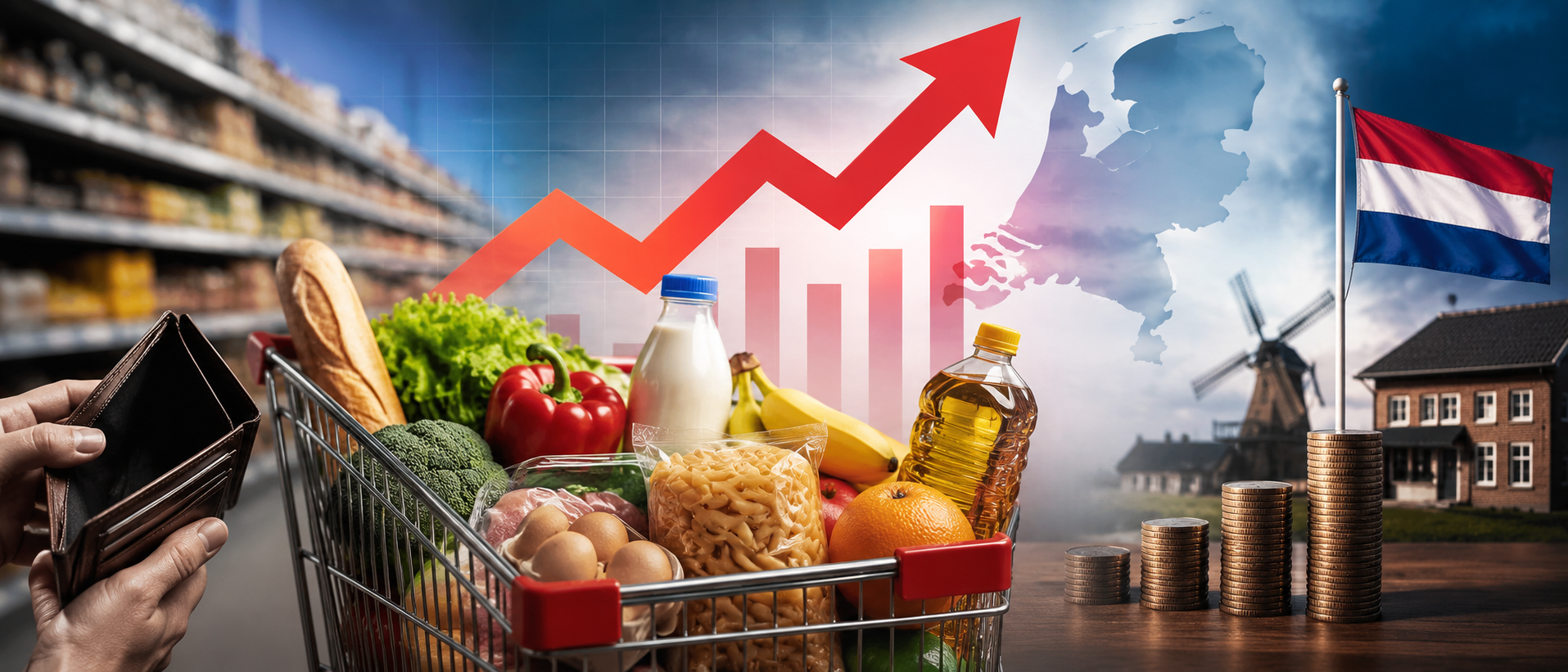
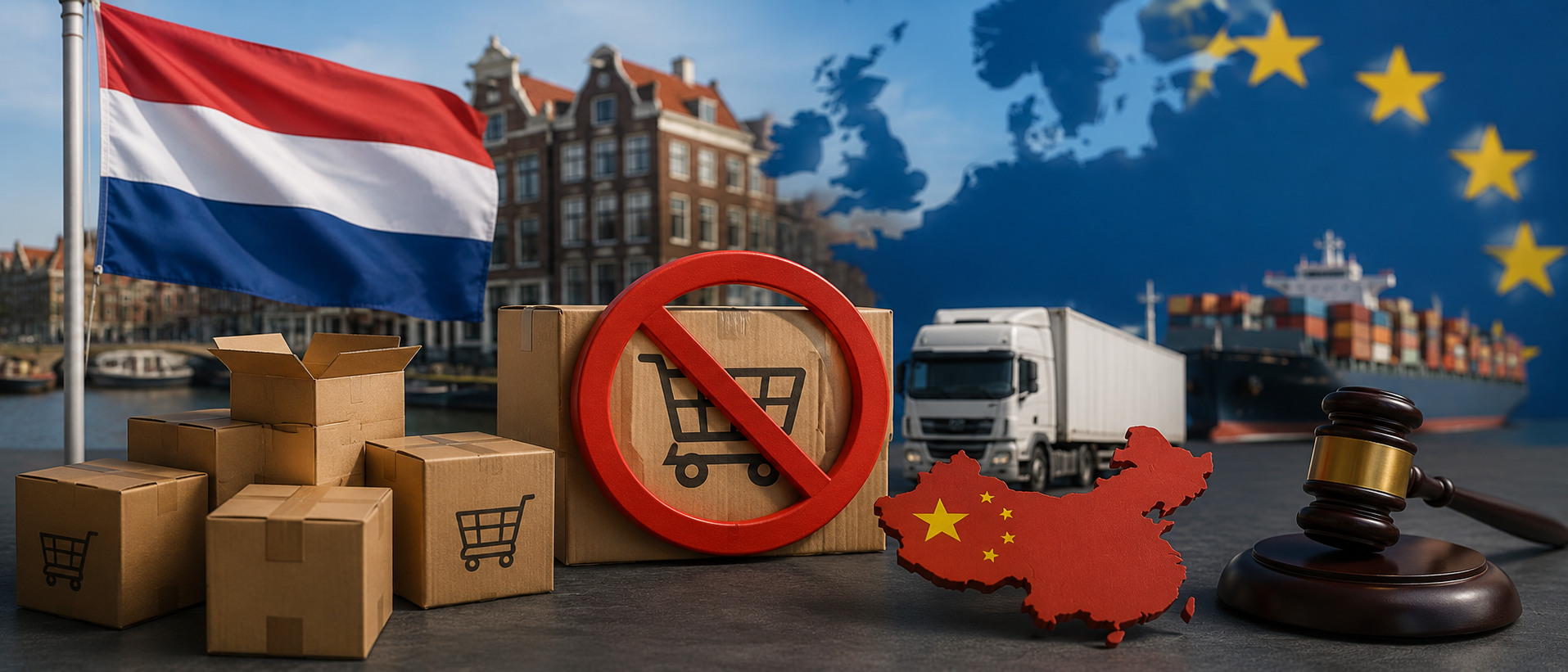
It marks a notable reversal from just a few months ago, when the previous caretaker Schoof I Cabinet moved quickly to announce the fee. The plan was to charge €2 per order line on incoming Chinese parcels, which would have made the average order roughly €6 more expensive for Dutch consumers.
How the Plan Unraveled
The urgency behind the original proposal had a clear trigger. Several neighboring countries — Belgium, France, and Luxembourg — had announced their own parcel taxes around the same time, and the Dutch government grew concerned about the knock-on effect. If those countries made it harder to receive packages from China, there was a real risk that online retailers would simply reroute shipments through the Netherlands instead, flooding Dutch customs with an even greater volume of parcels. Dutch customs services were already under pressure, and the government feared the situation could spiral.
That concern, however, lost much of its weight when most of those neighbors stepped back from their own plans. In the end, France was the only country that actually followed through and introduced a national parcel tax. Belgium and Luxembourg chose to hold off, waiting for Europe to move first. With the threat of being used as a transit hub significantly reduced, the Dutch rationale for rushing ahead weakened considerably.
Waiting on Europe
There is another reason the Dutch government felt comfortable pulling back. The European Union has already approved a €3 import fee on parcels coming from outside the bloc, and the Netherlands is now waiting for that framework to take effect. Rather than building a separate national system and then having to reconcile it with EU rules later, the government has decided it makes more sense to align from the start.
The Council of State had also been critical of the proposed Dutch tax, adding institutional skepticism to the political hesitation. Even before Eerenberg made the final call, his predecessor, State Secretary Eugène Heijen, had already delayed the implementation once — a sign that confidence in the plan had been eroding for some time.
For now, Dutch consumers ordering from Chinese platforms can expect things to stay as they are, at least until the broader European import fee comes into force.