 3 months Ago
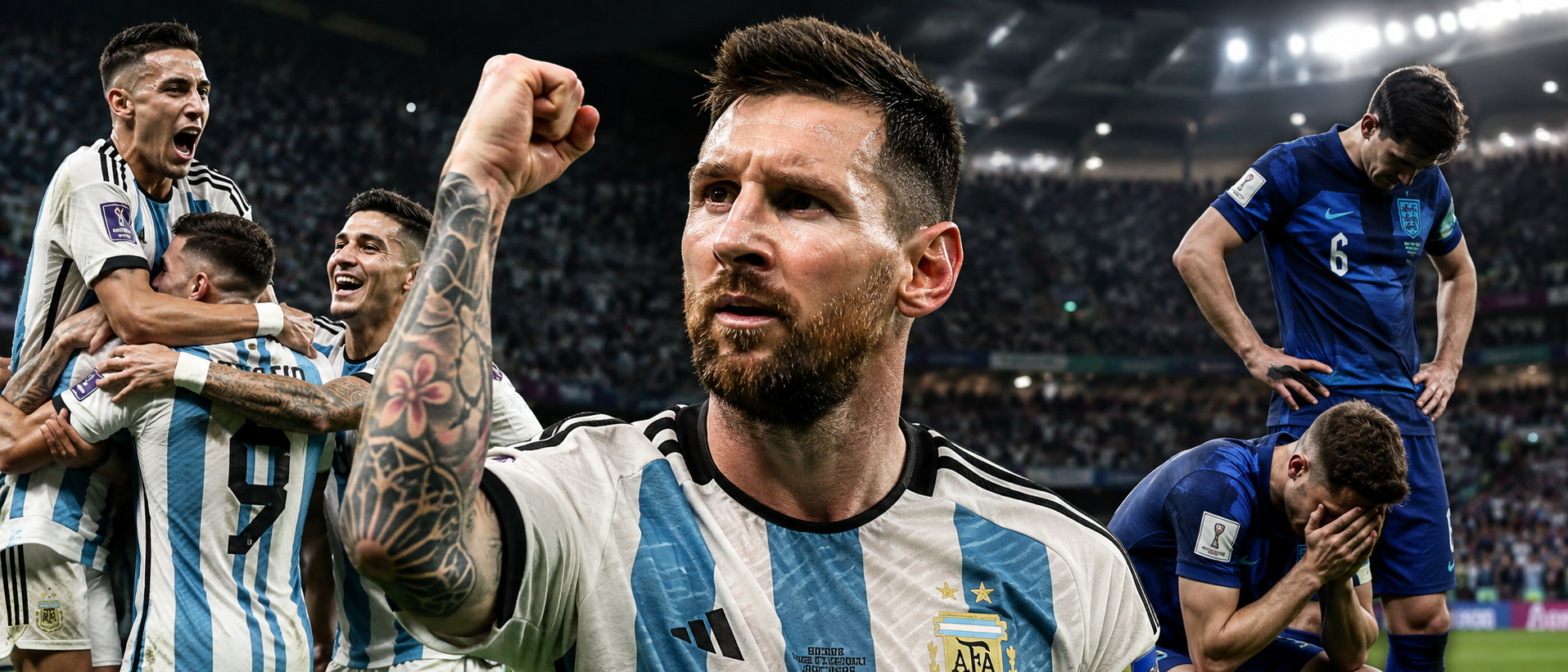
His comments came right after Argentina's dramatic 2-1 semifinal win over England, a match where the team once again showed why it never seems to know when it's beaten. Trailing 1-0 deep into the second half, Argentina found a way to flip the result in the final minutes, sealing their spot in the World Cup final and setting off massive celebrations back home in Buenos Aires, where fans poured into the streets in pure joy.
This wasn't the first time Argentina clawed their way out of trouble this tournament. Earlier wins over Cape Verde and Switzerland both needed extra time, and their match against Egypt was even more dramatic — Argentina came back from a 2-0 hole with just 11 minutes left on the clock to somehow win 3-2. It's exactly this pattern of late heroics that has stirred up controversy, with some rival coaches suggesting the results weren't entirely fair.
Coaches Cry Foul Over Officiating
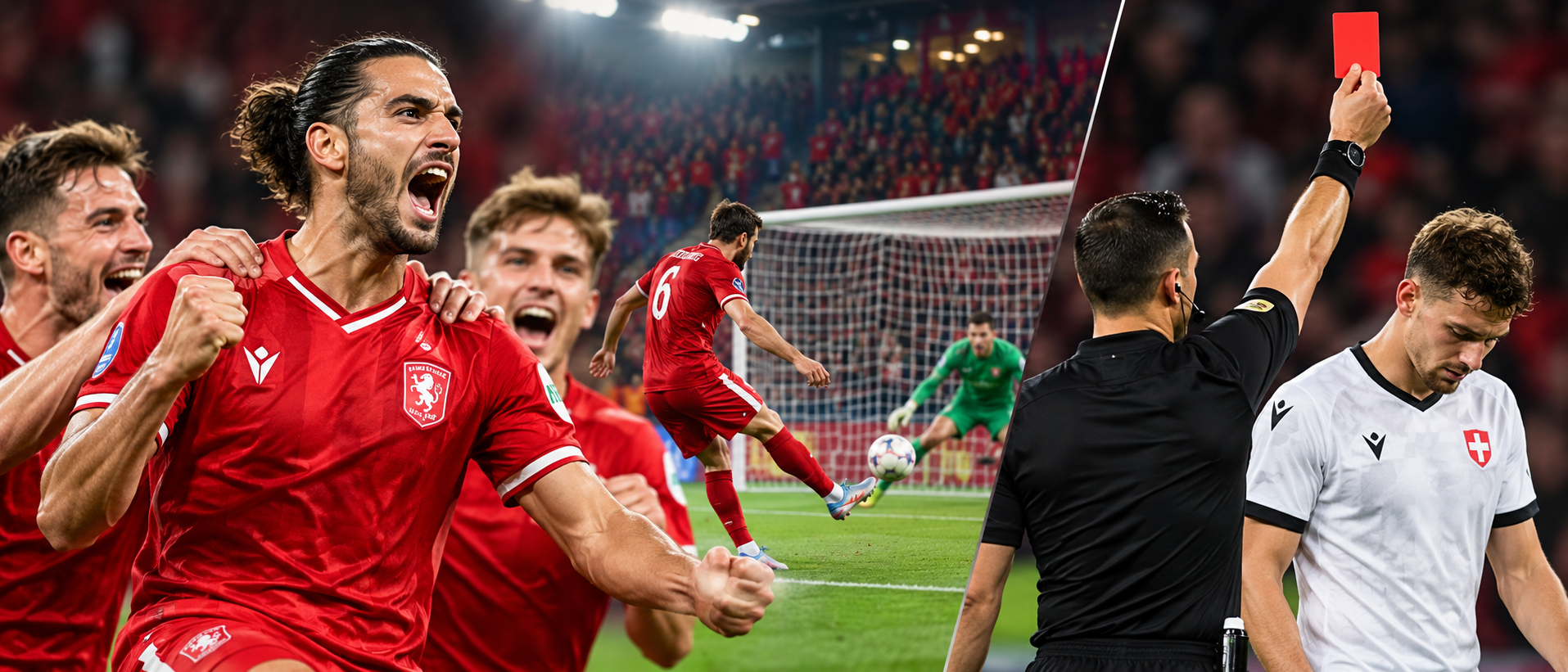
Switzerland's manager didn't hold back after his team's extra-time exit. The turning point came when Switzerland levelled the score in the 67th minute, only for an Argentine player to draw a yellow card on a challenge shortly after — a card that, combined with an earlier caution, forced Switzerland's opponent off the pitch and down to ten men for the remainder of the game. Replays appeared to show the Swiss player going down before real contact was made, which only added fuel to the fire. The Swiss coach called the decision unacceptable and said his players didn't deserve to go out that way, describing them as the true heroes of the match despite the loss.
Egypt's manager went even further after his team's exit, openly claiming that the tournament's power structure was tilted in Messi's and Argentina's favour. Egypt's football federation echoed that frustration publicly, saying it could not stay quiet about what it viewed as questionable officiating during the game.
For much of the tournament, Argentina's camp stayed silent on the accusations. Head coach Lionel Scaloni had previously brushed off questions about the controversy, suggesting reporters spend less time scrolling through social media. But that restraint disappeared after the England match.
Messi and Teammates Answer the Critics
Messi didn't mince words once the final whistle blew against England. He pointed out that Argentina has proven itself as one of the two best teams on the planet over the last four years, regardless of what outsiders think or say. According to him, reaching back-to-back World Cup finals isn't luck — it's the product of consistent excellence, and he made clear that critics would have had plenty to say had Argentina lost, but the team simply didn't give them that opportunity.
Midfielder Enzo Fernández added his own statement on the pitch. After scoring the equalizer against England, he cupped his hands around his ears and then mimicked a talking motion with his fingers — a clear message aimed at the doubters. Speaking afterwards, the Chelsea player admitted the celebration reflected a mix of excitement and built-up frustration from weeks of criticism.
Scaloni also addressed the controversy directly for the first time, acknowledging that accusations of Argentina getting "help" from officials will probably never fully go away. He noted that with VAR now in place, any real bias would have to be extremely obvious to slip through unnoticed, and he maintained that his team received no such advantage on their way to the final.
Argentina will now face Spain in Sunday's championship match, chasing a second consecutive World Cup title and hoping to silence the critics once and for all with one final performance on the biggest stage.