 5 months Ago
A Squeeze From All Sides
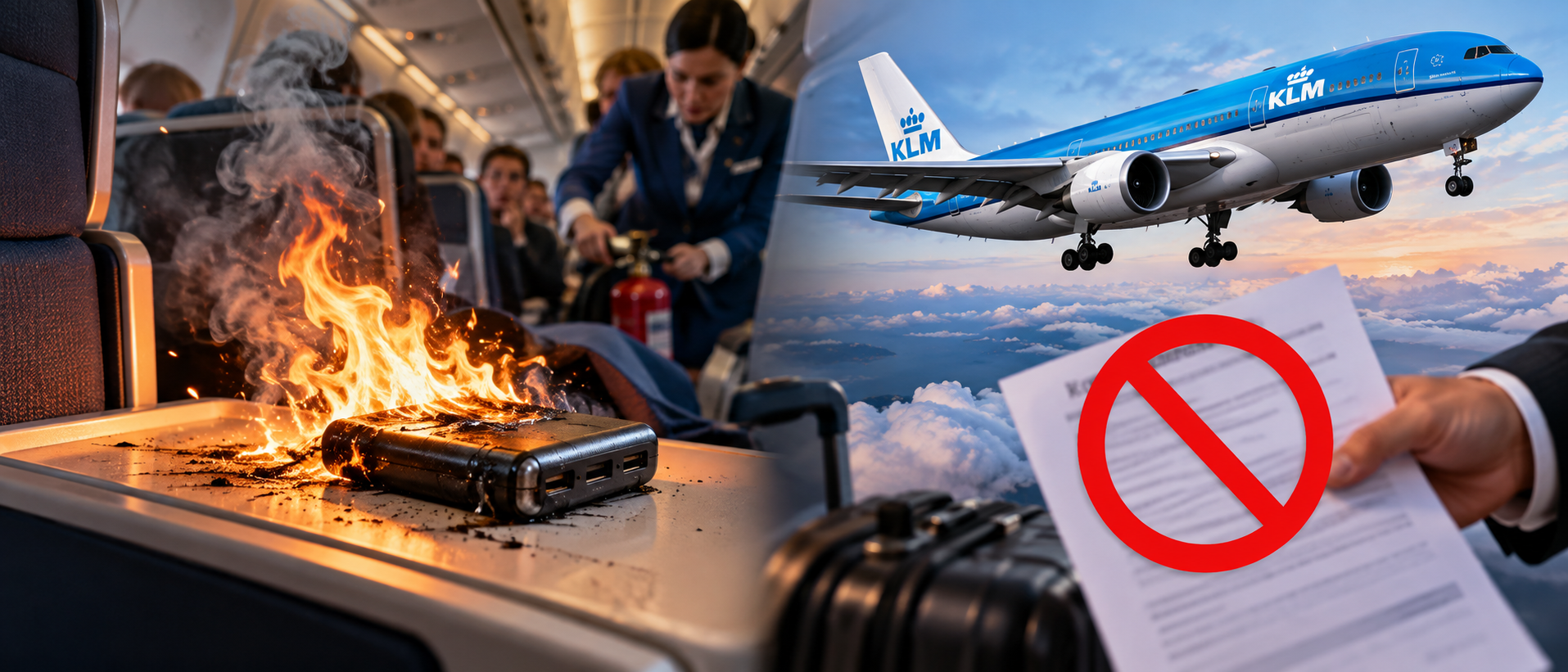
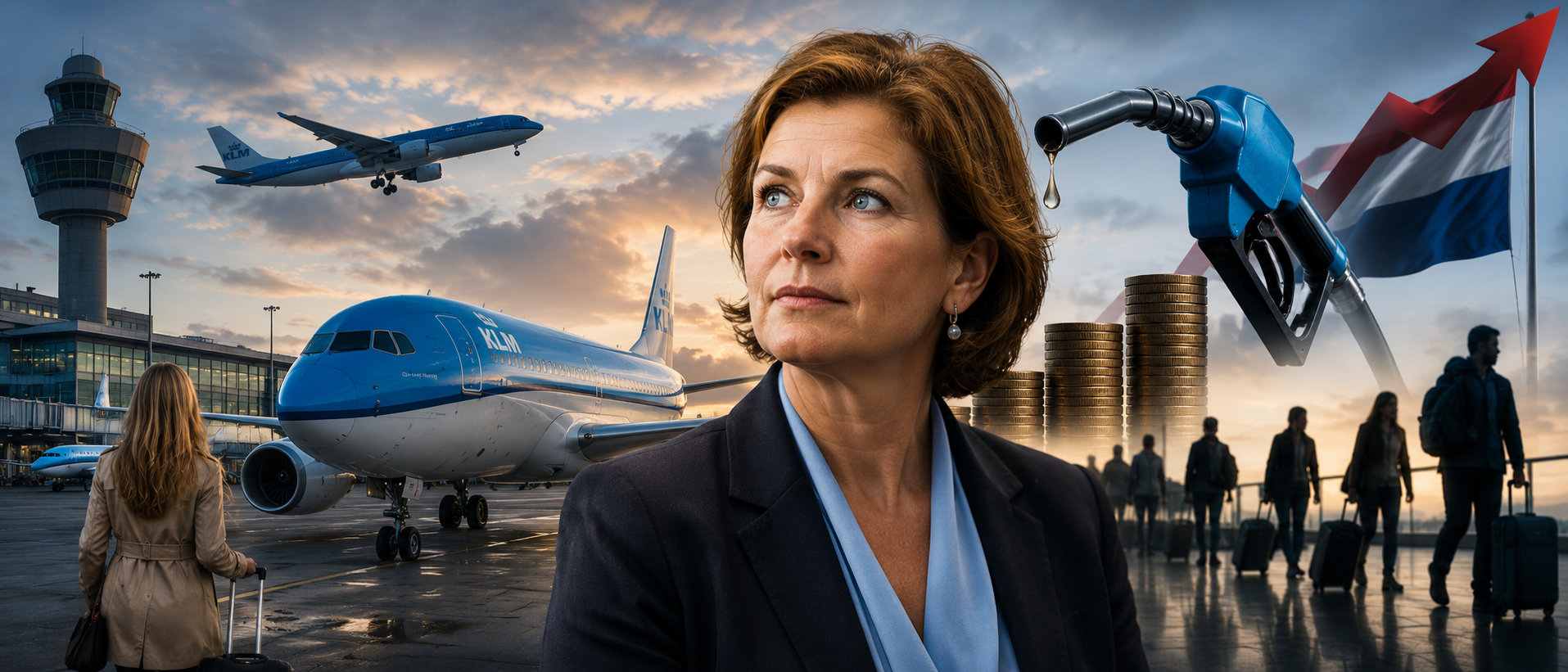
KLM president and CEO Marjan Rintel, who was recently reappointed for another term, has been candid about where things stand. The airline is already rolling out temporary cost-cutting measures to stabilize its finances, with a target of maintaining a steady 8 percent gross margin over the next four years. That figure, she says, is not arbitrary — it's the minimum needed to keep KLM operating as a full network airline, a status the Dutch government itself recognized as economically important in its latest coalition agreement.
The fuel situation is making that target harder to hit. "This year, we have been hit hard by the fuel prices; therefore, we must temporarily take extra measures to lower our expenses quickly," Rintel said, adding that the duration of instability in the Middle East remains an open and worrying question.
On top of rising kerosene costs, a new Dutch flight tax is set to take effect on January 1. Under the new structure, passengers will face a charge of 48 euros on medium-haul flights and 72 euros on long-haul routes. For a family traveling to Morocco, Rintel pointed out, the total tax burden could quickly exceed 190 euros. "Then the trip to Germany or Belgium is quickly made. That's what keeps me awake," she said.
The Border Bleed Problem
The concern isn't just theoretical. Data from Düsseldorf Airport already shows a noticeable uptick in Dutch passengers crossing the border to fly from Germany — and that was even as overall traffic at the German airport declined. The pattern signals exactly what Rintel fears: Dutch travelers quietly shifting to foreign airports where the cost of departure is simply lower.
Rintel is calling on the Netherlands to bring its tax rates in line with Germany or at least the European average. She pointed to Belgium's roughly 10-euro levy as a politically realistic benchmark. "Everyone has trouble with the expensive kerosene, but we also need a level playing field on the flight tax," she said.
Some have suggested that KLM could compensate for losing local passengers by leaning more heavily on international transfer traffic through Schiphol. Rintel pushed back firmly. "It does not work like that. We also need the Dutch passenger; otherwise, our network thins because we cannot maintain destinations. That leads to less income, which again leads to fewer investments." The dependency runs deeper than it might appear on the surface.
The airline has not been sitting still. KLM announced job cuts in early 2025 and has already trimmed around 250 non-operational roles through its "Back on Track" cost-saving program, with efforts underway to avoid forced layoffs where possible. Rintel is also consulting staff on long-term strategy, describing employee involvement as a natural part of navigating the road ahead.
She remains cautiously optimistic that the fuel crunch is temporary, but is keeping options open. If the kerosene crisis stretches into the latter part of the year, she suggested that slot rule waivers could allow KLM to consolidate certain flights. For now, though, the focus is on getting through a strong summer before making harder calls. "We are ourselves responsible for keeping our own pants up and for reducing our costs," she said. "But because of the unequal playing field, we compete with an arm tied behind our back."