 5 months Ago
How Algorithms Shape What You Think
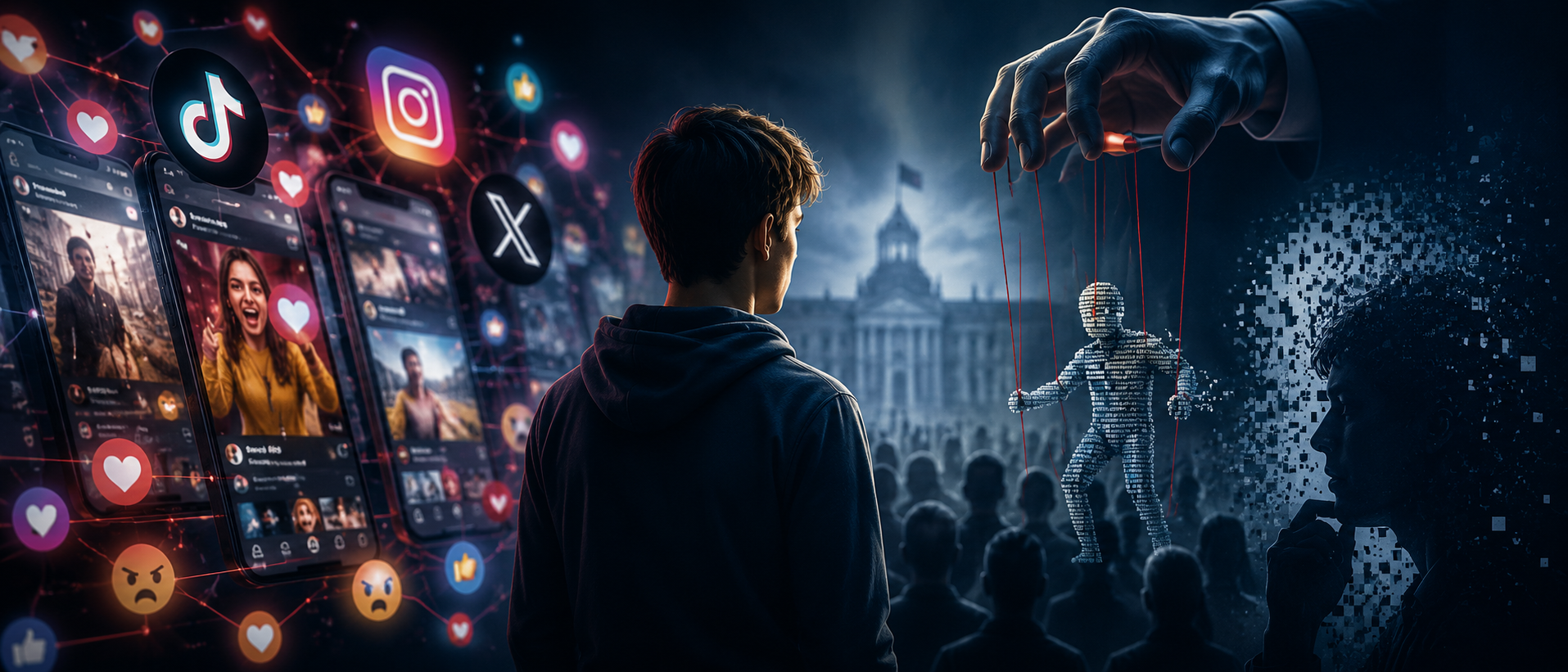
At the heart of the problem are the algorithms that quietly decide what content appears in your feed. Platforms like TikTok, Instagram, and X have become primary news sources for a growing number of people — particularly younger generations — yet the logic behind what they show you has little to do with accuracy or balance.
These companies have a clear financial motive to promote content that grabs attention. Sensational, controversial, and emotionally charged posts perform better, and so the algorithm favors them — regardless of whether they are actually true. On top of that, platforms sometimes quietly limit the reach of certain posts or creators through a practice known as shadowbanning, where content is technically published but shown to far fewer people. Neither the creator nor the audience is told this is happening.
Users, meanwhile, have very little say in any of it. Most people scroll through feeds they did not design and cannot meaningfully control, absorbing a curated version of reality shaped entirely by corporate interests.
A Threat That Goes Beyond Screen Time
The CvdM did not mince words in its findings. Social media feeds, it concluded, represent a measurable risk to democracy itself. When algorithms consistently serve people content that matches their existing views, it reinforces echo chambers and widens social divisions. Over time, this contributes to polarization, makes society harder to unite, and opens the door to large-scale opinion manipulation.
There is another layer to this problem. These same systems can amplify extremist voices and misleading information, eroding trust in reliable journalism. The growing volume of AI-generated content is making this challenge even harder to manage.
The CvdM is calling on policymakers to take action. It pointed out that European legislation already provides a meaningful framework for making social media feeds healthier and more balanced — but that framework needs to be properly implemented and enforced. The report is intended as a push toward better regulation and oversight, to protect every citizen's right to access trustworthy information and form their own genuinely independent opinions.