 6 months Ago
The Numbers Tell a Clear Story
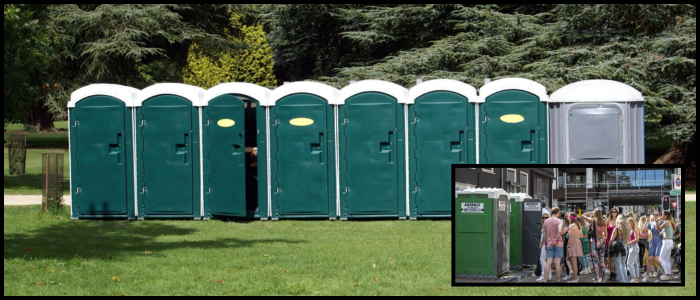
The issue gained significant attention after the 2025 Canal Parade, where data revealed that men had access to 588 public urination points compared to just 210 for women — nearly three times as many. That gap isn't just about numbers. Women typically take around twice as long in the bathroom, yet facilities continue to favour men. On top of that, women are frequently charged several euros to use toilets at busy events like King's Day, while male urinals are generally free and scattered across the city. For elderly visitors and people with disabilities, the situation is even harder. The Volt party, which submitted written questions to the city council on the matter, argues that this imbalance is likely to continue for the foreseeable future. Parties, including the PvdA and D66, have also repeatedly pushed for fairer distribution of public toilet access.
What Amsterdam Plans to Do
The city is not entirely standing still. During Pride events — including the upcoming WorldPride 2026 — Amsterdam plans to trial women's urinals as a way to reduce queue times and improve flow. A handful of parks are also set to receive permanent women-friendly toilet facilities. Still, a major change is not on the horizon. Van der Horst was direct: "On peak event days, we've reached the practical and spatial limits of how many toilets we can place in the city." More toilets have been added at events over the past few years, but the room to scale up further simply does not exist. Currently, only some public toilets are marked with street signage, and many residents rely on apps like HogeNood to locate nearby facilities — a workaround that highlights just how patchy the system remains. The original push to install public urinals across Dutch cities was aimed at reducing men urinating in public spaces, but that solution unintentionally created an uneven system that women are still paying the price for, sometimes literally.