 6 months Ago
Numbers Stubbornly Flat, Bumblebees Still Struggling
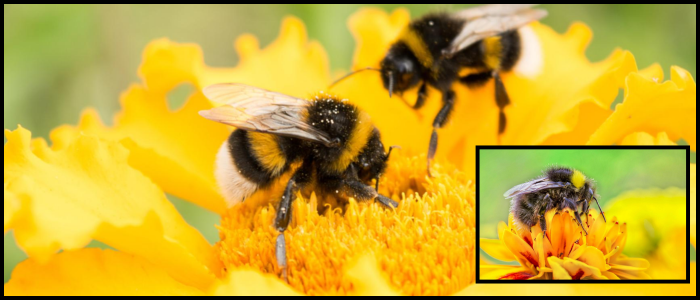
The count ran from April 16 to 20, and participants recorded an average of 21 pollinators per half hour — barely any change from last year's average of 22. While that near-stability might seem neutral on the surface, the persistent scarcity of bumblebees tells a more troubling story. Mason bees once again topped the charts as the most frequently spotted species, while multiple bumblebee varieties continued to lag far behind.
The longer-term data make the scale of the problem hard to ignore. Since 2018, bumblebee populations in the Netherlands have fallen by 40 percent. Organisers of the count attribute part of this to the disappearance of specific plants that bumblebees depend on. Unlike smaller bee species, bumblebees have long tongues and larger bodies, meaning they rely on particular flowering herbs — ground ivy, lungwort, and comfrey among them. These plants are becoming increasingly rare in Dutch gardens, quietly removing a vital food source that bumblebees cannot easily replace.
Why Gardens and Weather Are Making Things Worse
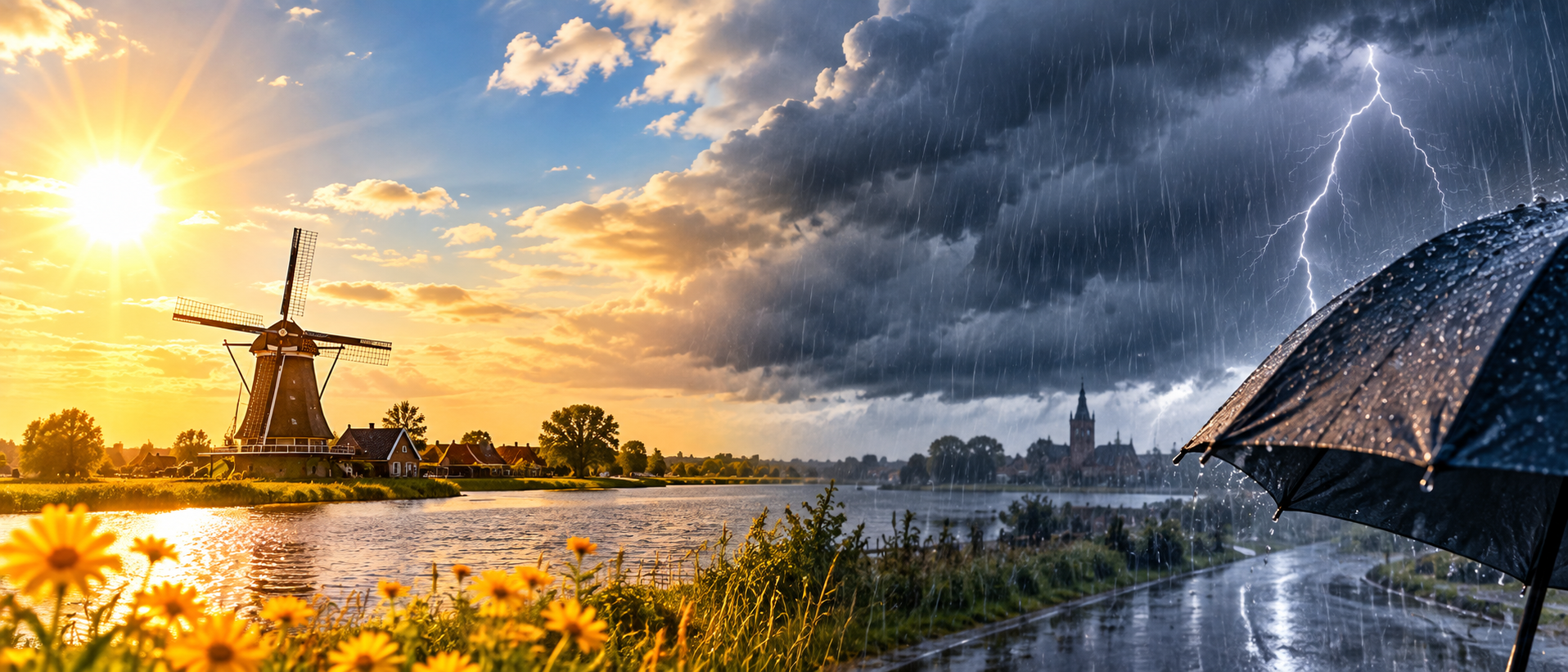
Beyond plant loss, two other factors are compounding the problem. Cold and wet spring conditions have made it harder for bumblebee queens to successfully establish new nests. When temperatures drop and rain persists early in the season, foraging activity slows, and food becomes scarcer, reducing the chances that a queen will survive long enough to build a thriving colony.
The changing face of the modern garden is also playing a role. Increasingly paved outdoor spaces leave less room for the continuous supply of flowering plants that bumblebees need throughout the entire season. A garden dominated by tiles and concrete offers little to a species that depends on a steady, varied bloom from spring through to autumn. The National Bee Count, coordinated by Naturalis, LandschappenNL, and IVN Natuureducatie, serves as an annual reminder that what people choose to grow or pave over — in their own backyards has a very real impact on the wildlife around them.