

 6 months Ago
Diminishing Worry and Political Prospects
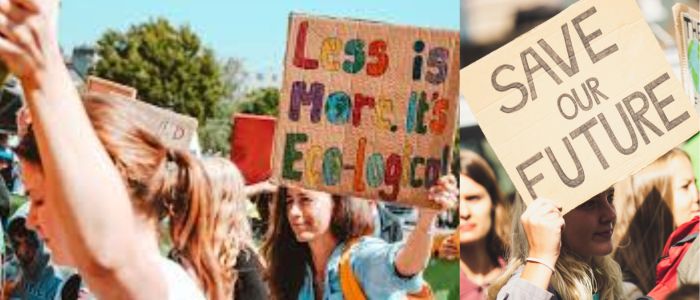
The new results suggest that climate concern has bottomed out to its lowest level since 2019. And 42 percent of the Dutch say the government should do more, a decline from 47 percent two years ago. And 18- to 24-year-olds backed more government action at a rate of 61 percent in 2023, compared with just over 54 percent now. The decline is also apparent among the 25-to-34-year-old demographic, falling from 54 percent to 48 percent.
Many young people say they are more focused on immediate concerns like school, work and finances.
Problems such as housing and migration are more pressing to them, and global events like the Ukraine and Gaza conflicts or world politics overshadow the climate crisis in their daily considerations.
Experiences of Powerlessness and Structural Impediments
A lot of young people feel they are not able to do anything about climate,' researcher Maartje van Will said. They do not think it will matter what they do unless companies and governments change. About half of the Dutch also agree with this. Young people also have difficulty not overconsuming even if they disapprove of it.
Another challenge is cost, with three in 10 people saying that they cannot afford to maintain a sustainable lifestyle because sustainable products are too expensive.
This leads to pessimism. But many are also confused and overwhelmed. Overall 51 per cent of the public express anxiety for what the future may hold for the next generation, a figure that is higher still among 18 to 24-year-olds at 59 per cent, and among 25 to 34-year olds at 63 percent.
Changing Consciousness and Political Psychology
Although the research was carried out before the collapse of the government, it might help to shape political agendas. Younger voters are especially keen on government-driven change. Notably, even among VVD voters, there are more people who now prefer that the government take more serious action on climate than in 2023.
There is also a growing appreciation that personal behavior influences the climate. Only 20 percent of young people think that what they do doesn’t make a difference — that’s down from 38 percent two years ago. Sixty percent of young people know that meat production is bad for the environment, versus 41 percent of the general population. They also tend to be more likely to report adopting sustainable behaviours like flying less, buying fewer clothes and improving home insulation.
The findings reveal a nuanced picture of awareness, of frustration and of a will to see change — particularly among younger generations that feels the weight of the climate crisis but also feels challenged to act on it.


