 1 year Ago
Silvia Hellingman, a pest control expert, says an increase is weather-dependent. "They can be underground for years and years, just biding their time," she said. The cool and wet conditions of last summer, combined with a warm spring, provided the perfect conditions for it to re-emerge.
Prompt Nests Extermination
"What I see in the streets now is explosive," Theo Kleijer of the municipality said, "I've never experienced anything like this. The caterpillars' high season runs through the end of July and officials are on the case. "All those nests need to be removed as soon as possible, but certainly within three weeks," Kleijer said. But that's no easy feat, he acknowledges, because past tactics have failed to completely eliminate the pest.
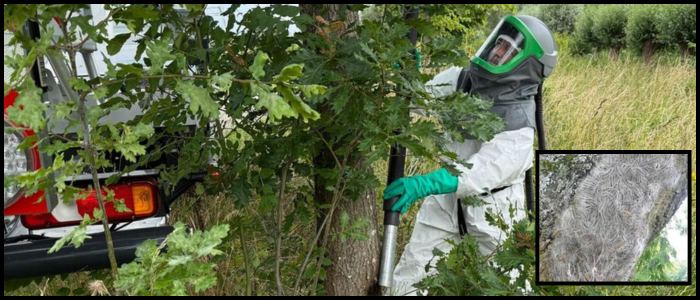
Now Nieuwegein is experimenting with an alternative: A bait made for male caterpillars and a vacuum system of sorts. Workers in hazmat gear scale trees to take the nests down by hand. The municipality is optimistic that this approach will put a better frame around the infestation and provide a means to make prevention better in the future.
A Relentless Threat With No Simple Cure
Each caterpillar is covered with some 700,000 tiny hairs which can quickly dislodge and lead to health problems. The hairs are barbed and difficult to pull on the skin. Nieuwegein is not alone (outbreaks have been reported in Flevoland and Gelderland) and Kleijer admits that it may never eliminate the caterpillar entirely. "The whole thing is designed to prevent a bona fide plague," he said, but "it may be that we are going to have to learn to live with it."