 10 months Ago
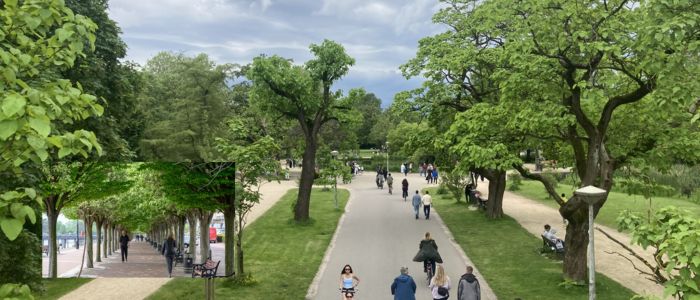
Van de Velde’s team surveyed 69 species of tree, and they discovered that on hot days, even when direct sunlight can drive temperatures above 50°C, the shade under a tree can reduce that by as much as 30°C.
Passive Cooling Via Shade and Evaporation
The study suggests that trees cool cities in several different ways. In addition to shading, trees cool by releasing moisture through photosynthesis, which can reduce summer temperatures from 2.6 to 4 degrees C, while structures reduce heat more efficiently due to airflow between buildings and the ecosystem.
Van de Velde added that knowing the cooling performance of the different tree species can assist urban planners in designing more climate-resilient areas.
“This provides an opportunity to design cities more thoughtfully in the context of a changing climate,” he said.
Greener Cities Supported by Climate and Policy
The significance of the trees has not escaped notice outside the scientific world. US President Donald Trump sang the praises of Dutch trees, crowing, “I saw the most beautiful trees. If anything, I’d like to take some back home with me.”
The information should help guide the development of greener, cooler cities that can be better places to live as global warming tightens its grip, researchers say.