 1 year Ago
What Happens at the Start of the Conclave?
The day begins with a mass at St. Peter's Basilica, led by Cardinal Giovanni Battista Re, 91, who also officiated Pope Francis' funeral last month. His homily is vital, as it will highlight the qualities the Church needs in a new leader.
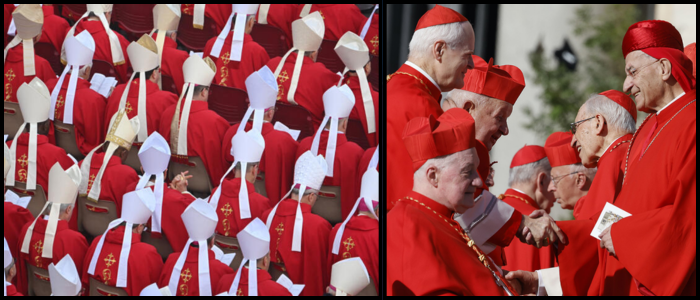
Following the mass, the cardinals proceed to the Cappella Paolina in the Apostolic Palace, where they sing "Veni Creator Spiritus" to invoke the Holy Spirit for guidance. Then, they enter the Sistine Chapel, where each cardinal takes an oath before listening to a meditation by Cardinal Raniero Cantalamessa. Afterward, the "Extra Omnes" is played, signaling that only those eligible to vote remain. The first round of voting then takes place.
In the evening, around 7:00 PM, smoke from the chimney will indicate the election's progress. White smoke signals a new pope, while black smoke means another voting round. The expectation is black smoke tonight.
How Does the Conclave Process Work?
The conclave involves 133 cardinals, all under 80 years old, and from 71 countries. They stay at the Casa Santa Marta guesthouse and its annex due to space limitations. Voting occurs four times a day: twice in the morning and twice in the afternoon. Each cardinal writes down their chosen candidate's name on a paper, which is then counted and reported twice daily.
Before the conclave, cardinals arrive in Rome, not only for the funeral but also to prepare for the election. These days are marked by discussions, meetings, and informal campaigning among the cardinals.
Why is the Conclave So Secret?
The conclave's secrecy is a protective measure to avoid outside interference, particularly from governments or influential figures. It is considered a sacred process, where the Holy Spirit guides the cardinals' decision. Maintaining unity within the Church is also critical, as any disagreements during the conclave must not be disclosed to the public.
When Will a New Pope Be Elected?
A new pope is elected when a cardinal receives at least two-thirds of the votes, which is 89 votes in this case. Previous elections in 2013 and 2005 resulted in a pope being elected within two days.
Once the new pope is chosen, the bells of St. Peter's ring, and white smoke rises from the Sistine Chapel chimney. The Vatican newspaper, Osservatore Romano, publishes a special edition, and the cardinals sing the Te Deum Laudamus to thank God. The announcement of the new pope is made from the balcony of St. Peter's in Latin, with the first words, "Annuntio vobis gaudium magnum, habemus papam," meaning "I announce to you good news, we have a pope."
Who Are the Contenders for the Papacy?
Unlike previous papal elections, where main contenders were well-known, the current election is less predictable. The election of Pope Francis was a surprise, and the same could happen now. Francis' reforms have resulted in a more diverse college of cardinals, with an increased representation from Asia and Africa. As the Catholic population grows rapidly in these regions, it's not impossible for the next pope to come from these continents.
Currently, there are no standout candidates, but the evolving trends in global Catholicism may influence the outcome of the election, potentially leading to an Asian pope in the future.
Stay informed with DutchNews – your go-to source for the latest updates from the Netherlands and around the globe, covering trends, politics, tech, health, sports, entertainment, and more!