 4 months Ago
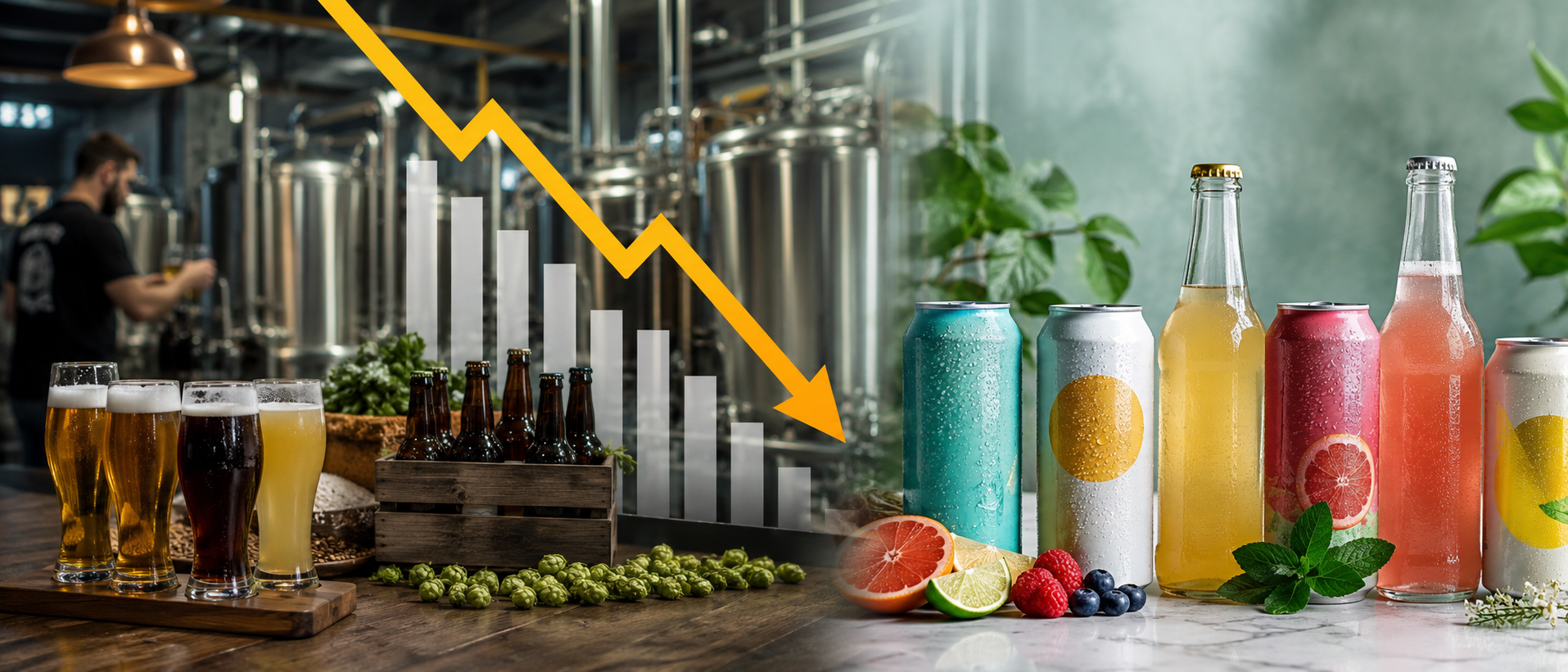
The numbers tell a clear story. Beer sales in the Netherlands dropped 3.4 percent in 2024 compared to the year before, according to the Association of Dutch Brewers. And that decline continued into 2025. At the same time, alcohol-free beer is quietly surging — sales of alcohol-free pilsner climbed 13 percent, while speciality alcohol-free beer jumped by 27 percent. Add to this the fact that nearly 40 Dutch breweries have shut down over the past two years, and the pressure on the industry becomes hard to ignore.
Breweries Pivot to New Products
Amsterdam-based Oedipus Brewing, now under Heineken's ownership since 2023, is one of the more prominent examples of this pivot. The brewery, known for fan-favorite beers like Mannenliefde and Gaia, has launched a soft drink line called Club Canette and is actively working to grow its distribution. According to Oedipus director Frederik van Droffelaar, this move isn't a sign of desperation. "We do not have to do this because things are going badly, but we are working on the future," he said.
Beer market analyst Francois Sonneville has been watching this shift unfold over decades. He points out that about 25 years ago, the same large breweries were doing the opposite — shedding non-core businesses to double down on beer and push into emerging markets. That strategy worked well for a long time. Then the COVID-19 pandemic hit, beer consumption fell sharply, and even though there was a partial recovery, the downward trend never fully reversed. Higher government taxes on alcohol have made things worse, pushing prices up and nudging consumers toward cheaper or healthier alternatives. "We have become more aware of the health effects of alcohol," Sonneville noted, pointing to health consciousness as another key factor.
The diversification isn't limited to the Netherlands. Belgian brewery Duvel Moortgat launched Vedett Energy earlier this year, and brewer Omer Vander Ghinste introduced a lemonade brand called Gutlings in 2025. Industry association CRAFT, which represents around 170 independent Dutch breweries, confirms that many of its members are now exploring alcohol-free beer and soft drinks as new revenue streams.
Not Every Experiment Succeeds
Expanding into soft drinks is easier said than done, though. Two notable attempts in the Netherlands ended in retreat. Lowlander, a brewery based in Amsterdam, launched its Botanical Sodas line in 2022 but pulled the products in 2024. The reason? Brand confusion. A spokesperson for the company explained that consumers no longer knew what Lowlander stood for — was it a beer brand, a low-alcohol brand, or a soda maker? The lack of clarity hurt the business, and the company chose to refocus on its no- and low-alcohol beer range. Bavaria, based in Lieshout, faced a similar outcome when it discontinued its FreeBrew soft drink line, introduced in 2024.
For smaller independent breweries, the challenge is even more pronounced. CRAFT manager Jitze Vellenga acknowledged that limited space and tight budgets make diversification difficult for many members, even when the intention is there.
Still, momentum seems to be building. With health trends, taxation pressures, and demand for novelty all pointing in the same direction, the question for many breweries is no longer whether to diversify — but how to do it without losing what made them recognizable in the first place.