 1 year Ago
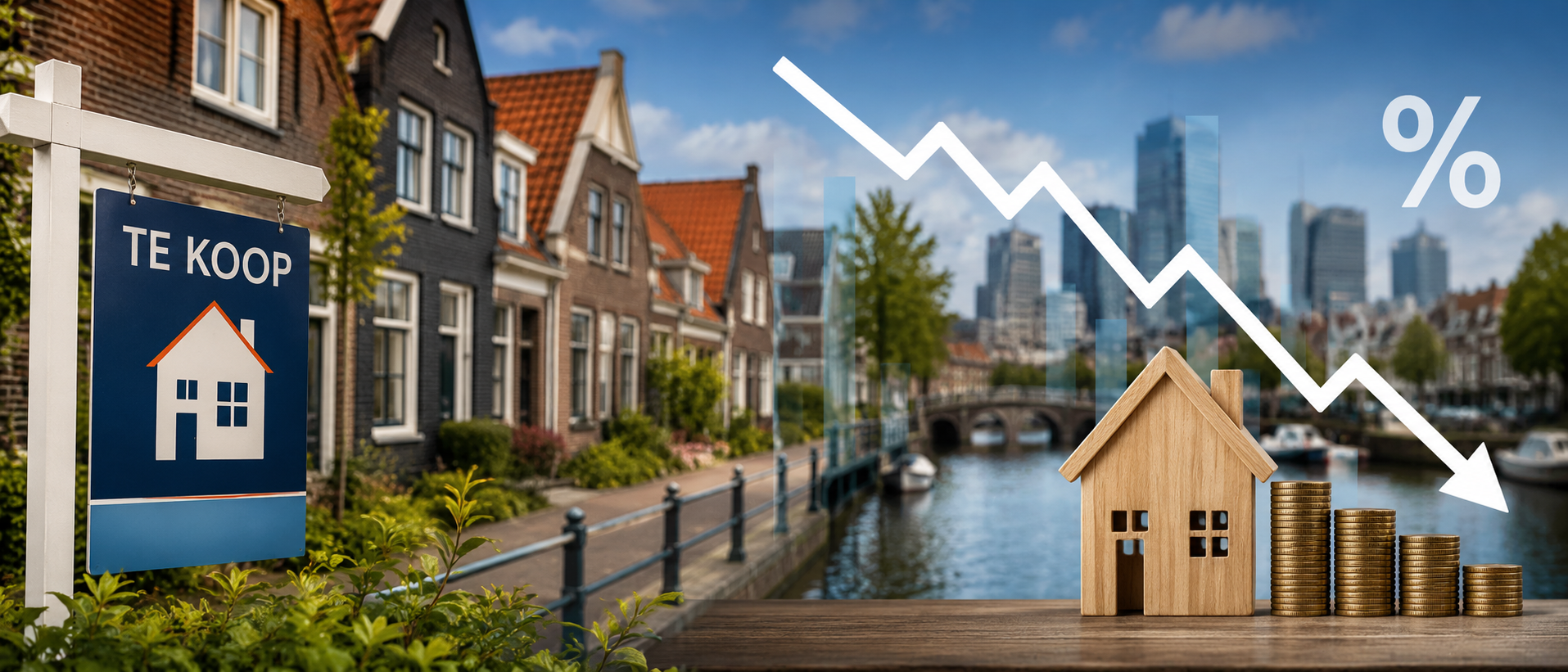
Former Rentals Drive Price Drops
The decline in asking prices is largely a product of smaller, cheaper former rental homes being sold. The properties had been rent-stabilized since the previous July.
So landlords are selling, increasing supply in the housing market. During the second quarter, homes that sold went for about 5 percent above asking prices, on average. But nearly half of the homes sold following a price reduction did in fact sell for less than the listing price.
All in all, 22.2 percent of homes sold for less than their list price.
The number of homes for sale also went up, as there were 21 percent more homes listed than in the same period in 2019. This surge should be temporary, however, as many of the rental units coming onto the market right now are tied to leases that will soon expire.
With temporary letting agreements banned from 1 July 2024, the supply of listings in this category is projected to reduce by mid-2026.
Market Movement Still Limited
Around 1.8 million households expect to move within the next two years, according to the latest housing survey data from the Ministry of Housing. Of those, some 500,000 own a home they intend to sell. But such homes are not yet apparent on the market.
A lot of homeowners are reluctant to put their house on the market until they know where they'll go next. This indeterminacy results in a second-order deadlock where everyone has to wait on each other.
One idea is to streamline the flow of the market and allow owners to say that their home is "open for interest" (so long as they are able to name a target price) with a preferred sale timeline, and not having it mean you have to wipe the slate clean and start again, and acknowledging it's somewhat painful to sell with so little form left in the market.
Such a method could stimulate early exposure between buyers and sellers and perhaps help break the current logjam in the housing market.