 1 year Ago
The analysis, conducted by Laagland Archeologie, Het Oversticht, and Tot op het Bot, involved advanced forensic techniques to estimate age, gender, and cause of death. Though no evidence of foul play was found, the case has been referred to the police for further review. One 80-year-old nun showed signs of a skull injury, likely from a fall, and several others had healed fractures.
Institutional Legacy and Forgotten Cemetery
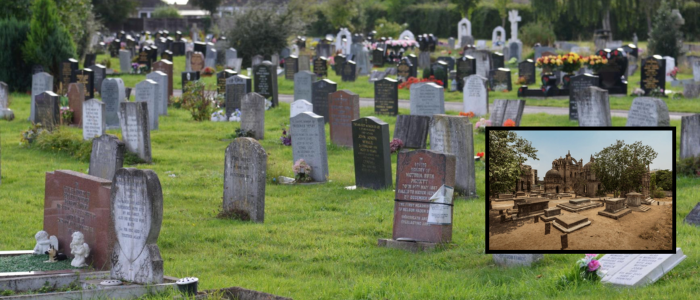
The convent in Almelo was part of a broader network of five Dutch institutions run by the Catholic order, which housed girls labeled as having behavioral or social issues. Many were subjected to forced labor in laundries and workshops, practices previously endorsed by the Dutch government. The cemetery remained largely forgotten for decades, with wooden coffins, rosaries, and wooden crosses marking the graves.
No evidence was found of babies or small children being buried there, nor were any graves located beyond the known boundaries. However, 35 of the 124 individuals remain unidentified in terms of age, and some graves and remains listed in the congregation's registry were missing, possibly due to prior reburials and construction work in the 1980s and 1990s.
A notable historical find included a German soldier buried there during World War II. His remains were moved in 1948, and the grave was reused in 1956. During this latest investigation, his successor's remains — a 68-year-old Nearly a year and a half after a forgotten convent cemetery was uncovered in Almelo, authorities have identified the remains of 124 individuals, most of them girls and young women once housed at a controversial institution run by the Sisters of the Good Shepherd. The full report is set to be released Wednesday, but preliminary findings confirm the fears of many survivors about the hidden history of the site.
woman — were found and cataloged.
Ongoing Acknowledgment and Apology
In recent years, both the Church and Dutch government have acknowledged past abuses at institutions like Almelo. A monument in Velp honors the victims, and the Almelo investigation has added weight to long-standing calls for greater transparency and justice.
The physical investigation took place under strict sterile conditions in a gymnasium on Vriezenveenseweg, where researchers wore full protective gear to examine remains and collect DNA. Despite some remains having been relocated or lost in earlier years, the current findings shed important light on the hidden history of the institution and its former residents.
Stay informed with Dutchnews – your go-to source for global news, trends, and updates across tech, health, politics, and more. Trusted stories, delivered fresh. Explore more on Dutchnews!