 1 year Ago
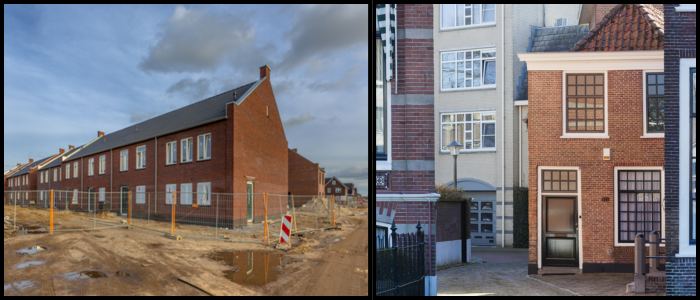
The Dutch Environmental Design researcher Andy van den Dobbelsteen, also an expert on climate and construction, said Dutch building regulations are usually 15 years behind so newly built homes are not suited to the warming conditions of today. Insulation and a large number of windows, which can help in winter, have made homes too uncomfortable in the summer. The Netherlands should build more like the south of Europe, with thicker walls and smaller windows to keep heat out of our living rooms, van den Dobbelsteen says.
Millions at risk of indoor overheating
According to research by Investico, some 10m people in the Netherlands inhabit houses that are prone to overheating. While the outdoor temperatures may have dropped, the inside is still stifling, especially the living room and bedroom.
"There is still too much of a focus in Dutch construction on winter," said Lisanne Corpel, a researcher of climate-proof cities. Things like having large windows and poor ventilation increase the risk of summer heat for residents, she said. These design defects can lead people to long-term overheating, and tenants are rarely involved in structural improvements.
Choices are few when it comes to cooling, particularly for renters
Although homeowners can also add sunscreens or ventilation systems to control indoor temperatures, those options are generally not available to renters. Structural alterations typically need permission from the landlord, and it's not always given, or a landlord may not want to pay for it. Corpel pointed to the increasing dichotomy between property owners and renters, with the latter tending to simply tough out the sweltering conditions.
Indoor heat can be dangerous Experts warn that continued indoor heat exposure can be dangerous. In such conditions, long-term exposure to high temperatures, especially at night, can lead to fatigue, sleep disturbances or more serious health conditions, warned the governor-general of Canada. "Cooling is life-saving, especially at night," she said, "and without cooling, health symptoms stop being warning signals and start being problems."